Yudanaka Onsen Guide
The station town, closer to the trains and easier on the budget.

On this page
Introduction
Yudanaka Onsen is a hot spring town at the end of the railway line in the mountains of Nagano Prefecture, the last stop before the snow monkeys. Yudanaka Station, the terminus of the Nagano Dentetsu railway, is where nearly every visitor arriving by public transport first sets foot in the Yamanouchi area, and the town that surrounds it has served as a gateway to the region's hot springs and mountain trails for centuries.
Compared to its smaller, more atmospheric neighbor Shibu Onsen, Yudanaka is the practical choice. The train station is here. The bus connections are here. The range of accommodation is broader, the prices are generally more accessible, and the town has a handful of restaurants and shops that operate independently of the ryokan. For travelers who want a comfortable base with direct rail access, a hot spring bath at the end of the day, and a straightforward route to the snow monkeys the next morning, Yudanaka delivers all of that without fuss.
But Yudanaka is more than a transit point. It is a genuine onsen town with its own bathing history, its own public baths, and a quiet, unhurried character that rewards visitors who take time to walk its streets rather than simply pass through. This guide covers everything you need to know about staying here: what to expect, how it compares to Shibu Onsen, and how to use it as your base for visiting Jigokudani Monkey Park.
Quick Facts About Yudanaka Onsen
Location: Yamanouchi, Shimotakai District, Nagano Prefecture, Japan
Hot spring history: Over 1,350 years
Railway access: Yudanaka Station, terminus of the Nagano Dentetsu line
Distance to Jigokudani Monkey Park trailhead: Approximately 4 km / 2.5 miles by road (10–15 minutes by bus or taxi)
Distance to Shibu Onsen: Approximately 2 km / 1.2 miles (5 minutes by bus, 25 minutes on foot)
Distance from Tokyo: Approximately 250 km / 155 miles (around 3 hours by shinkansen and local train)
Accommodation type: Traditional ryokan and modern hotels; most ryokan rates include dinner and breakfast
Best season: Year-round; winter (December–March) is peak season for snow monkey visits
History of Yudanaka Onsen
Yudanaka's hot springs are believed to have been discovered in 680 AD by the Buddhist monk Chisho, making this one of the older documented onsen sites in the Nagano highlands. The name Yudanaka itself, written with characters meaning "hot water" and "field," reflects the prevalence of thermal water in the area, where mineral-rich springs bubble up across the valley floor.
During the Edo period (1603–1868), Yudanaka grew as a post town and bathing stop along routes connecting the lowlands of Nagano with the mountain interior. Travelers, merchants, and pilgrims used the hot springs as a place to rest and recover, and the ryokan that began serving them laid the foundation for the hospitality culture that continues today. The arrival of the Nagano Dentetsu railway in the early twentieth century cemented Yudanaka's role as the primary access point for the Yamanouchi area, connecting it directly to Nagano city and, from there, to the rest of Japan's rail network.
Unlike some onsen towns that were heavily developed during Japan's postwar tourism boom, Yudanaka underwent modest modernization. A few larger hotels were built alongside the traditional ryokan, and the area around the station gained some contemporary infrastructure, but the town never lost its low-key, residential character. It remains a working community where onsen culture is part of daily life, not a staged attraction.
Atmosphere of the Town
Yudanaka has a different feel from Shibu Onsen, and understanding the contrast helps set the right expectations. Where Shibu is compact, atmospheric, and almost entirely traditional in its architecture, Yudanaka is more spread out, more mixed in character, and more oriented toward day-to-day function.
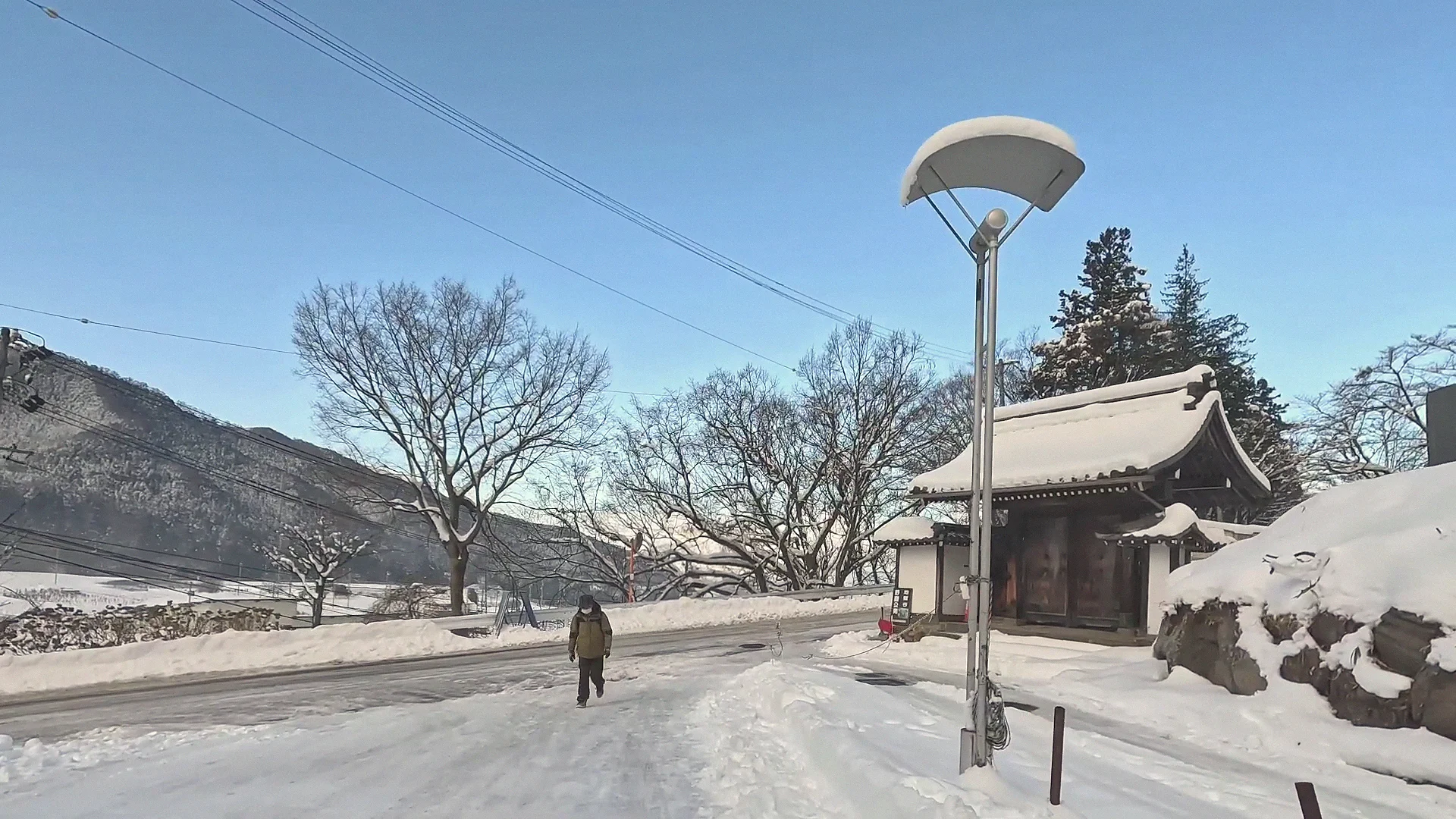
Yudanaka is quieter than Shibu, and flatter.
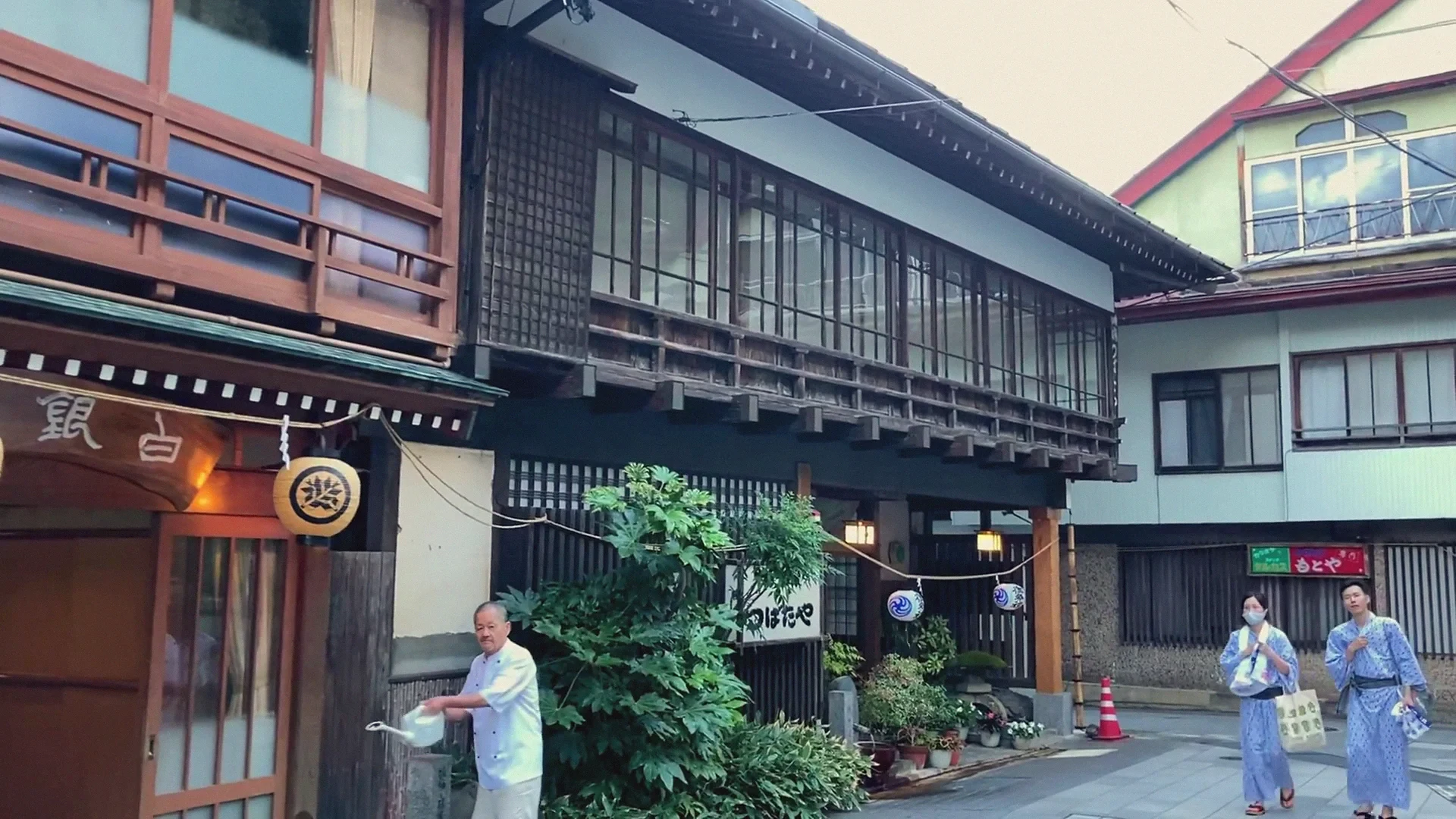
The streets around the station include a few restaurants, a small number of shops, and some modern buildings alongside older wooden structures. Moving away from the station toward the river and the residential quarters, the town grows quieter and more traditional. Some ryokan are tucked along narrow side streets that feel closer to Shibu's atmosphere, while others occupy larger, more modern buildings with updated interiors. The overall impression is of a small Japanese mountain town that happens to have excellent hot springs, not a preserved heritage village, but a genuine, lived-in place.
There is no neon. There are no tourist crowds except during the busiest winter weekends. A walk through Yudanaka on a winter evening, with steam rising from drains and the occasional guest in a yukata heading to or from a bath, has its own quiet appeal. It is not as visually striking as Shibu Onsen's lantern-lit stone lanes, but it is comfortable, unpretentious, and convenient.
Yudanaka as the Transportation Hub for the Snow Monkey Park
Yudanaka Station is the terminus of the Nagano Dentetsu railway and the final rail stop for visitors traveling to Jigokudani Monkey Park. Every visitor arriving from Tokyo, Nagano, or elsewhere by train passes through this station. That makes Yudanaka the natural logistical anchor for the snow monkey region.
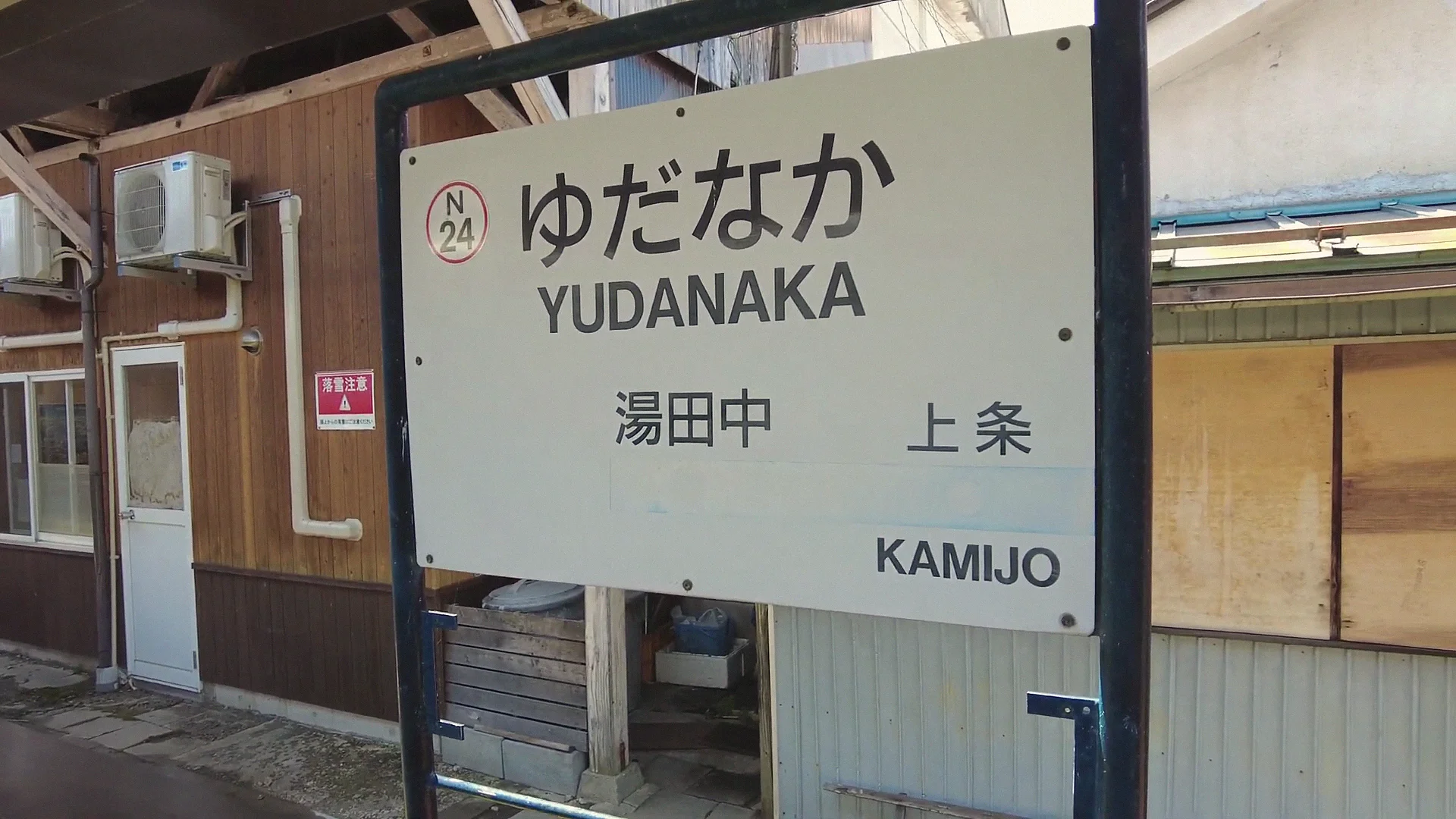
Every route to the monkeys funnels through here.
From the station, local buses run to the Kanbayashi Onsen bus stop near the monkey park trailhead. Taxis are usually available outside the station as well. Several ryokan in both Yudanaka and nearby Shibu Onsen offer complimentary pickup from the station, which simplifies arrival considerably. Confirm this when you book.
For day-trippers arriving from Tokyo or Nagano, Yudanaka Station is the point where the rail journey ends and the final bus-and-walk segment begins. For overnight visitors, it is the arrival point from which you are transferred to your accommodation, whether that is a ryokan in Yudanaka itself or a shuttle ride to Shibu Onsen 2 km (1.2 miles) up the road. Either way, Yudanaka is where the transition from train travel to mountain onsen life happens.
How Close Yudanaka Onsen Is to Jigokudani Monkey Park
Yudanaka Onsen sits approximately 4 km (2.5 miles) by road from the Jigokudani Monkey Park trailhead near Kanbayashi Onsen. By bus, the ride takes 10–15 minutes. By taxi, roughly 10 minutes at a cost of around ¥1,500 (about $10 USD). From the trailhead, the forest walk to the park is an additional 1.6 km / 1 mile (25–35 minutes on foot).
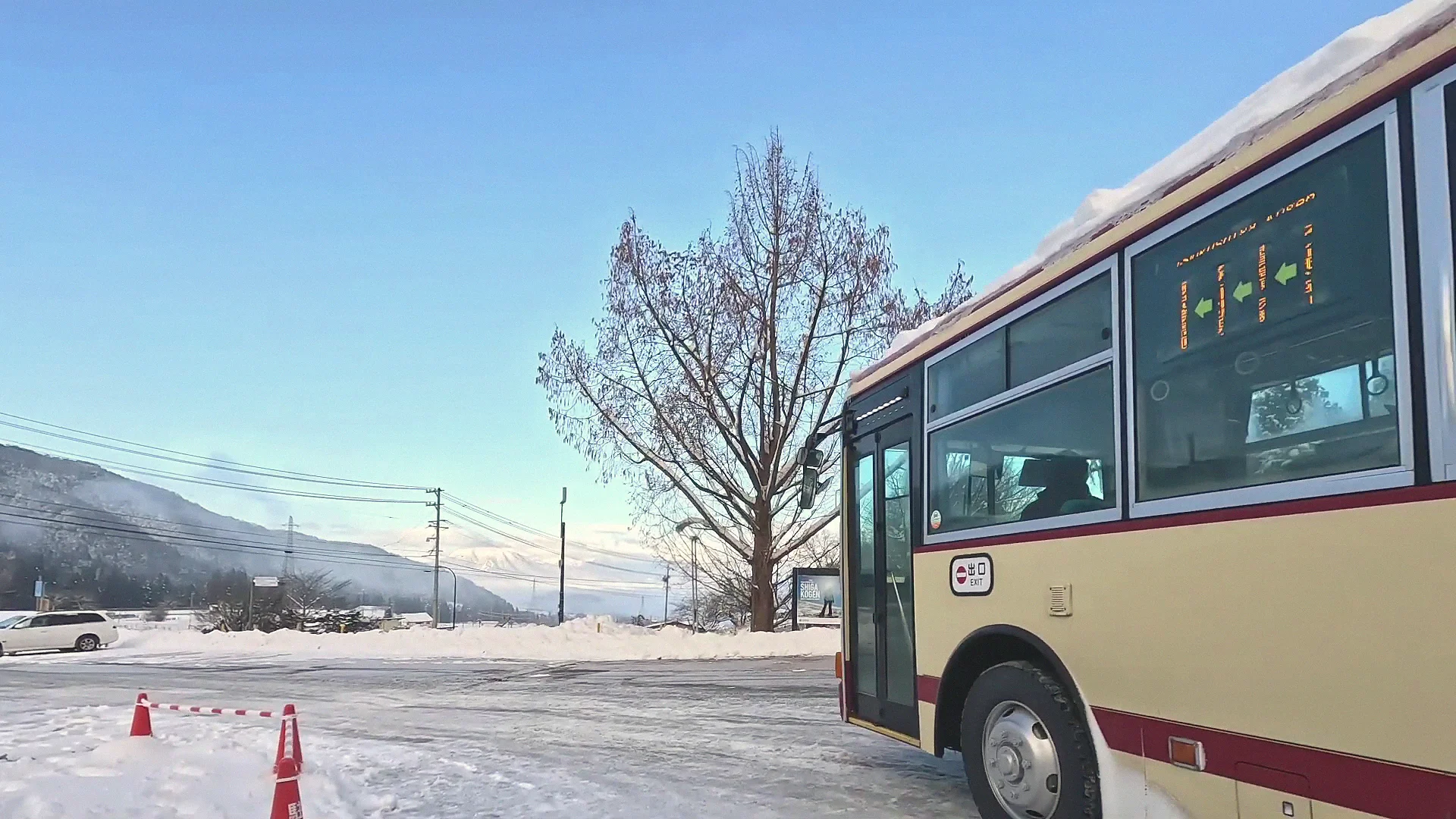
The bus to Kanbayashi takes about fifteen minutes.
This makes Yudanaka slightly farther from the park than Shibu Onsen, which is about 2 km (1.2 miles) from the trailhead. The difference is modest in practice, an extra five to ten minutes by vehicle, and is offset by the convenience of Yudanaka's direct rail access. Many ryokan in Yudanaka run shuttle services to the trailhead, particularly during winter, so the distance rarely presents a practical obstacle.
Visitors staying in Yudanaka can comfortably reach the monkey park within 30–40 minutes of leaving their ryokan, including the bus or shuttle ride and the forest walk. For an early morning visit (the best time to see the snow monkeys in winter), this means departing the ryokan shortly after breakfast or before it, depending on your priorities.
Public Baths and Onsen Culture in Yudanaka
Yudanaka has its own tradition of public hot spring bathing, though it operates differently from Shibu Onsen's famous nine-bathhouse circuit. Several public baths are scattered through the town, drawing from local spring sources with their own mineral profiles. The bathing culture here is more casual and neighborhood-oriented: these are places where residents and guests soak as part of daily routine, not as a structured pilgrimage.
Free foot baths sit out in the open, steaming.
The most prominent public bath is the foot bath (ashiyu) at Yudanaka Station itself, a free, open-air soaking pool where you can rest your feet in hot mineral water while waiting for a train or simply enjoying a pause in the day. It is a small thing, but it sets the tone for the town's relationship with its hot springs: practical, accessible, woven into the everyday rather than reserved for special occasions.
Most ryokan in Yudanaka have their own private onsen baths, and the quality of these in-house facilities is one of the main reasons to stay here. Indoor baths, outdoor rotenburo with views of the surrounding hills, and in some cases kashikiri (private-use) baths for individuals or families are all common. For visitors whose primary bathing interest is the hot spring at their inn rather than a public bathhouse circuit, Yudanaka's ryokan deliver well.
What It Is Like to Stay in a Ryokan in Yudanaka
The ryokan experience in Yudanaka follows the same broad format as elsewhere in the Yamanouchi area, with some variation depending on the size and style of the inn.
Arrival typically falls between 3:00 PM and 5:00 PM. You are greeted at the entrance, shown to your room, and served green tea with a small sweet. Rooms in traditional ryokan are tatami-floored with futon bedding laid out by staff in the evening. A low table, floor cushions, and a scroll or simple decoration in the alcove define the space. Some ryokan in Yudanaka also offer rooms with Western-style beds or a hybrid layout (tatami flooring with bed frames), which can be more comfortable for travelers unaccustomed to sleeping on futons.
Dinner at most ryokan is a multi-course kaiseki meal served in a dining room or, at smaller inns, in your room. Expect seasonal dishes drawing on Nagano's mountain cuisine: river fish, wild vegetables, tofu, pickled preparations, rice, miso soup, and frequently the prefecture's celebrated soba noodles. Breakfast the following morning is a traditional Japanese spread: grilled fish, rice, miso soup, egg, pickles, and small side dishes.
The in-house onsen is available throughout your stay, typically from the afternoon until late evening and again in the early morning before breakfast. Evening soaking after dinner and a pre-breakfast bath the next morning form the natural rhythm of a ryokan stay. If your inn has a rotenburo (outdoor bath), a soak under the stars on a cold winter night, or surrounded by falling snow, is one of the most memorable parts of staying in this region.
Where to Stay in Yudanaka Onsen
Accommodation in Yudanaka ranges more broadly than in Shibu Onsen. The town has traditional ryokan, modernized ryokan with updated rooms and facilities, and a small number of hotels and guesthouses that operate in a more familiar Western format.
At the traditional end, smaller family-run ryokan offer tatami rooms, kaiseki dinners, and private onsen facilities. Service is personal, the atmosphere is intimate, and the nightly rate typically includes two meals. These inns vary in age and condition, some beautifully maintained, others showing their years, so reviewing recent guest feedback before booking is worthwhile.
Mid-range and larger ryokan in Yudanaka tend to offer more modern amenities: renovated rooms, buffet-style dining options alongside kaiseki, larger communal baths, and sometimes lounges or common areas with mountain views. These are a good fit for travelers who want the onsen experience with a bit more contemporary comfort.
A few guesthouses and budget accommodations also operate in the area, some offering room-only rates without meals. These provide more flexibility for travelers who prefer to eat at local restaurants or who are watching their budget closely.
Nightly rates in Yudanaka typically range from ¥8,000 to ¥30,000 per person (roughly $55–$205 USD), depending on the style of accommodation and whether meals are included. Winter weekends and holiday periods command the highest prices. Booking in advance is essential from December through March, and advisable in any season for the most popular properties.
Yudanaka vs. Shibu Onsen: Which Should You Choose?
This is the most common accommodation question visitors face when planning a snow monkey trip, and it comes down to what you prioritize. Both towns are close to Jigokudani Monkey Park, both offer traditional ryokan with onsen bathing, and both are part of the same mountain landscape. The differences are real but not dramatic.
Choose Yudanaka if:
You want direct rail access. Yudanaka Station is the end of the Nagano Dentetsu line, and staying here eliminates the need for a bus or taxi connection between the station and your accommodation.
You prefer a broader range of accommodation. Yudanaka has more options across more price points, including modern hotels and budget guesthouses alongside traditional ryokan.
You want independent dining options. Yudanaka has a small but real selection of restaurants outside the ryokan, giving you more flexibility for meals.
You are traveling with luggage and prefer the simplest logistics. Walking from the train platform to a nearby ryokan is easier than arranging onward transport to Shibu Onsen, especially in winter.
Choose Shibu Onsen if:
Atmosphere is your top priority. Shibu's stone-paved streets, wooden ryokan, and lantern-lit lanes are significantly more atmospheric than Yudanaka's more mixed streetscape.
You want the nine-bathhouse sotoyu experience. The famous circuit of public bathhouses, accessed with a wooden key from your ryokan, is unique to Shibu Onsen and cannot be replicated in Yudanaka.
You want to be closer to the monkey park trailhead. Shibu Onsen is approximately 2 km (1.2 miles) from the trailhead; Yudanaka is 4 km (2.5 miles). The difference is small by vehicle but meaningful if you plan to walk.
You are drawn to the Spirited Away connection. The visual parallels between Shibu Onsen and the bathhouse town in Miyazaki's film are part of the village's appeal for many visitors.
Neither choice is wrong. Visitors who stay in Yudanaka and visit Shibu Onsen for an afternoon walk, or who stay in Shibu and pass through Yudanaka on arrival and departure, get the best of both. The towns are close enough that sampling both requires almost no effort.
Restaurants and Local Food in Yudanaka
Yudanaka has a modest but genuine selection of independent restaurants, which distinguishes it from Shibu Onsen where dining is almost entirely within ryokan. Options are concentrated near the station and along the main road, with a few tucked into side streets.
Soba noodles are the signature dish of Nagano Prefecture, and several restaurants in the Yudanaka area serve handmade buckwheat soba, either cold on a bamboo mat with dipping sauce (zaru soba) or in a hot broth. The quality of local soba benefits from Nagano's position as one of Japan's premier buckwheat-growing regions, and a soba lunch is one of the simplest and most satisfying meals available.
Oyaki, stuffed and grilled dumplings filled with vegetables, mushrooms, or sweet bean paste, are a Nagano mountain specialty sold at small shops and stalls. They make an excellent snack before or after a visit to the monkey park.
Other options include small izakaya-style restaurants serving grilled dishes, rice bowls, and ramen, as well as a few cafes offering coffee and light meals. The selection is limited compared to Nagano city, and most restaurants keep modest hours, but visitors who want at least one meal outside their ryokan will find enough to work with.
For travelers on ryokan meal plans (which is the majority), the independent restaurants serve primarily as lunch options or snack stops, since dinner and breakfast are provided at the inn.
How to Get to Yudanaka Onsen
Yudanaka is reached via the Nagano Dentetsu railway from Nagano Station. For a complete step-by-step guide including connections from Tokyo, see our How to Get There page.
From Tokyo
Take the Hokuriku Shinkansen from Tokyo Station to Nagano Station (80–100 minutes, covered by the Japan Rail Pass). At Nagano, transfer to the Nagano Dentetsu line to Yudanaka Station (45 minutes by limited express, 70 minutes by local train). The Nagano Dentetsu is a private line and not covered by the JR Pass; a one-way ticket costs approximately ¥1,200 (about $8 USD). Total travel time from Tokyo to Yudanaka is roughly 2 to 2.5 hours.
From Nagano
Take the Nagano Dentetsu line directly from Nagano Station to Yudanaka. The limited express (Yukemuri or Snow Monkey service) takes about 45 minutes; the local train takes around 70 minutes. Trains run several times per day, with the limited express less frequent.
Arriving at Yudanaka Station
The station is small, with a single platform, a ticket office, restrooms, and a free foot bath outside. From the station, most ryokan in Yudanaka are within a 5–10 minute walk. Ryokan in Shibu Onsen are about five minutes away by bus or prearranged shuttle, or 25 minutes on foot.
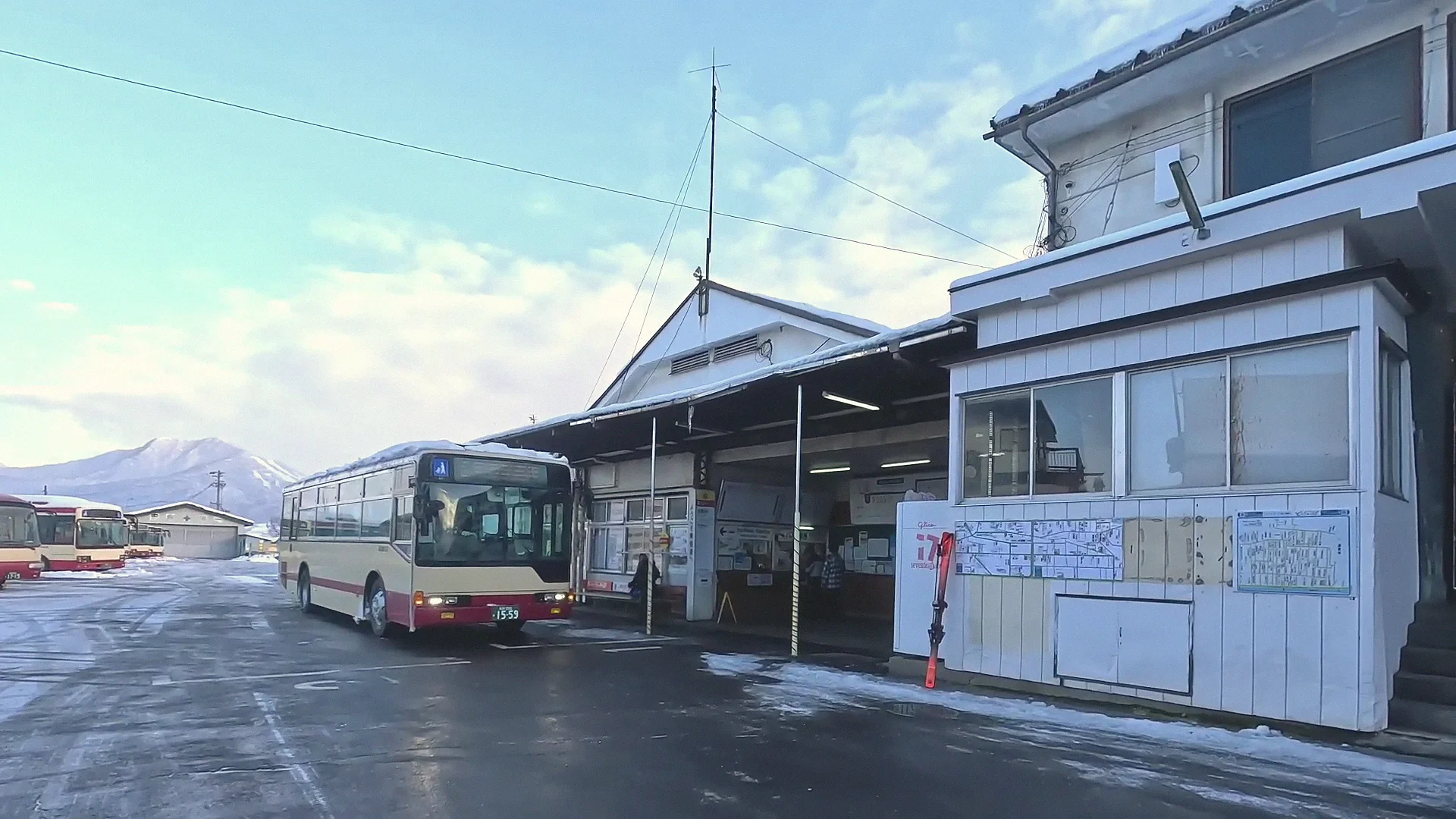
The bus stop is directly outside the station.
Best Time to Visit Yudanaka Onsen
Yudanaka is open year-round, and the experience varies by season in much the same way as the broader Yamanouchi area.
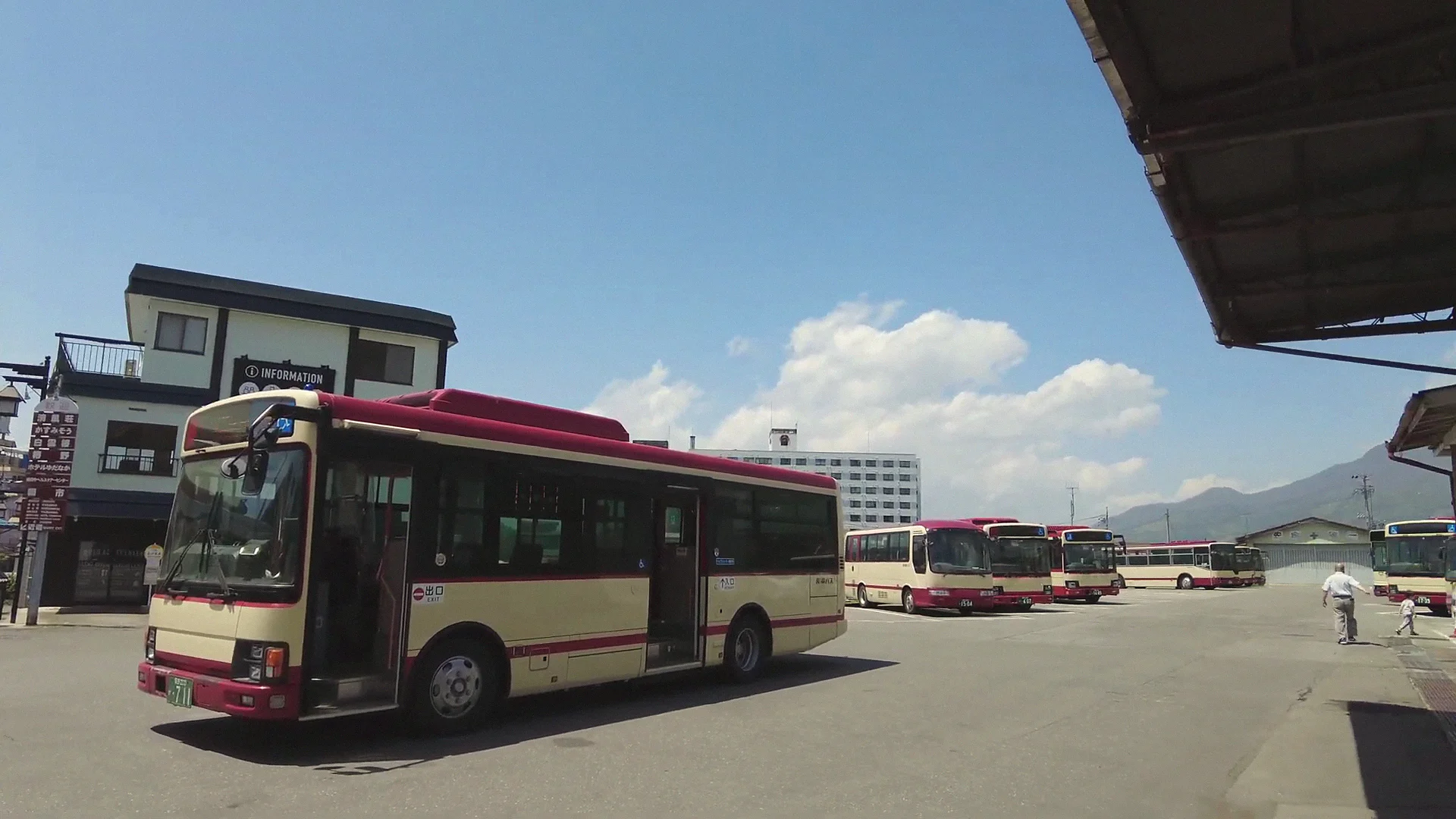
Green season is quieter and the buses are emptier.
Winter (December–March) is the peak season. Snow covers the town and the surrounding mountains, the hot spring baths are at their most inviting, and the snow monkeys at Jigokudani are most likely to be bathing in the hot spring. January and February offer the coldest temperatures and heaviest snow. This is also the busiest and most expensive period; book well in advance.
Spring (April–May) brings warmer weather, thinning crowds, and the start of baby monkey season at the park. The onsen baths remain enjoyable, and the town is quiet and easy to explore. Cherry blossoms may appear at lower elevations in the wider Nagano area during April.
Summer (June–August) is the quietest season. The surrounding mountains are green and inviting for hiking, and the town is at its most peaceful. The snow monkeys are present at the park but unlikely to bathe in the hot spring.
Autumn (September–November) offers fall foliage in the mountains, comfortable temperatures, and a gradual return of cooler weather that makes the hot springs increasingly appealing. Late October and November can be particularly pleasant.
Tips for Staying in Yudanaka
Book a ryokan with meals included. Dining options outside the ryokan are limited, especially at dinner. A stay that includes kaiseki dinner and traditional breakfast simplifies your evening and guarantees a good meal.
Ask about shuttle service. Many ryokan offer free pickup from Yudanaka Station and transport to the monkey park trailhead. Confirm this at booking; it saves time and money, especially in winter.
Carry cash. While larger ryokan accept credit cards, smaller shops, restaurants, the bus, and the monkey park entrance may be cash-only. An ATM at the post office in town is a reliable option.
Walk to Shibu Onsen. The neighboring village is about 25 minutes on foot from central Yudanaka, and the walk is easy in good weather. Visiting Shibu's atmospheric streets and seeing the sotoyu bathhouses from the outside (the first eight are reserved for Shibu ryokan guests) adds depth to your stay without needing to move accommodation.
Use the station foot bath. It is free, it is right at the station, and soaking your feet in hot mineral water after a day of walking and monkey-watching is a small pleasure that costs nothing.
Prepare for winter conditions. Streets and paths in Yudanaka can be icy from December through March. Wear boots with good traction even for short walks around town.
Allow a full evening for the ryokan experience. Check in by late afternoon, bathe before dinner, enjoy the kaiseki meal, soak again before bed. Rushing through the evening means missing the best part of staying in an onsen town.
Check return train times. The Nagano Dentetsu runs until evening, but the last train departs Yudanaka earlier than you might expect. Confirm the schedule to avoid being stranded, particularly if you are returning to Nagano for an onward shinkansen connection.
Summary
Yudanaka Onsen is the practical gateway to Japan's snow monkeys: the last train stop, the first hot spring, and a comfortable base for exploring the Yamanouchi area. It lacks the storybook atmosphere of neighboring Shibu Onsen, but it compensates with direct rail access, a wider range of accommodation and price points, independent restaurants, and an honest, unpretentious character that grows on you over the course of an evening.
For visitors who value convenience, want the flexibility of a modern hotel alongside the traditional ryokan option, or simply prefer the simplest logistics for a snow monkey trip, Yudanaka is a strong choice. Combine it with a walk to Shibu Onsen, an early morning visit to Jigokudani Monkey Park, and a soak in your ryokan's rotenburo under a winter sky, and you have the ingredients of one of the most rewarding short trips in rural Japan.
Practical information including prices, hours, and transportation schedules is subject to change. Confirm current details with your accommodation or the Yamanouchi tourism office before your visit. Information in this guide reflects conditions as of April 2026.

Verified by The Japan Onsen Society
1. 山ノ内町役場 (Yamanouchi Town official onsen list) — Municipal record: park access, walking times, climate and setting.
2. Go! NAGANO (Nagano Prefecture Tourism) — Prefectural official guide: access legs, hours, area detail.
3. 地獄谷野猿公苑【公式】 (Jigokudani Monkey Park, official) — The park's official account: opened 1964, elevation, bathing behavior, admission, conduct.
4. 長野電鉄 (Nagano Electric Railway) — Railway official: Snow Monkey Pass, fares, ticketing.
Verified July 7–16, 2026
Related guides
Where to Stay
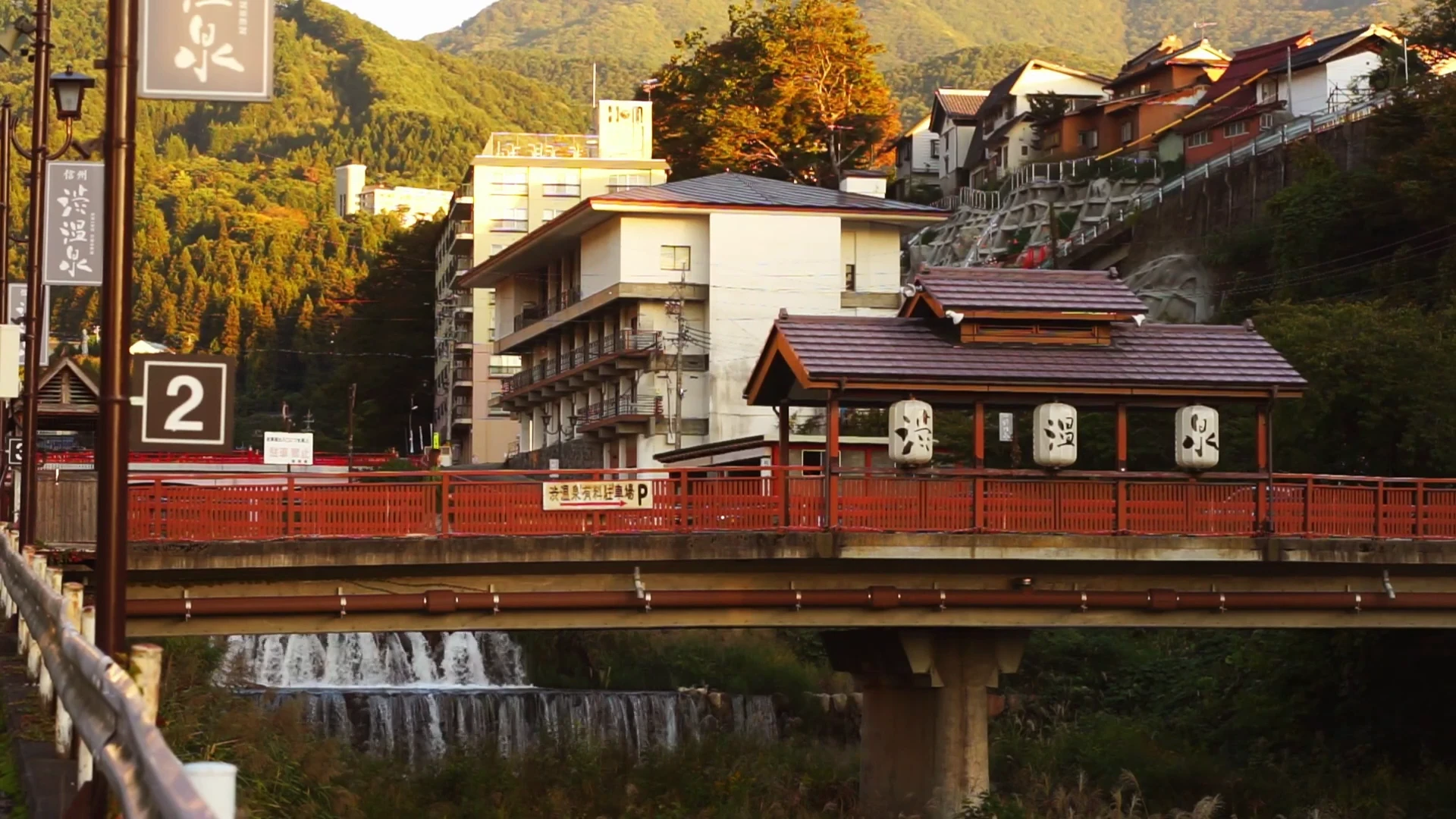
Shibu Onsen Guide
Nine public baths, wooden inns, and a stone street you walk in a yukata.
Where to Stay
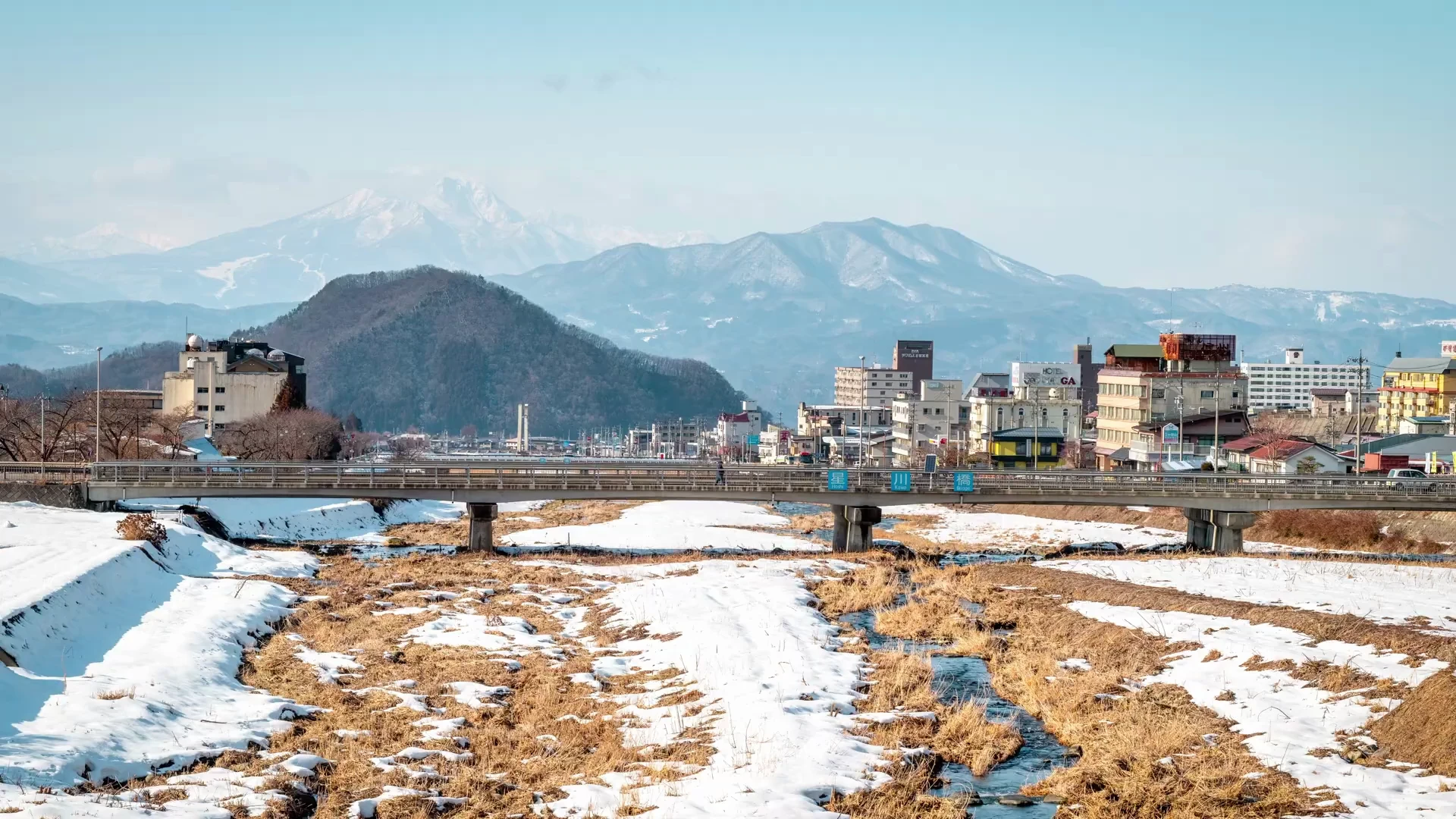
Where to Stay Near Snow Monkey Park
Shibu, Yudanaka, or Nagano city. Where to sleep, and why.
Where to Stay
Budget Ryokan
A night near the monkeys does not require a kaiseki budget. Yudanaka and Shibu Onsen have modest family-run ryokan and guesthouses where the same mineral water fills the baths at a fraction of the price.