On this page
Quick answer
January and February are the best months to see snow monkeys bathing in the hot spring at Jigokudani Monkey Park. These are the coldest months in the Nagano mountains, and cold weather is the primary driver of the monkeys' bathing behavior. December and March are also strong months, though conditions are slightly less consistent.

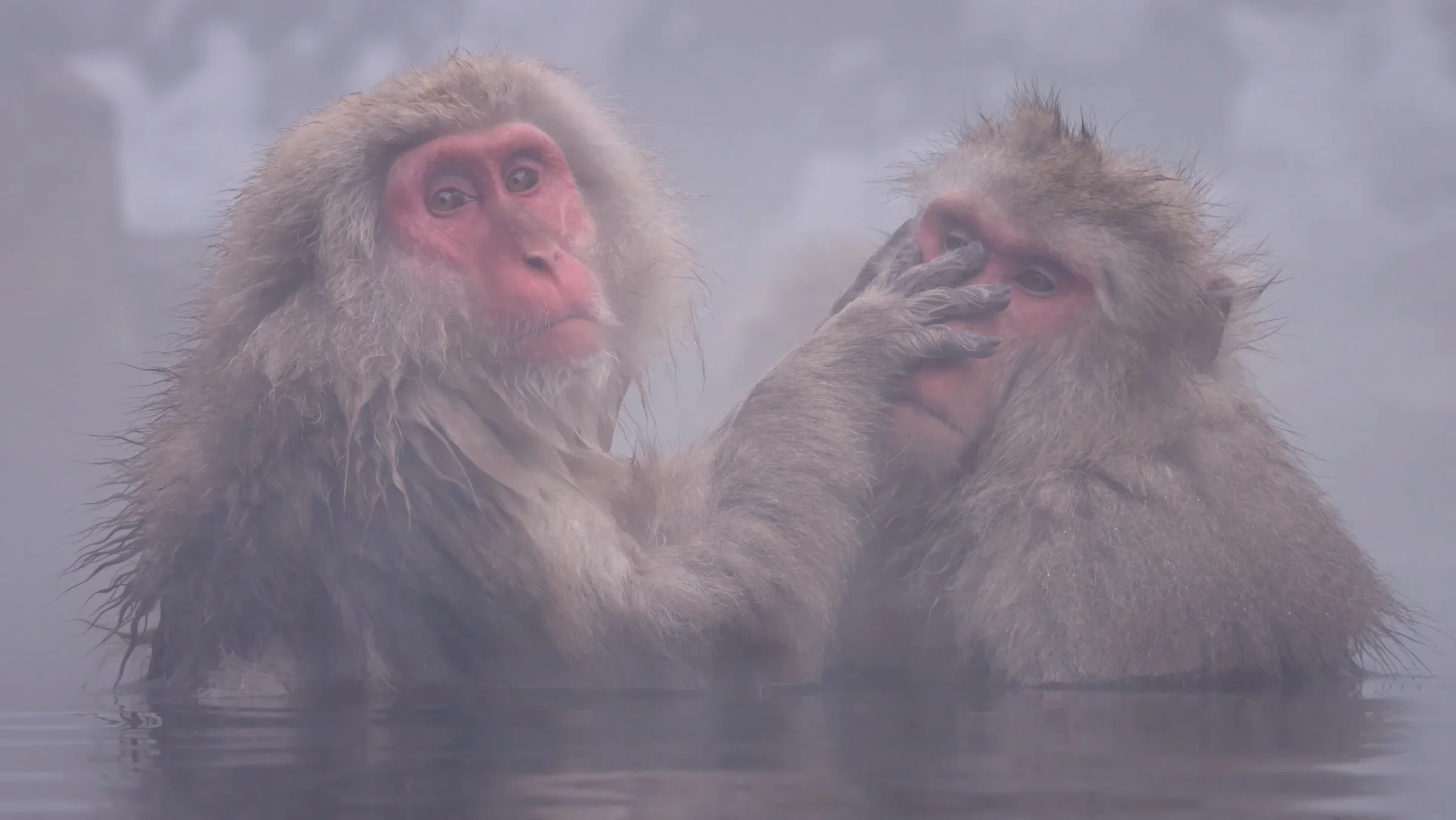
The scene people cross the world for — macaques shoulder-deep in the steaming pool, snow on the cliffs above.
Introduction
The question nearly every visitor asks before booking a trip to Jigokudani Monkey Park is a simple one: when should I go? The answer depends on what you most want to see. The iconic image, wild snow monkeys soaking in a steaming hot spring surrounded by falling snow, is a winter scene, and winter is when most visitors come. But the park is open year-round, the troop of roughly 160 Japanese macaques lives in the area in every season, and each time of year offers a different experience worth understanding before you commit to dates.
This guide breaks down the snow monkey seasons month by month, explains when the monkeys are most likely to be in the hot spring, and covers the practical factors (weather, crowds, photography conditions, baby monkey season) that should shape your planning. Whether you are building a winter trip around the classic bathing scene or considering a quieter visit in spring or autumn, the information here will help you choose the right time.
Winter (December–March): The Classic Snow Monkey Experience
Winter is the reason Jigokudani is famous. This is the season that produces the photographs you have seen: red-faced macaques submerged to their shoulders in steaming water, snow settling on their fur, clouds of vapor rising into frigid air. If this is the image that brought the snow monkeys to your attention, winter is when you need to visit.

The scene common among macaques, grooming one another.
The monkeys bathe in the hot spring because the warm water provides genuine physical comfort during cold weather. It is not a performance or a trained behavior. It is a practical response to temperature that the Jigokudani troop has passed down through generations since the 1960s. The colder the air, the more frequently they enter the pool, and the longer they stay. On bitterly cold days in January or February, it is common to see a dozen or more macaques in the water at once, with others huddled on the surrounding rocks waiting for their turn.
Snow coverage in the valley is most reliable from late December through late February. January typically brings the deepest accumulation and the coldest sustained temperatures, with daytime highs often remaining below minus 5°C (23°F) and overnight lows reaching minus 15°C (5°F) or lower. February is similar, with heavy snowfall continuing through most of the month. By March, conditions begin to moderate. Snow still falls and cold snaps remain possible, but warm days become more frequent and the snowpack starts to thin.
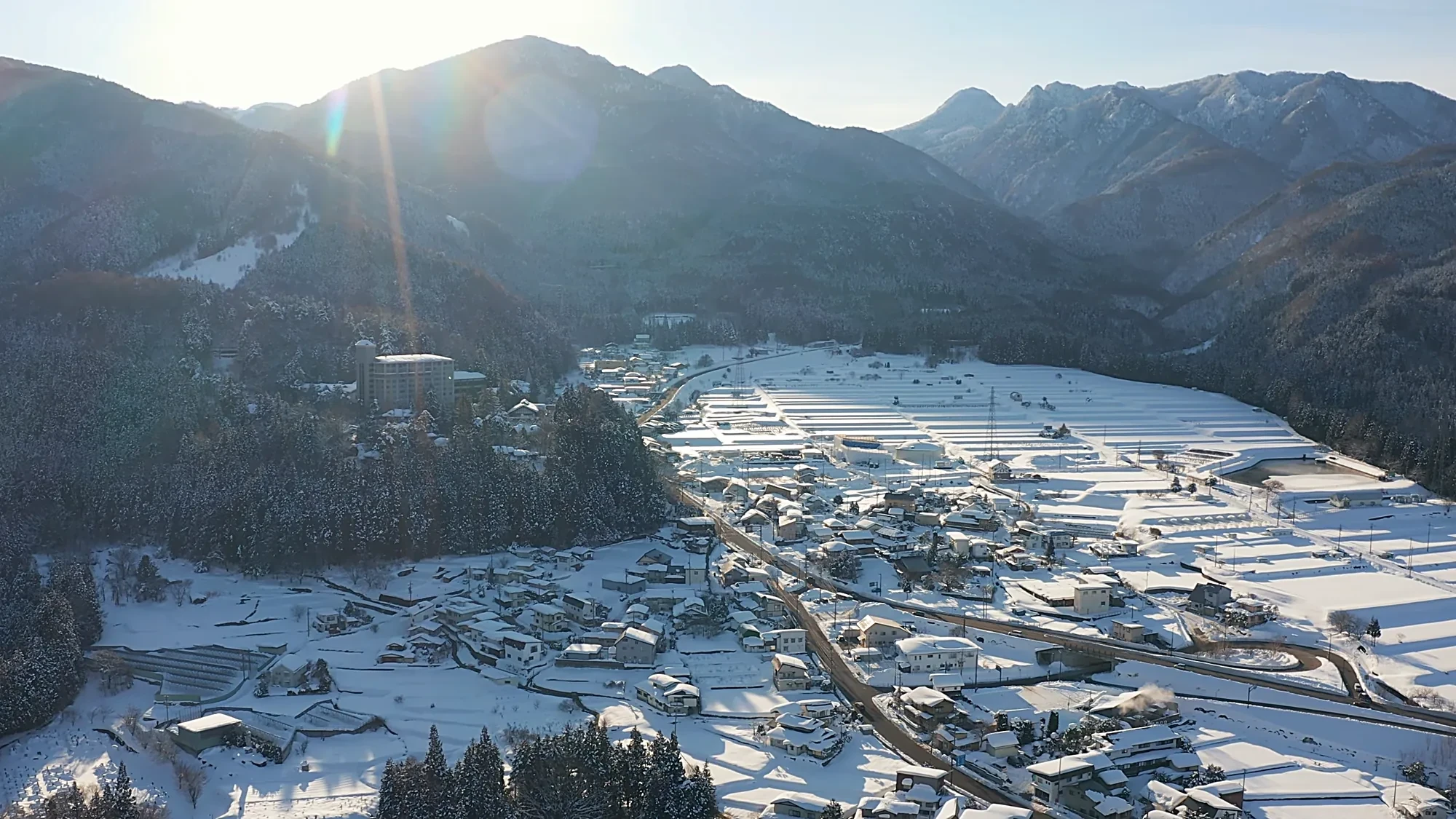
The 1.6-kilometer (1-mile) forest trail to the park is covered in packed snow and ice throughout winter. Waterproof boots with aggressive tread are essential, and clip-on crampons are strongly recommended. The trail is maintained by park staff, but it demands proper preparation.
Winter is also the busiest season. Crowds are heaviest during the Japanese New Year holiday period (roughly December 28 through January 3), on weekends throughout January and February, and during the Chinese New Year period in late January or early February. Weekday mornings outside of holiday periods offer the best balance of strong conditions and manageable visitor numbers.
Spring (April–May): Fewer Crowds and Baby Monkeys
Spring transforms the valley. Snow melts from the lower elevations, the forest canopy begins to fill with fresh green growth, and the trail to the park becomes noticeably easier to walk. Visitor numbers drop sharply compared to winter, and the viewing area is often uncrowded even at midday.
The monkeys remain active and visible throughout spring. They forage, groom, play, and interact socially in the clearing around the hot spring pool. What changes is their use of the pool itself. As air temperatures climb above freezing and daytime warmth increases, the monkeys have less reason to seek the thermal comfort of the hot water. You may see occasional bathing on cooler mornings, particularly in early April when winter’s tail end still lingers, but it becomes increasingly unlikely as the weeks progress.
The major draw of a spring visit is baby monkey season.
Japanese macaques typically give birth between late April and June, and the sight of tiny infant monkeys clinging to their mothers, riding on their backs, nursing, and beginning to explore the world, is compelling in a way that does not depend on snow or hot springs. For visitors with an interest in animal behavior or wildlife photography, the birth season is one of the most rewarding times to be at the park.
Spring is also a practical choice for travelers who want to combine the monkey park with broader sightseeing in the Nagano region. Cherry blossoms appear at lower elevations in the prefecture during April, and the weather is pleasant for visiting Zenkō-ji temple, hiking, and exploring the onsen towns of Shibu and Yudanaka without the challenges of winter travel.

A mother nurses her infant while a playful macaque shakes the branch.
Summer (June–August): Green Forests and Active Monkeys
Summer is the quietest season at Jigokudani Monkey Park. The trail is at its easiest: dry, clear, and shaded by a full forest canopy. The monkeys are present and active. And you may have the viewing area nearly to yourself.
What you will not see is the hot spring bathing scene. In warm weather, the monkeys have no incentive to enter the heated pool, and they almost never do. The pool sits empty or nearly so, and the surrounding rocks that are snow-covered in winter are bare and mossy in July. If the bathing scene is your primary goal, summer is not the time to visit.
That said, summer has its own merits. The troop’s full range of social behavior is on display: grooming, play-fighting among juveniles, foraging, dominance interactions, and mothers caring for young. Late spring through early summer overlaps with the tail end of birth season, and infant macaques born in May or June are still small and visibly dependent on their mothers through the summer months. The lush, green forest setting provides a striking visual contrast to the austere winter landscape, and the absence of crowds means more space, more quiet, and more time to observe.
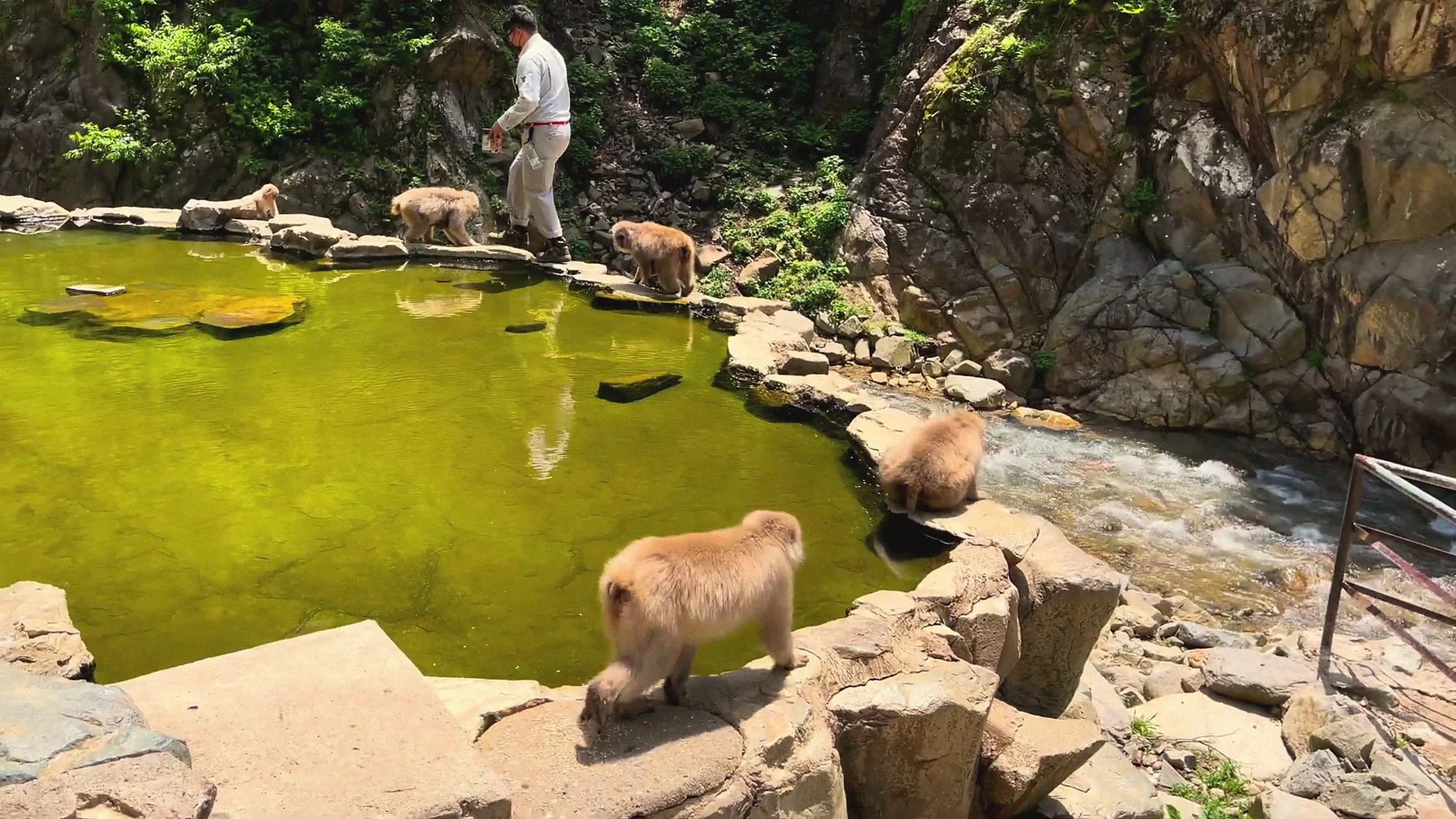
In green season a keeper scatters barley along the pool — the daily feeding that keeps the troop returning to Jigokudani, snow or not.
For visitors already in Nagano during summer for hiking, festivals, or broader travel, a side trip to the monkey park is easy and worthwhile. Just calibrate your expectations: you are coming for the monkeys, not the hot spring.
Autumn (September–November): Fall Colors and Quiet Trails
Autumn in the Yokoyu River valley is understated and appealing. The surrounding mountains begin to turn in late September, with peak fall foliage typically arriving in mid to late October at the elevations around the park. The forests shift through shades of gold, amber, and deep red, and the trail to the park becomes one of the more scenic short walks in the Nagano highlands.

Baby macaque surrounded by the parents.
Temperatures cool progressively through the season. September remains mild, with the monkeys behaving much as they do in summer: active, visible, but indifferent to the hot spring. By October, cooler mornings begin to draw occasional bathers. November marks the transition toward winter, and as temperatures drop more consistently, the monkeys return to the pool with increasing frequency. Late November can produce conditions not far removed from early winter: cold air, the first dustings of snow on higher peaks, and a troop that is beginning to seek warmth in the water.
Autumn visitor numbers are modest. The viewing area is rarely crowded, the trail is in good condition, and the weather is comfortable for walking. For travelers visiting Japan during the autumn foliage season who are willing to forgo the guaranteed snow-and-steam scene, a late October or November visit can deliver a rewarding experience with the added beauty of fall color in the mountains.
When Do Snow Monkeys Bathe in the Hot Spring Most Often?
The frequency of hot spring bathing correlates directly with temperature. The colder the air, the more time the monkeys spend in the water. This is not a scheduled activity. It is a behavioral response to weather, and it varies from day to day.
In the coldest weeks of January and February, when temperatures remain well below freezing throughout the day, bathing is most frequent and prolonged. Monkeys enter and leave the pool repeatedly, and the pool is rarely empty for long. In December and March, bathing remains common but is more variable. A warm day can mean a quiet pool, while a cold snap brings the troop back in force.
In spring and autumn, bathing becomes sporadic. A chilly morning in April or a cold snap in late November might produce a few bathers, but it is not reliable enough to plan around. In summer, the pool is essentially unused.
Park staff scatter supplemental food (barley and soybeans) in the viewing area throughout the day, which encourages the troop to remain in the vicinity of the hot spring whether or not they are bathing. This means you are very likely to see monkeys in any season, even if the pool is empty. The bathing itself, however, is weather-dependent and most consistent from late December through February.

The pool itself is man-made — fed by piped hot-spring water, built so the troop would bathe where visitors can watch.
Weather Conditions That Increase Your Chances
Beyond the general seasonal pattern, certain daily conditions make the monkeys more likely to be in the hot spring:
Active snowfall. Days when snow is falling tend to produce excellent bathing activity. The cold air and precipitation drive the monkeys into the water, and the visual result (snow settling on fur, steam rising around red faces) is the classic Jigokudani scene.
Sustained cold. Consecutive days of sub-zero temperatures produce the most reliable bathing. The monkeys respond to genuine, persistent cold more than to brief dips in temperature.
Overcast skies. Cloud cover keeps temperatures low throughout the day and prevents the warming effect of direct sun. Overcast winter days often outperform clear, sunny ones for hot spring activity.
Early morning cold. Even on days that warm up later, the coldest hours, typically around park opening time, are when the monkeys are most motivated to seek warmth.
Conversely, unseasonably warm winter days, strong sunshine, and rain (rather than snow) can reduce activity at the pool. The monkeys are still present, but they may sit on the rocks or forage in the surrounding forest rather than entering the water.
Baby Monkey Season
Japanese macaques at Jigokudani typically give birth between late April and June, with most births concentrated in May. Newborn macaques are tiny, dark-furred, and largely helpless, clinging tightly to their mothers’ bellies for the first weeks of life. As they grow, they shift to riding on their mothers’ backs and gradually begin to explore, play with other juveniles, and develop the social skills that will define their place in the troop.
For many visitors, baby monkey season is a compelling reason to visit outside of winter. The infants are naturally engaging to watch, and the mother-infant interactions (nursing, grooming, gentle discipline) reveal a layer of social complexity that is less visible in the winter bathing scene. Photographers find the subject matter rewarding, and the softer spring light is well suited to close-up wildlife portraits.
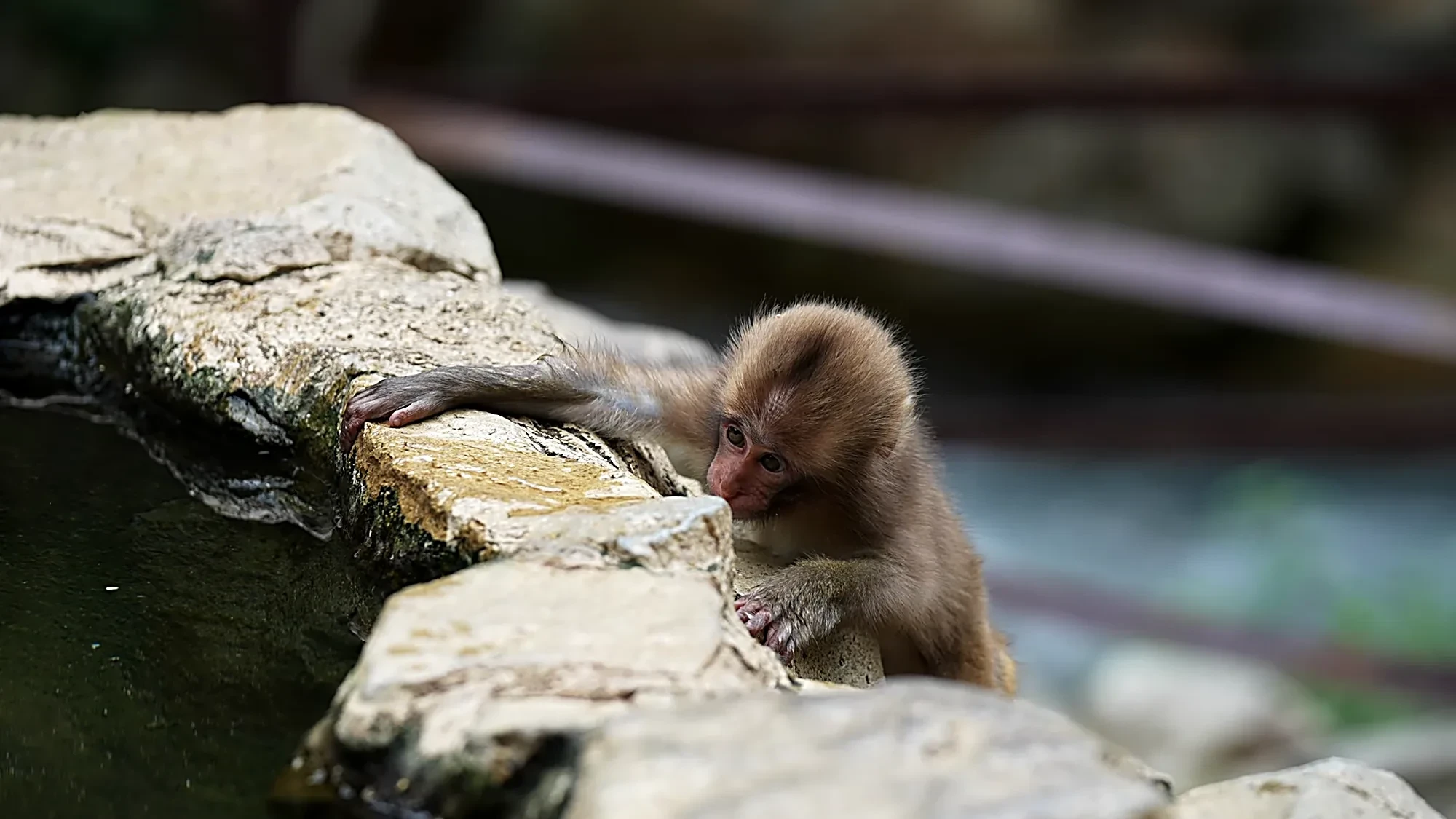
Baby season runs from late spring — mothers and infants at close range, the forest green around them.
Baby monkeys remain visibly young through the summer months, so visits in June, July, or August still offer a chance to see juveniles, though they are larger and more independent by that point.
Best Month for Photography
January is the strongest month for the classic Jigokudani photograph: monkeys in the hot spring, heavy snow, rising steam. The combination of consistent cold, reliable snowfall, and frequent bathing activity means more opportunities per visit than any other month. February is a close second, with similarly strong conditions.

Wild but unbothered — a macaque holds the railing while visitors shoot from feet away. They ignore people as long as people behave.
For photographers, a few factors beyond season are worth considering:
Overcast days produce the best light. Soft, even illumination without harsh shadows is ideal for wildlife portraits, and overcast skies are common in the Nagano mountains during winter. Sunny days create strong contrast that is harder to work with in the steam-filled viewing area.
Early morning visits offer the best combination of conditions. Light is soft, crowds are thin, the air is at its coldest, and the monkeys are often most active in the pool.
Lens fogging is a constant challenge. The temperature difference between cold air and warm steam causes rapid condensation on glass. Keep your camera inside your jacket between shots and allow gradual temperature adjustment.
Spring offers different but equally strong opportunities. Infant macaques in May and June, softer light, green backgrounds, and far fewer people in the frame make spring an excellent season for behavioral and portrait photography.
Autumn provides a third distinct palette: warm foliage tones, dappled forest light, and a quieter setting, though the monkeys are less likely to be in the pool.
Crowd Levels Throughout the Year
Visitor traffic at Jigokudani Monkey Park follows a predictable pattern:
Highest crowds: Late December through early January (Japanese New Year holiday), weekends in January and February, Chinese New Year period (late January or early February). The viewing area can feel congested during these peaks, and the trail sees steady two-way foot traffic.
Moderate crowds: Weekdays in January and February, December weekdays, March. You will share the park with other visitors, but the viewing area does not feel packed.
Low crowds: April and May, September through November. The park is often quiet, and you may find yourself with only a handful of other visitors.
Lowest crowds: June through August. The park is open but draws very few visitors. You may have the viewing area nearly to yourself.
Arriving early, within the first hour of opening, reduces crowd pressure in every season. The majority of day-trippers from Tokyo and Nagano arrive between 10:00 AM and noon, so early birds enjoy the quietest conditions regardless of the calendar.
Best Time of Day to Visit Jigokudani Monkey Park
The park opens at 8:30 AM from April through October and at 9:00 AM from November through March. In every season, the first hour after opening tends to offer the best experience.
In winter, the early morning is when temperatures are lowest and the monkeys are most motivated to enter the hot spring. It is also when the light is softest. The valley sits between steep hillsides, and direct sun does not reach the viewing area until later in the morning. The combination of cold air, active bathing, thin crowds, and gentle light makes the opening hour the most valuable window of the day for both casual visitors and photographers.
By mid-morning, day-trip visitors begin arriving in numbers, and the viewing area fills. Activity at the pool may fluctuate throughout the day (the monkeys come and go on their own schedule), but the crowd level generally peaks between 10:30 AM and 1:00 PM.
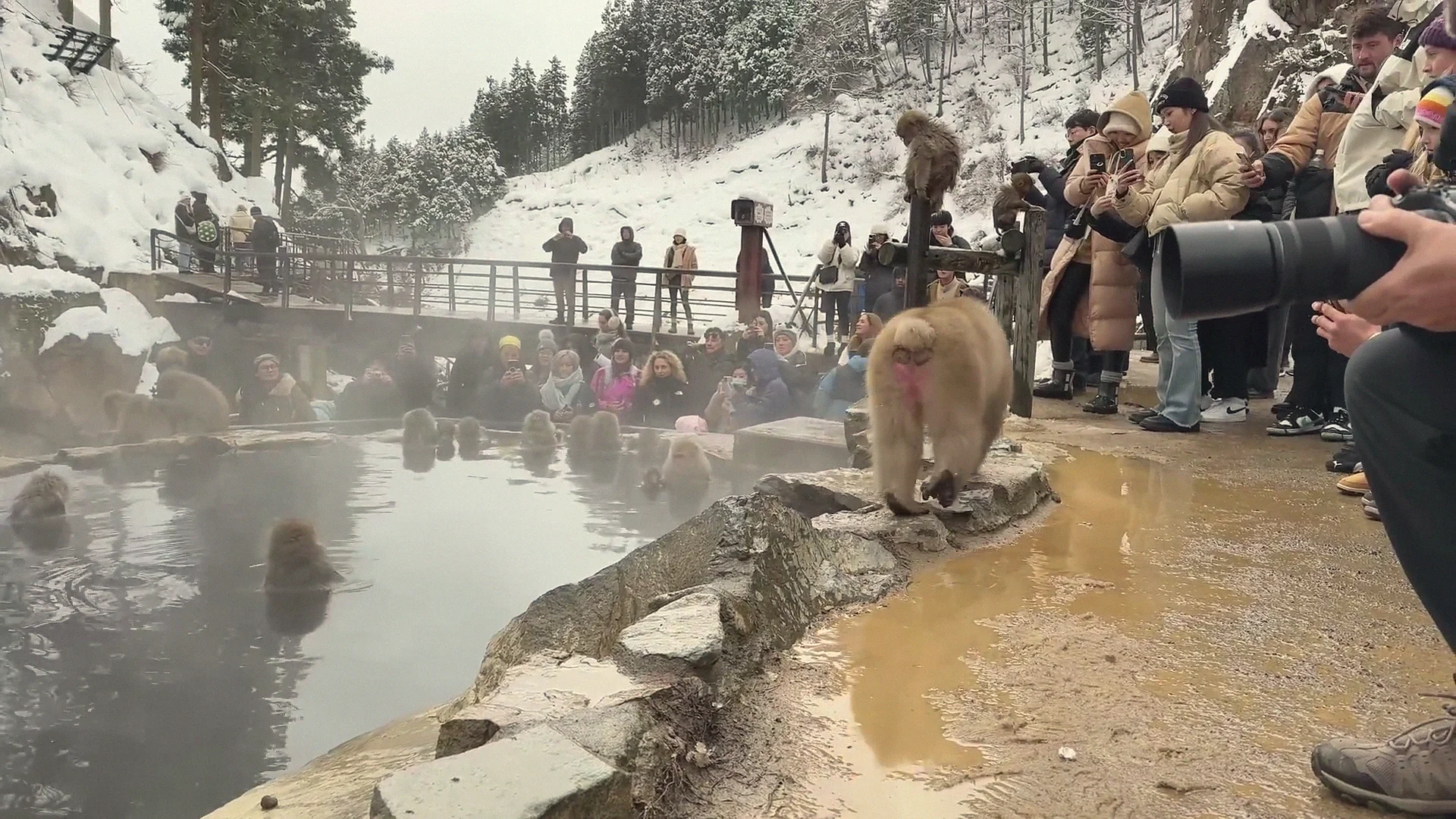
Peak-season crowds line the pool rail with long lenses.
Late afternoon visits can also be productive. Crowds thin after 2:00 PM as day-trippers begin their return journeys, and the monkeys often remain active. In winter, however, the park closes at 4:00 PM and daylight fades quickly in the valley, so time is limited. Visitors staying overnight in Shibu Onsen or Yudanaka Onsen are best positioned to take advantage of both the early morning and late afternoon windows.
Should You Visit in Winter or Another Season?
The answer depends entirely on your priorities.
Visit in winter if: The hot spring bathing scene is your primary goal. You want the iconic snow-and-steam photographs. You are prepared for cold weather, icy trail conditions, and larger crowds. You do not mind paying peak-season ryokan prices.
Visit in spring if: You want to see baby monkeys. You prefer fewer crowds and easier trail conditions. You are combining the monkey park with broader travel in the Nagano region. You are comfortable without guaranteed hot spring bathing.
Visit in summer if: You are already in the area for hiking or other travel and want to add a side trip. You prefer solitude at the park. You understand that hot spring bathing is unlikely. You are interested in observing monkey behavior beyond the bathing scene.
Visit in autumn if: You enjoy fall foliage and cooler weather. You want a quiet experience with modest crowds. You are willing to accept unpredictable bathing activity. You value the scenic beauty of the trail and the valley in autumn colors.

Baby snow monkey embraced by mother.
No season is a bad time to visit Jigokudani Monkey Park. The monkeys are present year-round, the park is open in every season, and the forest trail is accessible in all conditions with proper footwear. But if you want the highest probability of seeing wild monkeys bathing in a hot spring surrounded by snow, the experience that made this park famous, aim for January or February, arrive early in the morning, and bring patience along with your warmest clothes.
Summary
The best time to see snow monkeys bathing in the hot spring at Jigokudani Monkey Park is during the coldest winter months: January and February above all, with December and March as strong secondary options. Cold temperatures, snowfall, and overcast skies produce the most frequent and photogenic bathing activity. The monkeys are wild, and no visit carries an absolute guarantee, but winter visitors who arrive early and stay patient rarely leave without seeing the famous scene.
Spring brings baby monkeys and fewer crowds. Summer offers solitude and lush green forests. Autumn delivers fall color and cool, comfortable weather. Each season has something to recommend it, and the troop is present year-round. But winter remains the definitive Jigokudani experience, the one that put this small mountain park on the world map, and the one most visitors will remember the longest.
Plan your visit around what matters most to you, dress for the conditions, and give yourself enough time to let the experience unfold at its own pace. The monkeys are on no one’s schedule but their own.
Seasonal patterns described here are based on long-term trends and are not guaranteed for any specific date. Weather and monkey behavior vary from year to year. Check the official Jigokudani Monkey Park website and current forecasts before your visit.

Show all sources
1. 地獄谷野猿公苑【公式】 (Jigokudani Monkey Park, official) — The park's official account: opened 1964, elevation, bathing behavior, admission, conduct.
2. 山ノ内町役場 (Yamanouchi Town official onsen list) — Municipal record: park access, walking times, climate and setting.
Verified July 7–16, 2026
Related guides
Plan Your Visit
Best Time of Day to See Snow Monkeys
The first two hours after opening. Peak bathing, the best light, and the platform before the tour buses.

Plan Your Visit
Snow Monkeys in January
The coldest air, the deepest snow, the most reliable bathing. The famous photographs are made this month.
Plan Your Visit
Worst Time to Visit
There is no bad month at Jigokudani, only mismatches. August for bathing, New Year for quiet: both wrong.