On this page
Introduction
The name "snow monkeys" and the iconic images of red-faced macaques soaking in steaming water surrounded by snowdrifts create a powerful association: snow monkeys belong in snow. It is easy to assume that the experience only works in winter, and that visiting Jigokudani Monkey Park during warmer months means missing the point entirely.
That assumption is wrong, but the full picture is more nuanced than a simple yes or no. The monkeys live in the park year-round. You can see them in any season. What changes is their behavior around the hot spring, the visual landscape surrounding them, the number of other visitors at the park, and the overall character of the experience. This guide explains exactly what to expect season by season, so you can decide whether a visit to the snow monkeys is worth including in your trip even when there is no snow on the ground.
Quick Answer: Can You See Snow Monkeys Without Snow?
Yes. The Japanese macaques at Jigokudani Monkey Park are wild animals that live in the surrounding mountains of Nagano Prefecture year-round. They do not migrate, hibernate, or leave the area when winter ends. The park is open every day of the year, and the troop (roughly 160 monkeys) is present in every season.
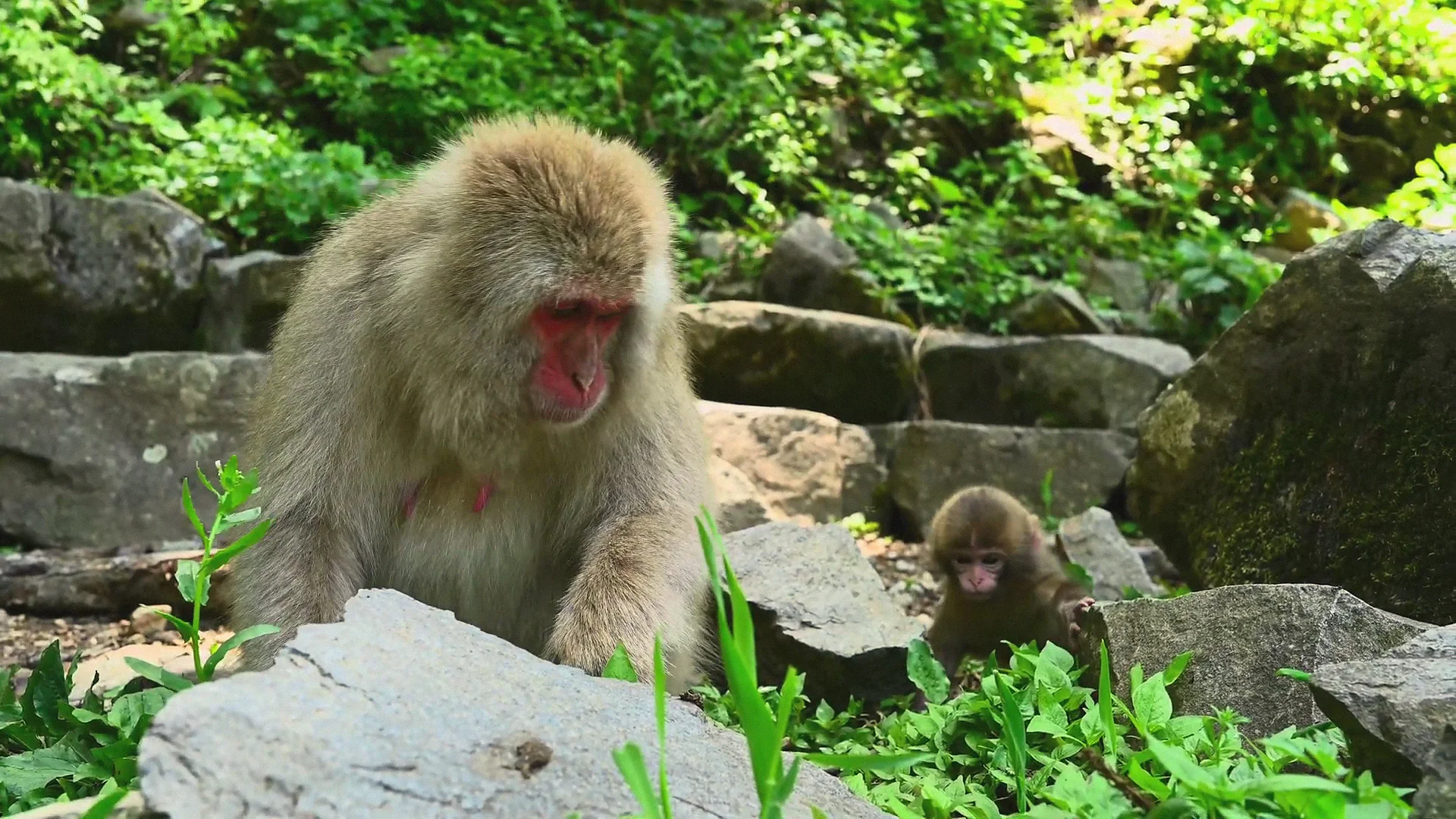
A mother and her infant explore the rocks on a green summer day.
What you may not see outside of winter is the monkeys bathing in the hot spring. That behavior is driven by cold weather. When temperatures drop, the warm water offers genuine thermal comfort, and the troop uses the pool frequently. In warmer months, they have no reason to enter the water, and the pool often sits empty. You will still see plenty of monkeys grooming, foraging, playing, resting, and interacting socially, but the signature bathing scene becomes increasingly unlikely as the weather warms.
Do Snow Monkeys Live at the Park Year-Round?
Japanese macaques (Macaca fuscata) are native to the Japanese archipelago and are the northernmost-living nonhuman primates in the world. The Jigokudani troop has inhabited this mountain valley for generations. The park is their home, not a seasonal exhibit.
Park staff scatter supplemental food (barley and soybeans) in the viewing area throughout the year, which encourages the troop to gather near the hot spring pool regardless of season. This means visitors in spring, summer, and autumn have a strong chance of encountering monkeys in the viewing area, even when the animals are not using the hot spring itself. Sightings are not guaranteed on any single visit, but they are highly consistent across all twelve months.
The monkeys' daily range shifts somewhat with the seasons. In winter, the cold concentrates the troop closer to the hot spring and feeding area. In warmer months, they range more widely through the surrounding forest, foraging for natural food sources. Even so, the combination of supplemental feeding and decades of habituation to human presence means the viewing area remains active year-round.
Why Snow Monkeys Use the Hot Spring
The hot spring bathing behavior at Jigokudani is not instinctive to the species. It is a learned, culturally transmitted behavior unique to this troop. It began in 1963, when a young female macaque was observed copying humans bathing at a nearby inn. Other troop members imitated her, and the behavior was passed from mothers to offspring over successive generations.
The monkeys bathe because the warm water feels good in cold weather. It is a comfort behavior, pleasurable rather than necessary for survival. When the air is cold and snow is on the ground, the heated pool provides genuine relief, and the troop gravitates toward it naturally. When temperatures are mild or warm, the pool offers no particular benefit, and the monkeys ignore it. This is why bathing activity correlates so strongly with temperature: the colder the day, the more monkeys in the water.
Understanding this mechanism is key to setting expectations for a visit outside winter. The monkeys are not trained to enter the pool, and no one makes them do it. They enter when they are cold and stay away when they are not.
When Monkeys Are Most Likely to Bathe in the Hot Spring
Bathing frequency tracks temperature closely:
January and February: The most reliable months. Cold is sustained and heavy, and the monkeys use the pool frequently throughout the day.
December and March: Strong months with regular bathing, though occasional warm spells can reduce activity.
Late November and early April: Transitional periods. Cool mornings may produce sporadic bathing, but it is not dependable.
May through October: Bathing is rare to nonexistent. The monkeys are present but stay out of the water.
Daily weather matters too. Active snowfall, sustained sub-zero temperatures, overcast skies, and early morning cold all increase the likelihood of seeing monkeys in the pool. Sunny, mild winter days can produce a quiet pool even in January.
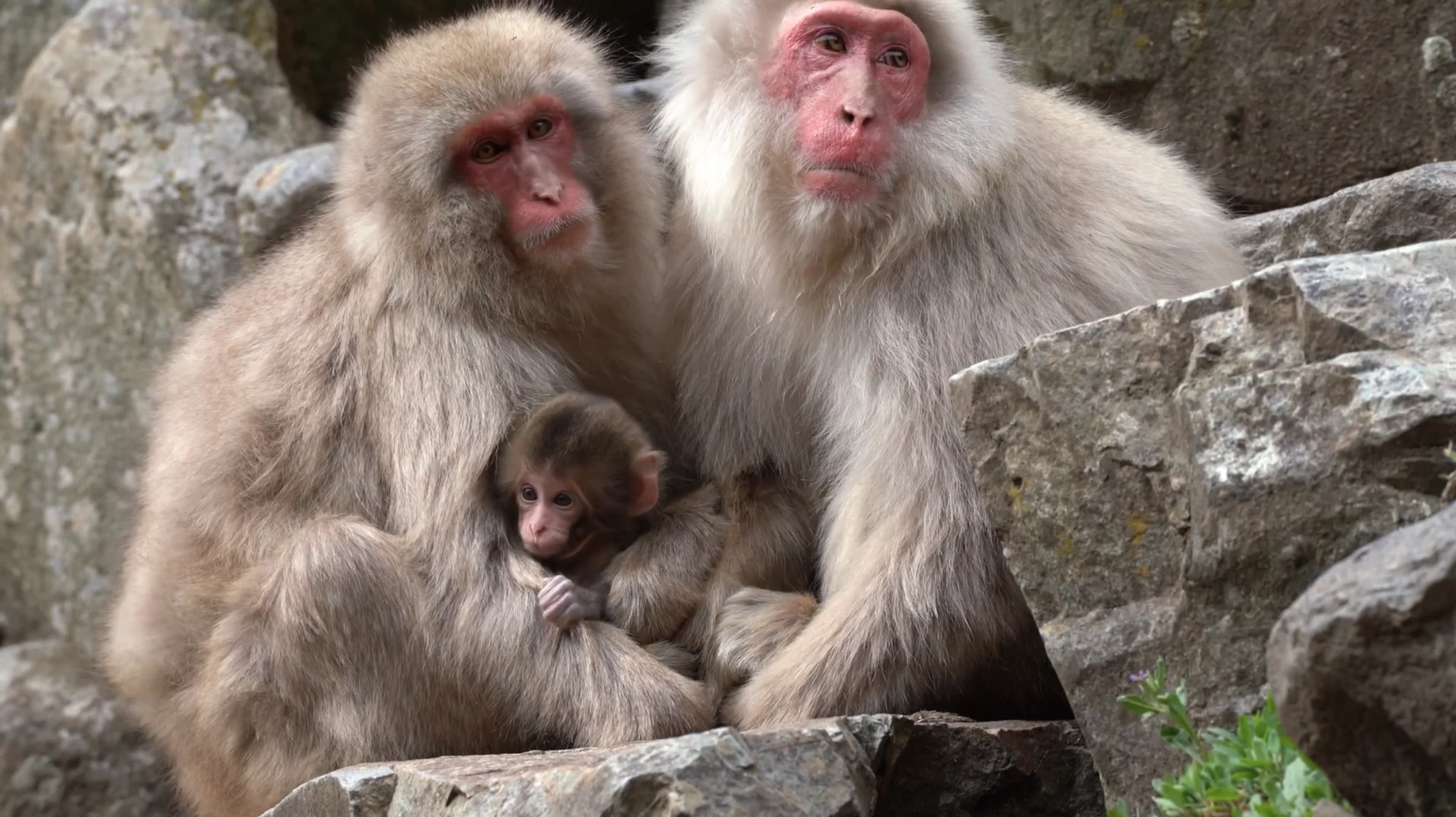
A soft-light trio at the pool edge, the young one wide awake.
Visiting in Winter (December–March)
Winter is why Jigokudani is famous. Heavy snow, freezing temperatures, and the dramatic contrast of red-faced monkeys in steaming water against a white landscape produce the images that draw visitors from around the world. January and February are the peak months: the coldest, snowiest, and most reliable for hot spring bathing.
The winter experience is visually striking and emotionally memorable. It is also the most demanding of visitors. The 1.6-kilometer (1-mile) forest trail to the park is covered in packed snow and ice, requiring proper boots and ideally clip-on crampons. Temperatures at the viewing area regularly sit between minus 5°C (23°F) and minus 15°C (5°F). Crowds are at their heaviest, particularly during Japanese New Year and on weekends.
If the classic bathing-in-snow scene is your primary goal, winter is the time to come. No other season can reliably deliver it.
Visiting in Spring (April–May)
Spring is when the valley shakes off winter. Snow melts from the lower elevations, the forest trail dries out and becomes an easy walk, and the trees begin to fill with new growth. Visitor numbers drop sharply, and the viewing area often feels uncrowded even at midday.
The monkeys are active and visible throughout spring. They forage, groom, and socialize in and around the clearing. Hot spring bathing is uncommon. You may catch a few monkeys wading in on a cool April morning, but it becomes increasingly unlikely as temperatures rise.
The major draw of a spring visit is baby monkey season. Japanese macaques typically give birth between late April and June. Tiny, dark-furred infants clinging to their mothers, riding on backs, nursing, and beginning to explore, are naturally engaging and photograph well. For visitors whose interest extends beyond the bathing scene to the social and behavioral life of the troop, spring is one of the richest times to visit.
Visiting in Summer (June–August)
Summer at Jigokudani is green, warm, and quiet. The forest canopy is full, the trail is at its easiest, and you may share the viewing area with only a handful of other visitors. The hot spring pool sits empty or nearly so.
This is the season that requires the most honest expectation-setting. If you are coming to see monkeys bathing in a hot spring, summer will disappoint. The monkeys have no reason to enter the warm water when the air itself is comfortable. The pool, which is the focal point of winter visits, becomes a background feature.
What summer does offer is unobstructed access to the troop's natural behavior. Grooming sessions, play-fighting among juveniles, foraging, social hierarchies, and mother-infant interactions are all on display. The lush, green setting provides a visual contrast to winter that can be striking in its own way. And the absence of crowds means more space, more quiet, and more time to observe without jostling for position.
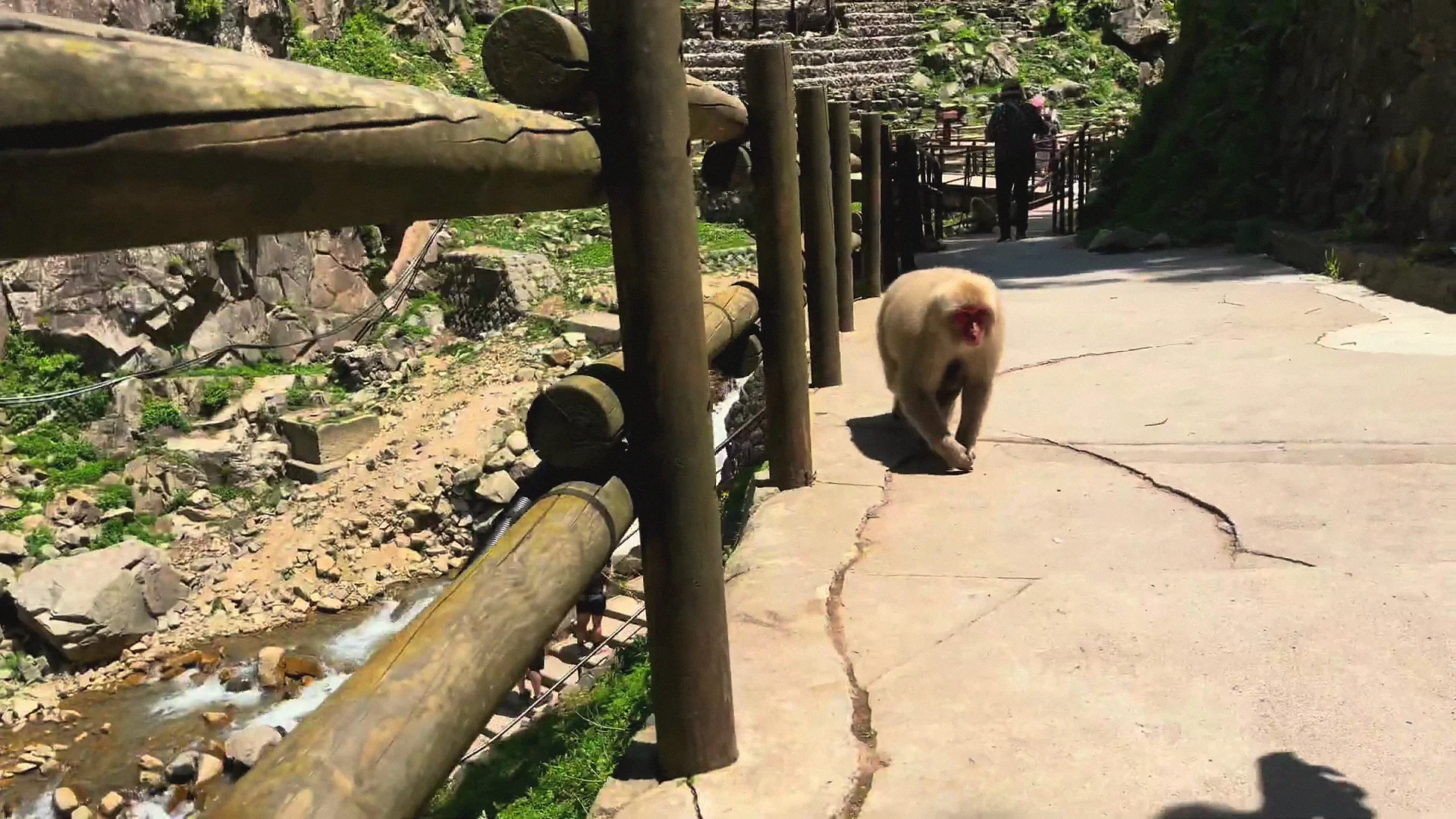
A macaque strolls the visitor path just steps from onlookers in summer.
Summer also overlaps with the tail end of baby monkey season. Infants born in May or June are still small and dependent through July and August, offering opportunities to watch young macaques developing their social and physical skills.
Visiting in Autumn (September–November)
Autumn brings a gradual shift. Temperatures cool, the forest begins to turn, and by late October the surrounding mountains are dressed in shades of gold, amber, and red. The trail becomes one of the more scenic short walks in the Nagano highlands.
September still feels like an extension of summer in terms of monkey behavior: the troop is active, the pool is mostly unused, and visitor numbers are low. October introduces cooler mornings that occasionally coax a few monkeys into the water, though not reliably. By November, as temperatures drop more consistently, the transition toward winter behavior begins. Late November can produce conditions that closely resemble early winter: cold air, the first light snow at higher elevations, and a troop that is starting to seek warmth in the pool again.
Autumn is a strong choice for visitors who want pleasant walking weather, fall foliage, thin crowds, and a reasonable chance of seeing some bathing activity without the full demands of a winter visit.
What the Experience Is Like Without Snow
Without snow, the park feels different: quieter, greener, more intimate. The hot spring pool is still there, still steaming, but it sits as part of the landscape rather than the center of the action. The monkeys are scattered more widely, some near the pool, some on the surrounding rocks, some in the trees at the edge of the clearing.
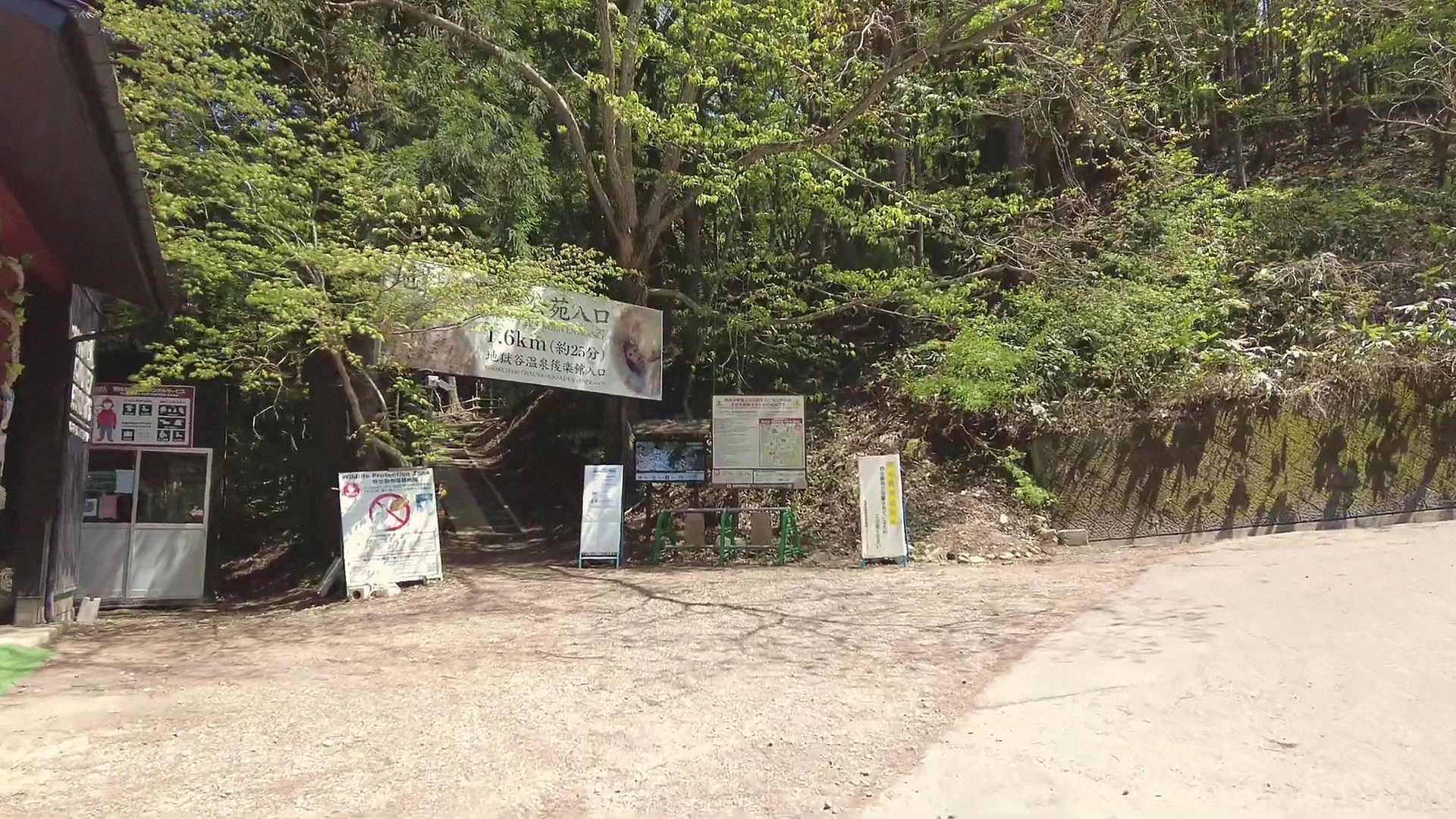
Out of winter the trailhead transforms — green forest, the ticket booth, and the marker for the 1.6 km (1 mi) walk in.
The viewing experience shifts from spectacle to observation. In winter, the bathing scene is the focal point and visitors cluster around the pool. In other seasons, the interest is distributed. You watch a mother groom her infant on one side, catch a juvenile chasing another across the rocks, notice an older male asserting dominance with a glare. The social life of the troop, which is always present but sometimes overshadowed by the drama of the hot spring in winter, moves to the foreground.
The trail itself is a different experience. In spring and autumn, it is a pleasant forest walk with birdsong, the sound of the river, and dappled light through the canopy. In summer, the shade of the trees makes the walk comfortable even on warm days. The difficulty and gear requirements of the winter trail are absent entirely.
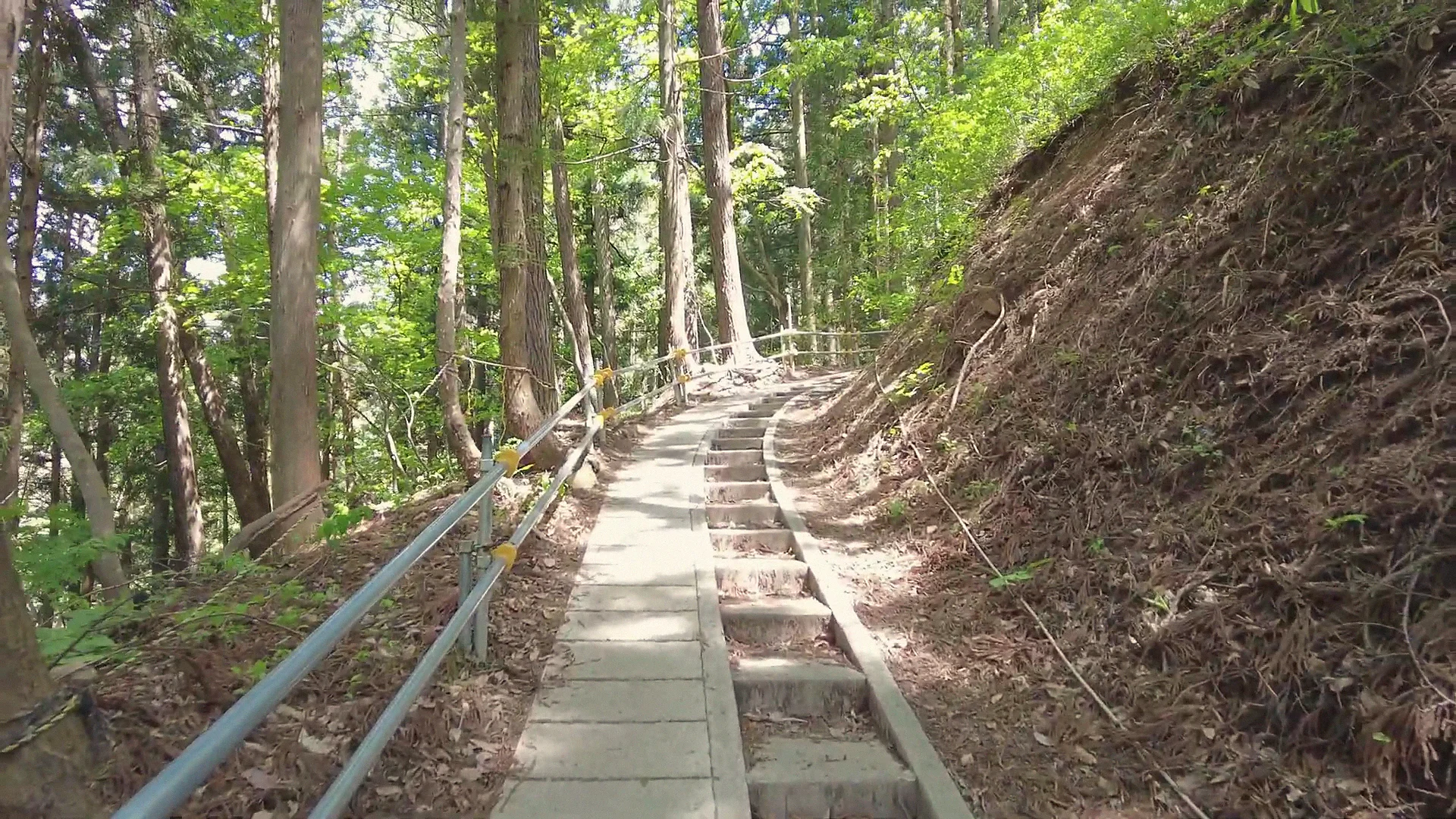
The shaded forest trail to the park, lush and green in summer.
For visitors who appreciate wildlife observation as a slow, attentive practice rather than a single dramatic moment, the off-season experience has real value.
Is It Still Worth Visiting Without Snow?
Yes, with the right expectations.
If your single goal is the iconic photograph of snow monkeys bathing in a hot spring surrounded by falling snow, visiting outside winter will not deliver that. Plan your trip for January or February instead.
If your goals are broader (seeing wild primates up close, observing natural behavior, enjoying a beautiful mountain setting, combining the park with a stay in the nearby onsen towns), then a visit in spring, summer, or autumn is genuinely rewarding. You will see monkeys. You will likely get close to them. You will walk a scenic forest trail in comfortable conditions. And you will do it with a fraction of the crowds that fill the park in winter.
The question is not whether the park is worth visiting without snow. It is whether your expectations match what the season actually offers. Visitors who come in July expecting the January experience will be disappointed. Visitors who come in July expecting to see a wild primate troop in a green mountain valley, with time and space to observe, will leave satisfied.
Best Alternative Experiences Nearby
A visit to Jigokudani outside of winter pairs naturally with other attractions in the Yamanouchi area that are equally enjoyable in warmer months.
Shibu Onsen is atmospheric in any season. The nine public bathhouses are open year-round, the stone streets retain their character regardless of weather, and a ryokan stay with kaiseki dinner and hot spring bathing is every bit as rewarding in spring or autumn as it is in winter. The village is actually easier to explore in mild weather, when icy paths and heavy snow are not a factor.
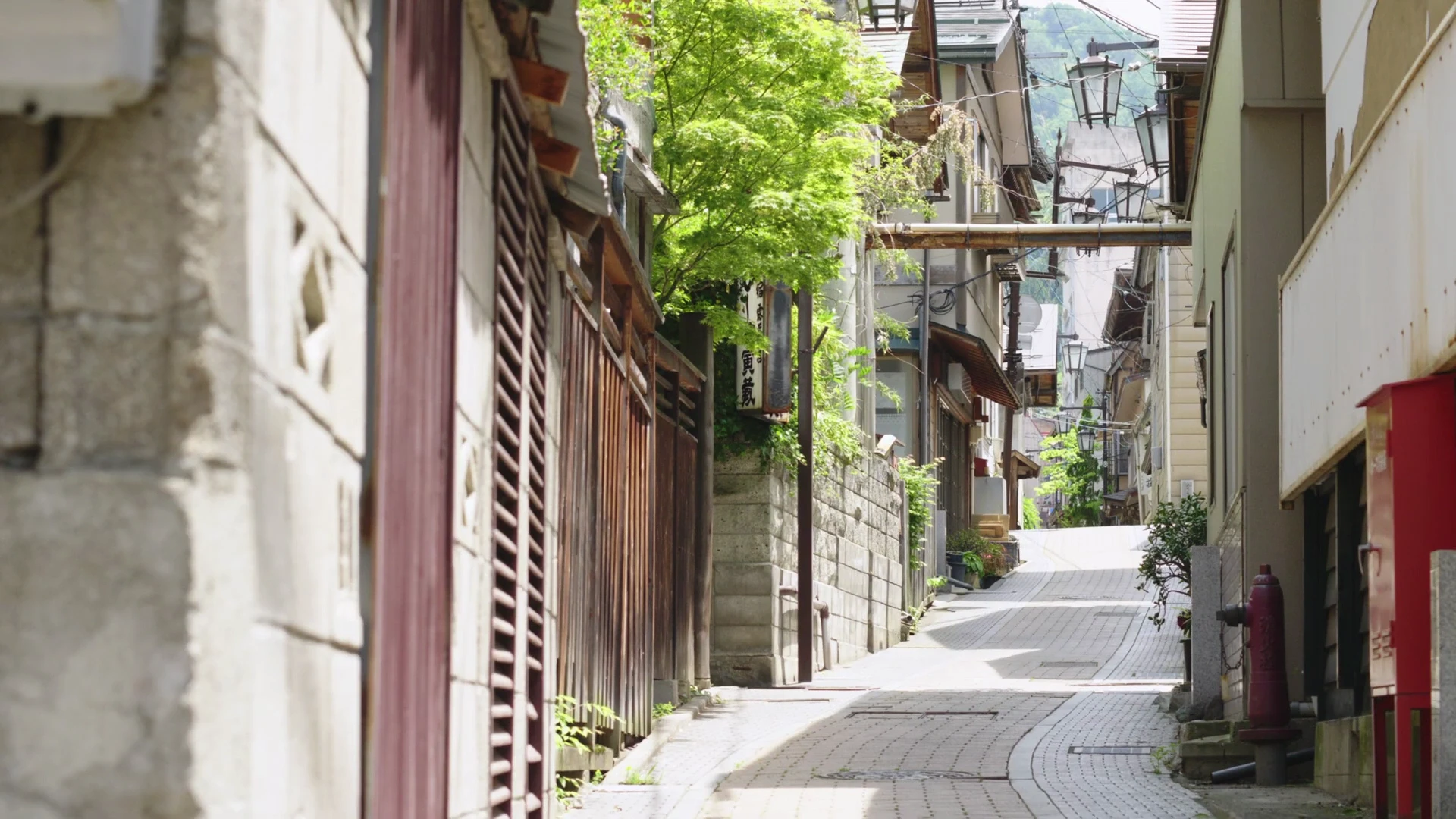
One of Shibu's narrow back lanes — wooden lattice, dappled light, and the quiet that makes the village feel timeless.
Yudanaka Onsen offers the same year-round appeal: hot spring baths, traditional accommodation, and a quiet mountain town atmosphere. The free foot bath at Yudanaka Station is pleasant after a warm-weather walk to and from the park.
Hiking in the surrounding mountains is excellent from late spring through autumn. The Shiga Kogen highland area, a short drive or bus ride from Yamanouchi, offers well-maintained trails through alpine meadows and volcanic landscapes. In winter this area is a major ski resort; in summer it transforms into some of the best high-altitude walking in Nagano Prefecture.
Nagano city and Zenkō-ji temple are accessible year-round and make a natural addition to any trip to the area. The city's soba noodle restaurants, temple streets, and cultural sites are at their most comfortable to explore in spring and autumn.
Tips for Visitors Traveling Outside Winter
Set realistic expectations about the hot spring. The monkeys may not be in the water. That is normal for warmer months and not a failure of your visit.
Wear comfortable walking shoes. The trail is easy in dry conditions. Hiking boots are not necessary outside of winter, though shoes with decent grip are advisable after rain.
Bring rain gear in any season. Mountain weather shifts quickly, and a sudden shower on the trail or at the viewing area is common in spring and summer.
Arrive early for the quietest experience. Even in low-traffic seasons, the first hour after opening offers the most relaxed viewing.
Keep food hidden. The monkeys are curious and resourceful in every season. Conceal snacks and water bottles in your bag.
Plan for baby monkeys in spring. If visiting between late April and June, infant macaques are a strong additional draw. Bring a medium telephoto lens if you are photographing.
Enjoy the trail. The forest walk to the park is genuinely beautiful in spring, summer, and autumn. Take your time with it rather than treating it purely as transit.
Stay overnight anyway. The ryokan and onsen experience in Shibu Onsen or Yudanaka Onsen is not weather-dependent. An evening in a traditional inn with hot spring baths and a kaiseki dinner is rewarding regardless of the season.
Summary
The snow monkeys of Jigokudani Monkey Park are not seasonal visitors. They live in the valley year-round, and the park is open in every season. What changes outside of winter is the monkeys' use of the hot spring, which is driven by cold weather and becomes rare to nonexistent in warm months.
Visiting without snow means trading the dramatic bathing scene for a quieter, more observational experience: wild primates in a green mountain forest, baby monkeys in spring, fall foliage in autumn, empty trails, and almost no crowds. The onsen towns nearby, Shibu Onsen and Yudanaka Onsen, remain excellent in any season, and the ryokan experience does not depend on the calendar.
Come in winter for the iconic scene. Come in other seasons for everything else. Both are worth the trip, as long as you know which one you are signing up for.
Seasonal patterns described here are based on long-term trends and are not guaranteed for any specific date. Check the official Jigokudani Monkey Park website for current conditions before your visit. Information in this guide reflects conditions as of April 2026.

Show all sources
1. 地獄谷野猿公苑【公式】 (Jigokudani Monkey Park, official) — The park's official account: opened 1964, elevation, bathing behavior, admission, conduct.
Verified July 7–16, 2026
Related guides

The Park and Monkeys
Snow Monkeys in Summer
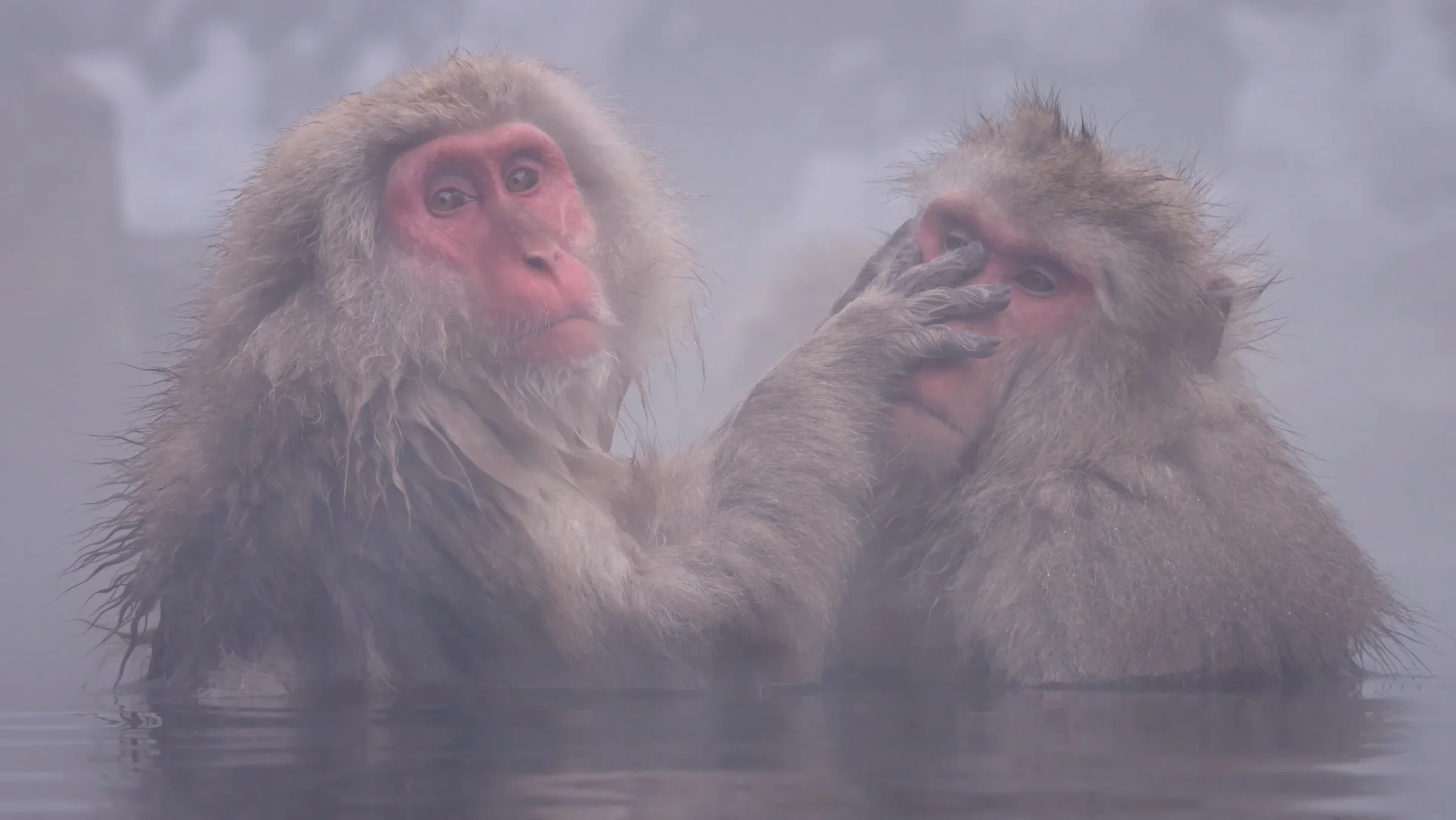
No snow, no steam, no bathing. What you get instead: spring's infants, a green trail, and no crowd.
The Park and Monkeys
Best Time to See Snow Monkeys
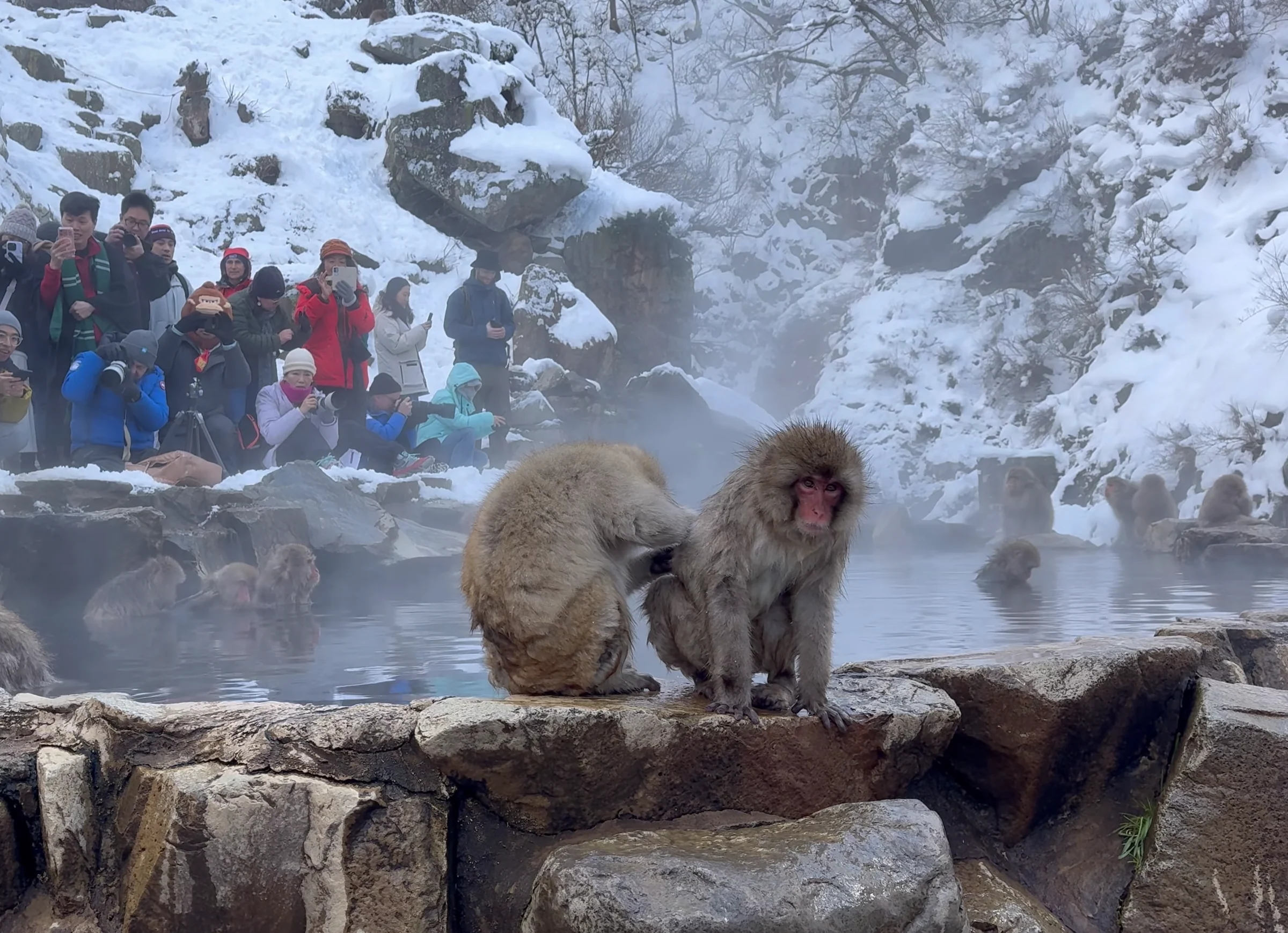
January and February for snow and steam. June for newborns. The monkeys are there every day of the year.
The Park and Monkeys
Worst Time to Visit
There is no bad month at Jigokudani, only mismatches. August for bathing, New Year for quiet: both wrong.