On this page
Quick answer
No — decades of careful management mean the macaques largely ignore humans, and incidents are rare. The rules that keep it that way: no feeding, no touching, no staring contests, and keep food and shiny objects out of sight.
Standing two meters from a wild monkey with no fence between you, the question is reasonable: is this safe? The short answer is yes — remarkably so. Jigokudani Monkey Park has operated since 1964, hosting enormous numbers of visitors at close range to a troop of roughly 160 Japanese macaques, and serious incidents remain rare. But the safety record is not luck. It is the product of rules that work, and it depends on visitors following them.

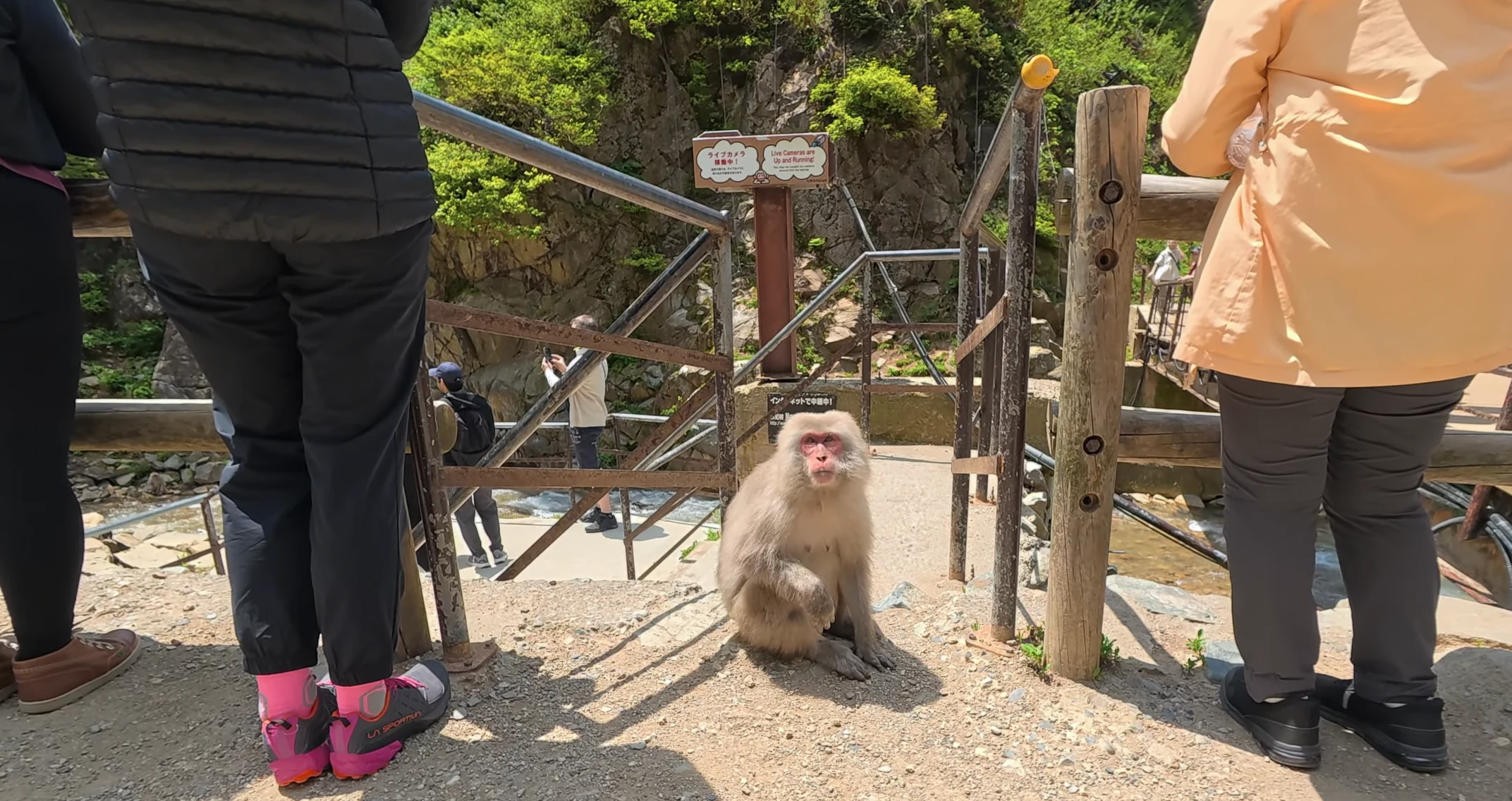
A macaque strolls the rim within arm's reach of the visitors.
What Japanese Macaques Are — and Are Not
The monkeys at Jigokudani are entirely wild. They are not trained, handled, or confined; they sleep in the surrounding forest and visit the hot spring area because warm water and supplemental feeding by park staff make it worthwhile. Decades of neutral, predictable human behavior have taught the troop that visitors are neither threat nor food source, so they treat people as scenery.
That tolerance is not tameness. An adult macaque is a strong animal with formidable teeth, capable of inflicting a serious bite if it feels cornered or threatened. The species' social life runs on hierarchy and signaling, and most aggression — toward humans or other monkeys — happens when those signals are ignored.

Snow monkeys aren't only in the water — they forage and rest in the bare winter trees above the valley.
The Rules That Keep Everyone Safe
Do not touch the monkeys. Even a relaxed-looking bather may respond defensively to contact.
Do not feed them. Only park staff provide food. A monkey that learns visitors carry snacks becomes pushy, and pushy monkeys cause incidents.
Keep food and drinks out of sight. Macaques are intelligent and will investigate bags that smell interesting.
Avoid prolonged, direct eye contact. In macaque body language, a hard stare is a challenge.
Do not crowd or corner an animal. If a monkey approaches, step aside calmly and give it space.
No flash photography. Sudden light startles the troop.
Park staff are present at the viewing area and enforce these rules consistently. They exist as much for the monkeys' protection as for yours: a troop that stays relaxed around humans is a troop that can keep being visited.
What Incidents Actually Look Like
When problems occur, they almost always trace to a visitor breaking a rule — usually visible food, attempted selfies at arm's length, or a child reaching out to touch.
The result is typically a warning lunge, a grab at a bag, or in rare cases a scratch or nip. Unprovoked attacks on rule-following visitors are essentially unheard of. The monkeys have no interest in conflict with humans; everything they want — warmth, food, social position — is unrelated to you.
Visiting with Children
Families visit Jigokudani constantly, and children who can manage the 1.6 km (~1 mi) trail are welcome. The practical guidance: keep young children within arm's reach at the viewing area, brief them on the no-touching rule before you arrive, and hold snacks until you are back at the trailhead.
Children at monkey eye-level sometimes receive more curiosity than adults do, which is charming at a distance and best kept that way.
Health Notes
There is no meaningful disease risk from simply observing the monkeys at normal distances. The standard advice — no contact, no feeding — covers the realistic transmission routes. Anyone scratched or bitten (again, rare) should wash the wound and seek medical attention promptly, as with any animal injury anywhere.
The Bottom Line
Snow monkeys are wild animals that have agreed, on specific terms, to be watched. Honor the terms and the risk involved in a visit is comparable to any walk in the woods — which is to say, the ice on the winter trail is statistically a far bigger hazard than the macaques will ever be. Respect the animals, mind your footing, and enjoy one of the closest wild-primate encounters on earth.
Rules are posted at the park entrance and may be updated; follow staff instructions during your visit.
Frequently asked questions
Can I take a selfie with a monkey?
Are they safe for kids?

Show all sources
1. 地獄谷野猿公苑【公式】 (Jigokudani Monkey Park, official) — The park's official account: opened 1964, elevation, bathing behavior, admission, conduct.
2. 山ノ内町役場 (Yamanouchi Town official onsen list) — Municipal record: park access, walking times, climate and setting.
Verified July 7–16, 2026
Related guides

The Park and Monkeys
Snow Monkey Park
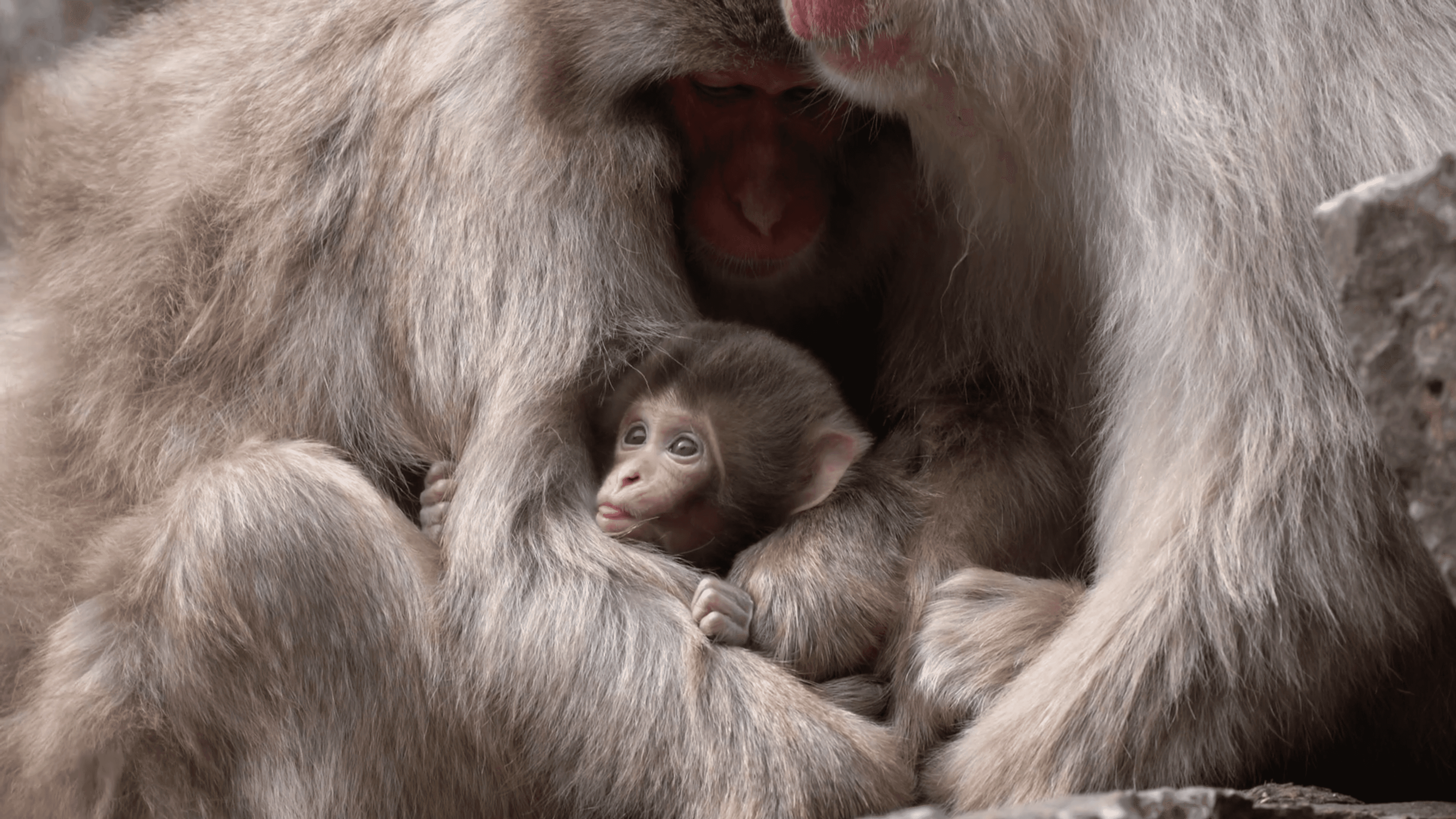
Wild macaques bathe in a hot spring in the Nagano mountains. Nowhere else on earth do monkeys do this.
The Park and Monkeys
Do Monkeys Appear Every Day?
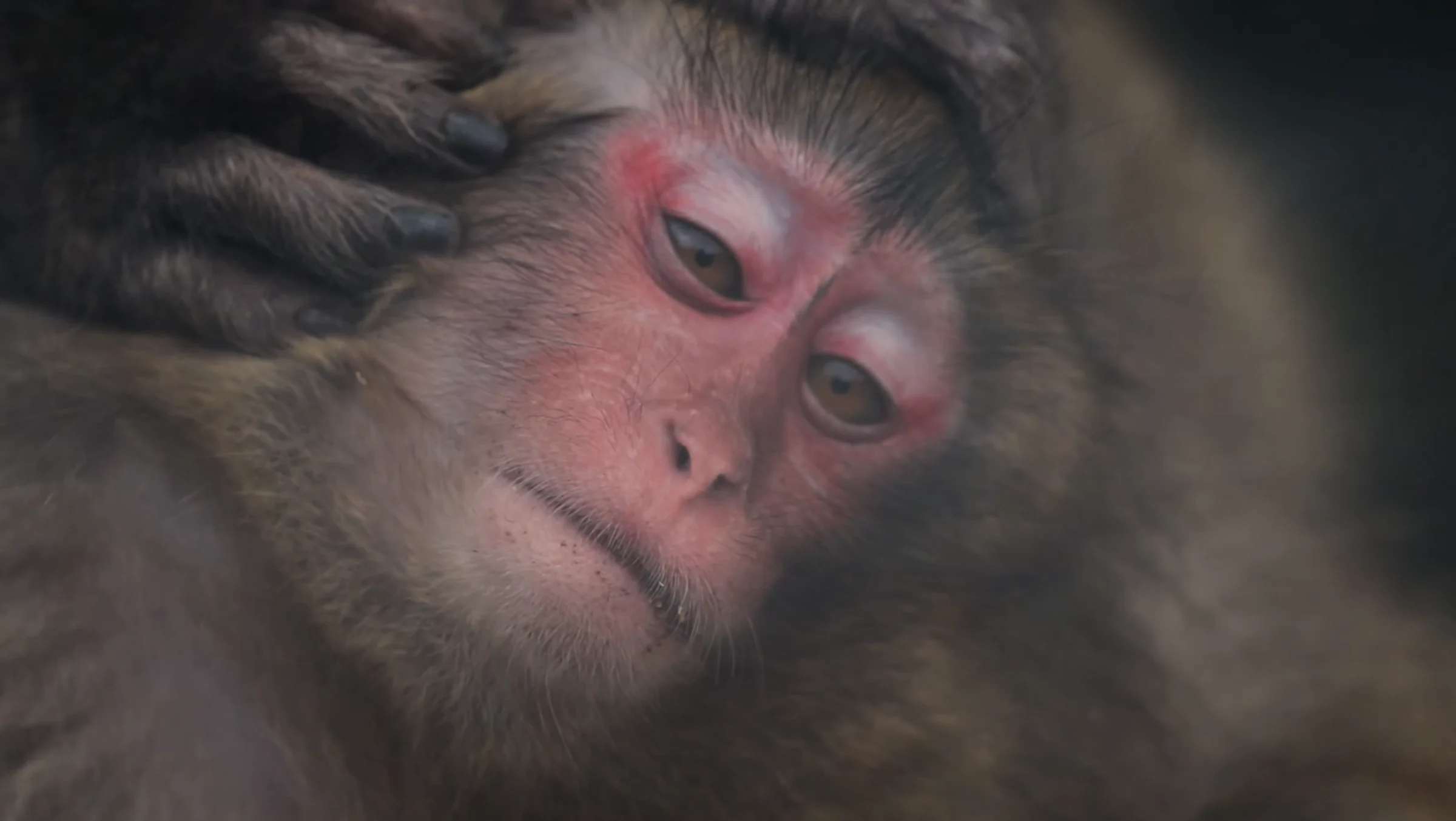
The troop is wild and free to leave. It almost never does. Sixty years of habit keeps it at the pool.
The Park and Monkeys
Photography Tips
The monkeys are close and unbothered. The enemies are steam, cold batteries, fogged glass, and the crowd.