Luxury Ryokan Nagano
The luxury version of a snow monkey trip is a fine ryokan night: a room with a private open-air bath, a multi-course kaiseki dinner, and the park at opening the next morning — rural Japan at its most polished.
On this page
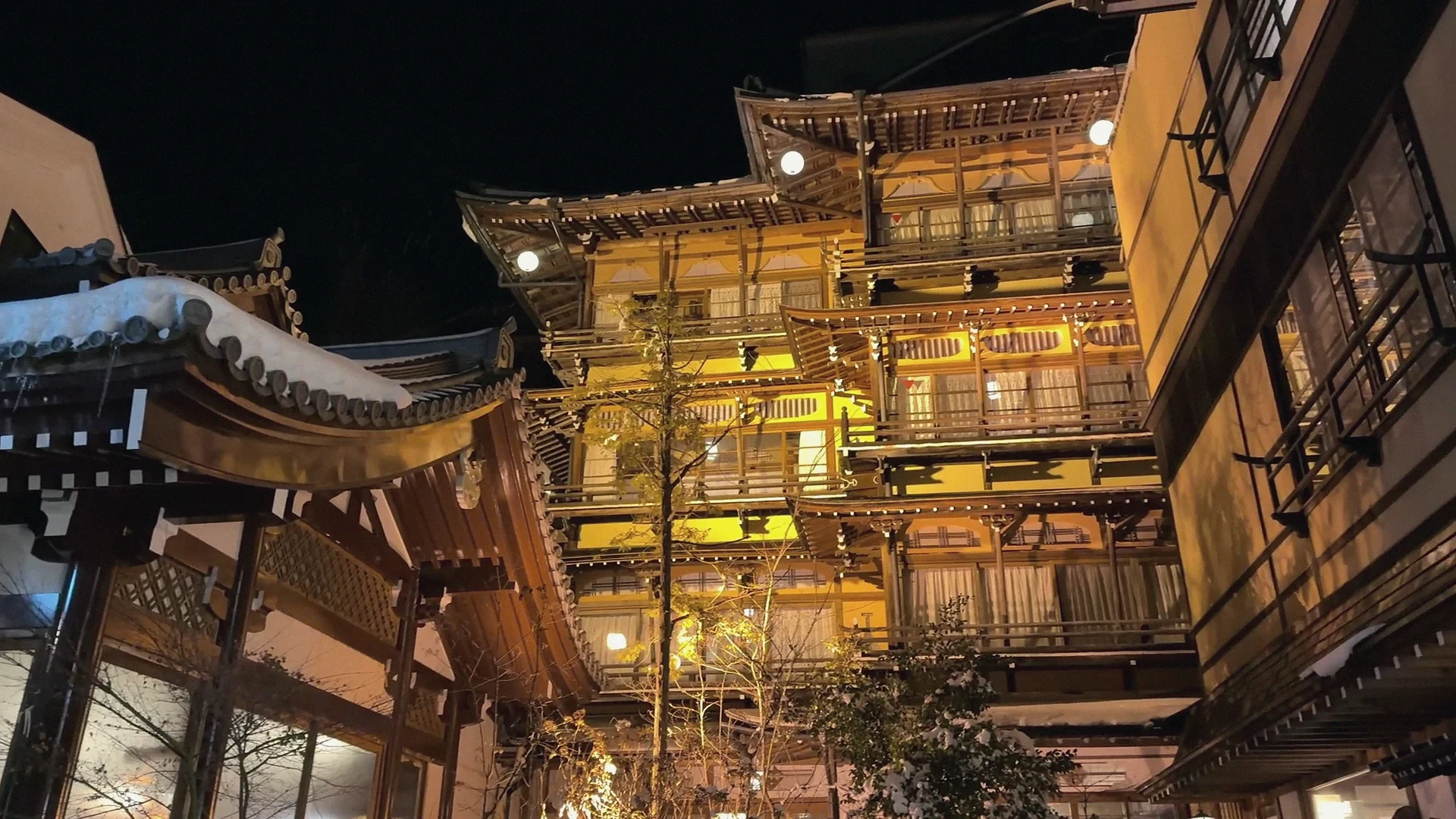
Luxury near the Snow Monkey Park does not look like a marble lobby. It looks like a centuries-old wooden inn where dinner arrives course by course, the bath on your balcony steams against falling snow, and the famous monkeys are a ten-minute shuttle ride away. If you want the comfortable version of this trip, here is what the top of the market offers and how to choose.
What Defines a Luxury Ryokan Here
In Shibu Onsen and Yudanaka, the premium tier is defined less by size than by three things: a private bath — ideally an in-room or rooftop rotenburo fed by the same mineral springs as the village bathhouses; the meals — a seasonal kaiseki dinner of eight to twelve small courses, often featuring Shinshu beef, mountain vegetables, and local sake, plus a traditional breakfast; and service — a level of quiet attentiveness that turns an overnight stop into the memory of the trip.
What It Costs
Expect premium rooms at the area's best inns to run several times the price of a standard ryokan room, typically charged per person with dinner and breakfast included. Winter weekends and the New Year period book out months in advance and command the year's highest rates. Midweek stays in January or February offer the same snow with noticeably softer pricing.
How It Pairs with the Monkeys
The luxury stay solves the snow monkey trip's main timing problem. Many higher-end ryokan run morning shuttles to the Kanbayashi trailhead, putting you on the forest trail before the day-trip crowds arrive from Tokyo. You watch the troop in the morning quiet, then return to a late breakfast and one more soak before checkout — the rhythm our overnight itinerary is built around.
Choosing Well
Confirm the bath situation. "Private bath" can mean in-room, reservable, or shared-by-floor — ask which.
Check the dinner. Kaiseki is the point; confirm it is included and communicate dietary restrictions at booking, not at the table.
Ask about the shuttle. A monkey park drop-off in winter is worth real money in saved logistics.
Stay in the villages, not the city. For this trip, an atmospheric village inn outperforms a polished but generic hotel forty minutes away in Nagano.
Rates, inclusions, and shuttle services vary by inn and season; confirm details directly when booking.
What the Price Actually Buys
A premium ryokan rate is quoted per person, not per room, and it almost always includes dinner and breakfast. Travellers comparing it against a hotel nightly rate are comparing the wrong numbers. Read it as room, plus a serious dinner, plus breakfast, plus unlimited access to the baths.
Four things separate the top tier from the middle, and only the first is truly expensive to provide.
A private open-air bath. A rotenburo on your own balcony or terrace, fed from the same spring as the communal baths. This is the single clearest marker of the premium tier and the thing most worth paying for in winter, when the appeal of sitting in hot water in falling snow is entirely the point.
Dinner served in your room, or in a private dining room. At the middle tier you eat in a shared hall on a fixed schedule. At the top you eat where you are staying, at a time closer to your choosing.
Space, and the number of rooms. The most sought-after inns are small, sometimes fewer than fifteen rooms. You are paying partly for the absence of other guests.
Attention. Someone knows your name, your dinner timing, and when you went out. It is quiet rather than performed, and it is the hardest part to photograph, which is why it rarely shows up in listings.
Dinner Is Half the Experience
If you book a fine ryokan and treat dinner as an inconvenience, you have overpaid considerably.
Kaiseki is a sequence of small courses built around what the season is actually producing, served in a set order and on ceramics chosen for it. In this part of Nagano that tends to mean mountain vegetables, river fish, local mushrooms in autumn, and beef. It arrives over one to two hours, and it is not designed to be rushed.
A few things worth knowing before you sit down.
Dinner times are fixed, commonly in the early evening. Confirm your seating when you book, and tell the inn if your train is delayed.
Dietary requirements need advance notice, not an on-the-night request. Vegetarian, and especially vegan, is genuinely difficult in a traditional kaiseki kitchen where dashi is in almost everything. Ask when booking, and be specific. Most inns will try, but they need the time.
Breakfast is Japanese by default: grilled fish, rice, miso, pickles, egg. Some inns offer a Western alternative if you ask in advance. It is worth trying the Japanese one at least once, because it is part of what you came for.
When to Go, and What It Costs You to Get It Wrong
Winter is the reason most people come, and it is also the reason the best rooms are hard to get.
January and February are peak. The monkeys are at their most photogenic, the snow is deep, and the rooms with private open-air baths are booked months out. If a specific inn matters to you, book early and be flexible on the day of the week.
New Year is its own category. Rates rise, minimum stays appear, and the whole country is travelling.
Autumn is the quiet argument for going in October or November. The mountain colour in this part of Nagano is genuinely excellent, the baths are just as good, and the pressure on rooms is lower.
Green season, roughly May to September, is the value window. The monkeys are still there every day, the valley is lush rather than white, and you can often get the room you actually wanted.
Booking directly with the inn is frequently the better route at this end of the market. The best rooms are not always released to third-party platforms, and a direct email lets you specify what you want, which is usually a room with its own bath.
Is It Worth It
Honestly, it depends on what you came for.
If you are here to see the monkeys and move on, a comfortable, well-located room does that job, and the money is better spent elsewhere in your trip.
If the onsen is the point, and the monkeys are the excuse, then a fine ryokan is not an indulgence bolted onto the trip. It is the trip. A night in a good inn is one of the more complete things travel in Japan offers: you arrive in the afternoon, change into a yukata, bathe, eat for two hours, bathe again, sleep on the floor, wake early, bathe a third time, and walk out to see wild monkeys doing more or less the same thing.
That is the version people remember. The park at opening the next morning, ten minutes away, is the part that makes it make sense.

Verified by The Japan Onsen Society
1. 山ノ内町役場 (Yamanouchi Town official onsen list) — Municipal record: park access, walking times, climate and setting.
2. Go! NAGANO (Nagano Prefecture Tourism) — Prefectural official guide: access legs, hours, area detail.
3. 地獄谷野猿公苑【公式】 (Jigokudani Monkey Park, official) — The park's official account: opened 1964, elevation, bathing behavior, admission, conduct.
4. 長野電鉄 (Nagano Electric Railway) — Railway official: Snow Monkey Pass, fares, ticketing.
Verified July 7–16, 2026
Related guides
Where to Stay
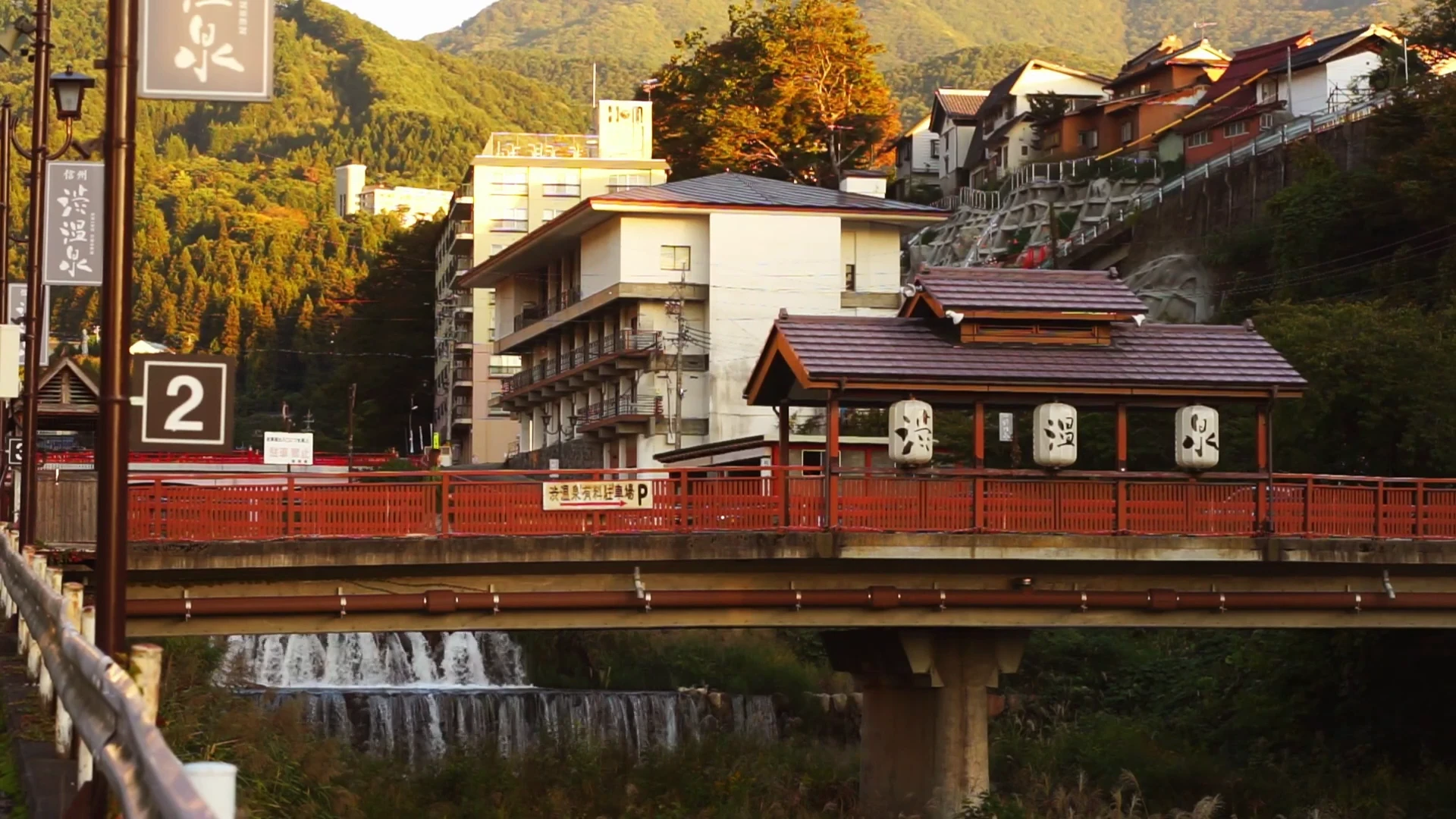
Shibu Onsen Guide
Nine public baths, wooden inns, and a stone street you walk in a yukata.

Where to Stay
Yudanaka Onsen Guide
The station town, closer to the trains and easier on the budget.
Where to Stay
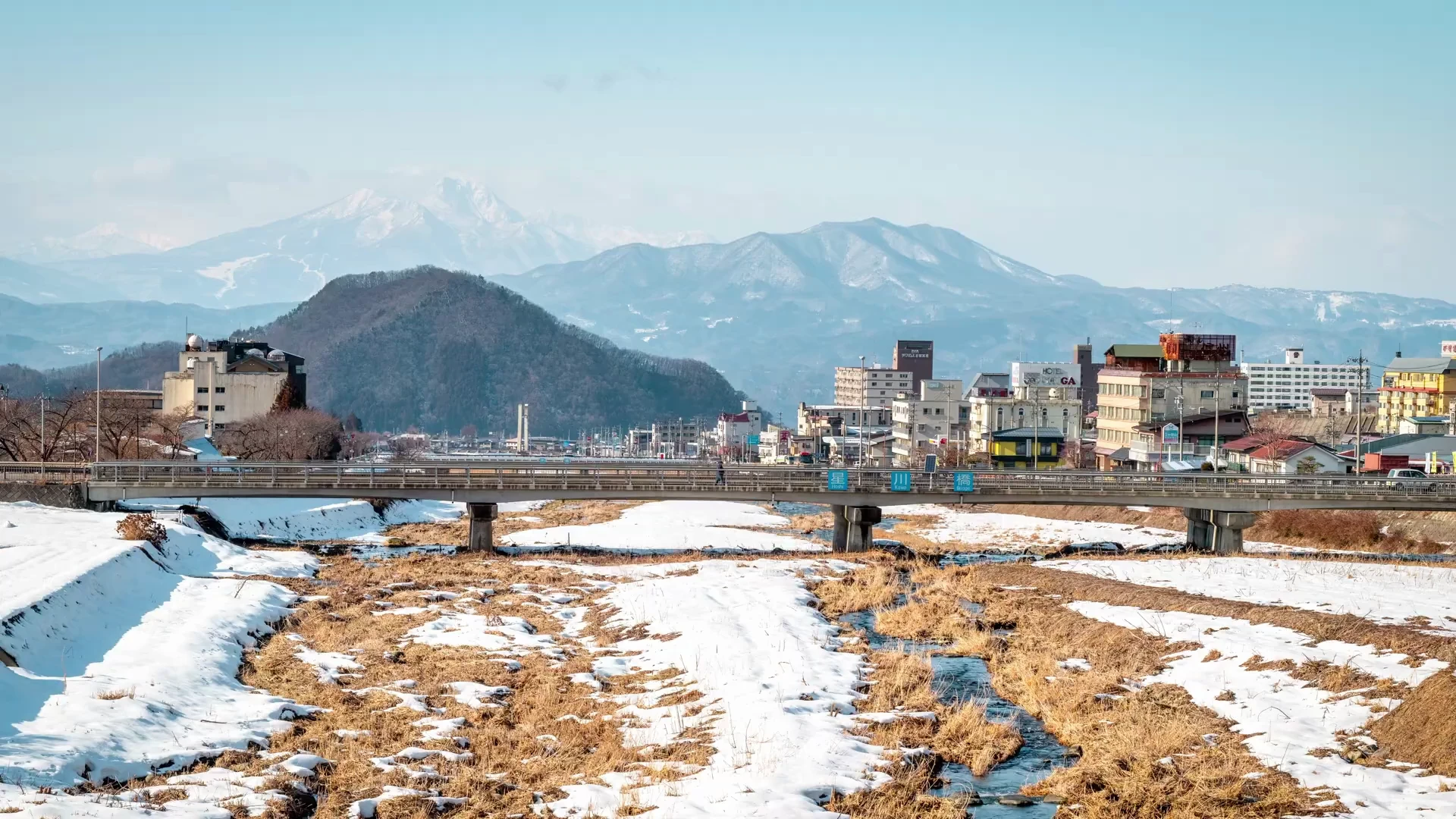
Where to Stay Near Snow Monkey Park
Shibu, Yudanaka, or Nagano city. Where to sleep, and why.