Tattoo Friendly Onsen
Japan's onsen tattoo taboo is real but navigable. Around the Snow Monkey Park, your best tools are ryokan with private or reservable baths, Shibu Onsen's guest-key bathhouses, and a polite question at check-in.

On this page
Japan's complicated relationship with tattoos meets its bathing culture head-on at the onsen door, and travelers with ink routinely worry the hot spring half of a snow monkey trip is off-limits. It is not — the monkeys, after all, bathe with no questions asked. With a little planning, you can too.
Why the Rule Exists
The traditional ban on tattoos in public baths dates to their historical association with organized crime. At most rural onsen the rule survives as custom rather than conviction, and attitudes toward visibly foreign guests with decorative tattoos have relaxed considerably. But policy is set inn by inn and bath by bath, so the practical question is never whether Japan allows tattooed bathing — it is what the specific bath in front of you prefers.
Your Three Reliable Options
1. Private baths (kashikiri). Many ryokan in Shibu Onsen and Yudanaka offer private baths that guests reserve by the half hour or hour, and some rooms come with their own rotenburo. Inside a private bath, tattoo policies are irrelevant. If your ink is extensive, booking an inn with kashikiri baths is the zero-stress play.

Each sotoyu is numbered and named.
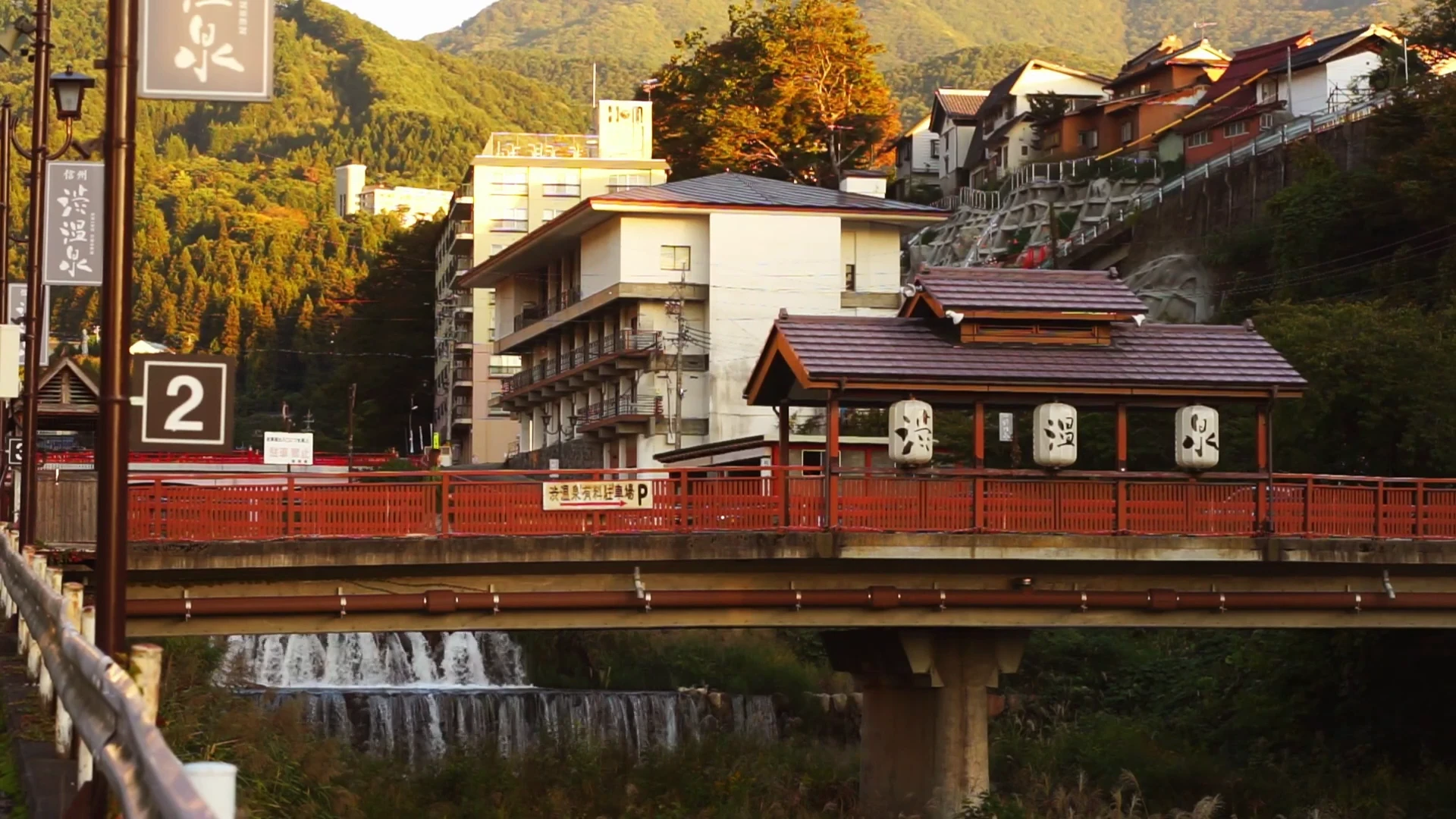
2. Shibu Onsen's sotoyu bathhouses. The village's nine public bathhouses are unlocked by a wooden key lent to ryokan guests. They are small neighborhood baths, frequently empty in the early morning or late evening, and the village has long been accustomed to international visitors walking the bathhouse circuit. Discretion and off-peak timing make this very workable for modest tattoos.
3. Ask at check-in. The least-used and most effective tool. A simple, polite question — or an email before booking — gets you a clear answer and often a helpful accommodation, such as a suggested quiet hour. Inns would much rather be asked than surprised.
Cover Stickers
For small tattoos, skin-tone cover stickers (sold online and at some Japanese pharmacies) satisfy the letter of the rules at many baths. They are a reasonable solution for a name on a wrist; they are not a solution for a full sleeve.
The Etiquette That Actually Matters
Whatever your skin looks like, the universal onsen rules carry more weight: wash thoroughly before entering, keep towels out of the water, keep your voice down, and never photograph a bath. A tattooed guest who bathes impeccably will be welcome in far more places than the rules on paper suggest.
Policies change and vary by establishment; confirm directly with your ryokan or bathhouse before you visit.
Why the Rule Exists
The tattoo restriction at Japanese baths is not aimed at foreign visitors, and understanding that makes the whole subject easier to navigate.
The convention comes from a domestic association between tattoos and organised crime, and the rule was written to keep that element out of shared bathing spaces. It is a house rule, not a law, and it was never designed with a visitor's shoulder piece in mind.
Two things follow from that. First, it varies enormously. Enforcement is a decision each property makes, and attitudes have softened noticeably as inbound travel has grown. Second, it is rarely personal. Staff enforcing it are following a policy, not making a judgement about you, and a polite question is almost always received politely.
The Approach That Always Works: Book a Private Bath
If you have tattoos of any size and you want to be certain, this is the answer. Everything else is a question of degree.

A private bath removes the question entirely.
A kashikiri is a private bath reserved for your exclusive use, usually for forty five minutes to an hour. Same water, same source, no other bathers, and therefore no policy to navigate. Many inns have one or two, sometimes bookable at the front desk on arrival and sometimes reserved in advance.
Better still, book a room with its own bath. A guest room with a private open-air rotenburo removes the question entirely. You bathe on your own balcony, as often as you like, at whatever hour you like. It is the premium option, and for a heavily tattooed traveller it converts an anxious trip into a relaxed one.
Both approaches share one advantage worth stating plainly. You are not asking permission, and you are not hoping to go unnoticed. You have simply booked a bath that is yours.
Cover Stickers, and When They Help
Waterproof cover patches are sold widely in Japan and online, and they are a legitimate tool rather than a trick. Some properties explicitly permit tattoos if they are covered.
They work well for small, isolated tattoos. A wrist piece, an ankle, something the size of a business card. They do not work for a sleeve, a back piece, or anything that would need several patches to conceal, and attempting it tends to be more conspicuous than the tattoo.
Buy them before you travel if your tattoo is an unusual shape, and take more than you think you need. They are single use, and you will bathe more often than you expect.
How to Ask, and What to Say
Asking directly is far better than arriving and hoping. It takes one sentence, and it settles the matter before you have unpacked.
Ask when you book, by email, in simple English. Something close to: "I have a tattoo. Is bathing possible, or do you have a private bath I can reserve?" This is a completely normal question and inns receive it regularly.
If you would rather ask in Japanese, this is the phrase:
入れ墨がありますが、入浴できますか。
Irezumi ga arimasu ga, nyūyoku dekimasu ka.
"I have a tattoo. May I bathe?"
And to ask about a private bath:
貴切り風呂はありますか。
Kashikiri-buro wa arimasu ka.
"Do you have a private bath?"
If the answer is no, accept it easily and ask about the private option. Pushing is the one thing that turns a soft policy hard, both for you and for the traveller behind you.
Planning Around It
A tattooed traveller can do this entire trip comfortably. It takes one decision made early rather than several made at the front desk.

Plan the bath before you plan the day.
Decide before you book, not after. A room with a private bath, or an inn with a reservable kashikiri, removes the issue for the whole stay.
Assume public bathhouses are stricter. Shared village bathhouses tend to follow the convention more closely than individual inns, which have more latitude with their own guests.
Bring covers for the small pieces, even if you have booked a private bath. They cost little and widen your options.
Ask in writing when you reserve. You get a clear answer, in advance, without standing in a lobby.
Nothing about the monkeys is affected. Jigokudani is an outdoor park with clothed visitors. The tattoo question applies only to bathing.

Verified by The Japan Onsen Society
1. 山ノ内町役場 (Yamanouchi Town official onsen list) — Municipal record: park access, walking times, climate and setting.
2. Go! NAGANO (Nagano Prefecture Tourism) — Prefectural official guide: access legs, hours, area detail.
3. 地獄谷野猿公苑【公式】 (Jigokudani Monkey Park, official) — The park's official account: opened 1964, elevation, bathing behavior, admission, conduct.
4. 長野電鉄 (Nagano Electric Railway) — Railway official: Snow Monkey Pass, fares, ticketing.
Verified July 7–16, 2026
Related guides
Where to Stay
Shibu Onsen Guide
Nine public baths, wooden inns, and a stone street you walk in a yukata.

Where to Stay
Yudanaka Onsen Guide
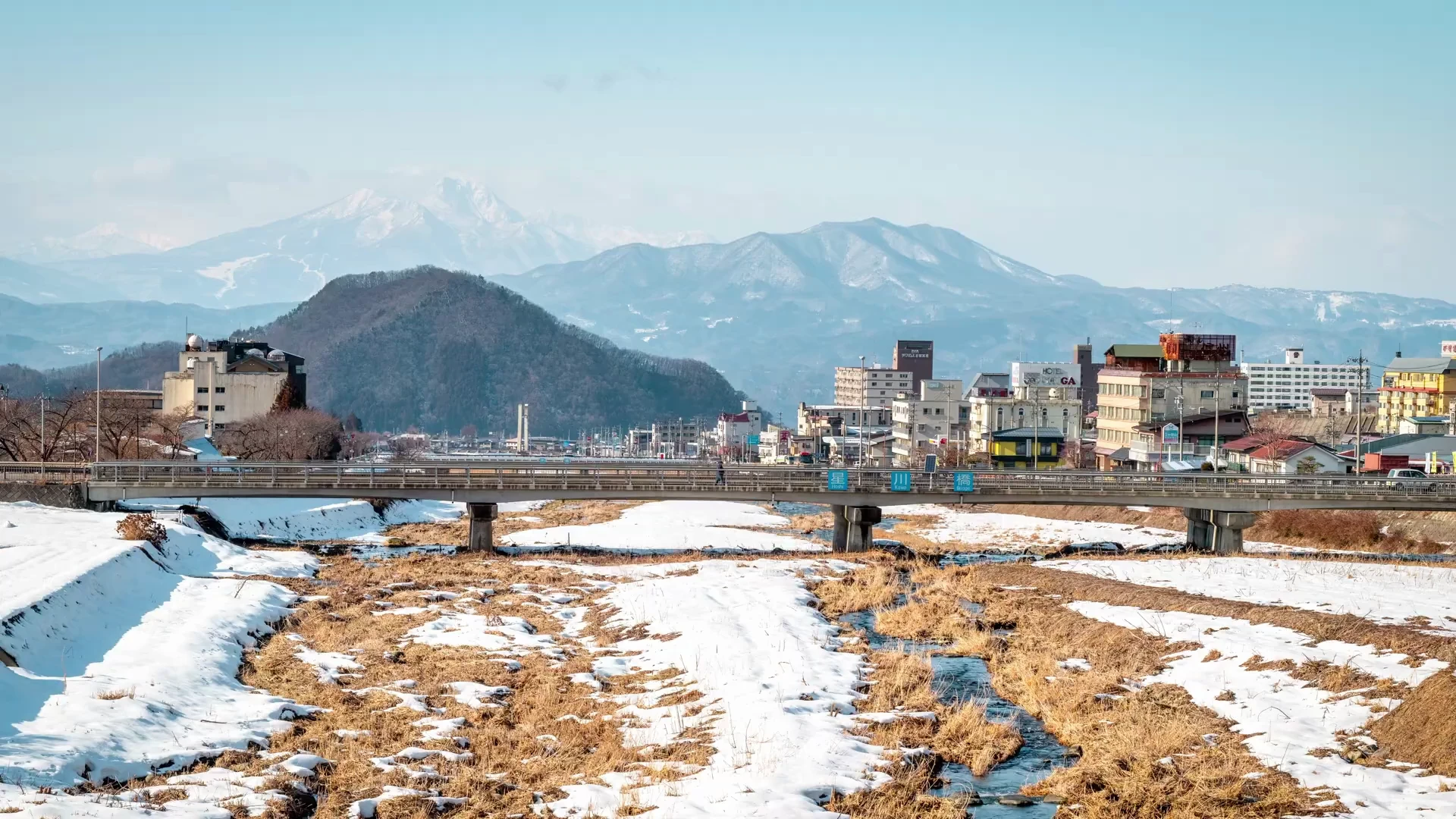
The station town, closer to the trains and easier on the budget.
Where to Stay
Where to Stay Near Snow Monkey Park
Shibu, Yudanaka, or Nagano city. Where to sleep, and why.