On this page
Quick answer
January is the single best month: reliable snow, temperatures locked below freezing, and monkeys treating the hot spring as the only sensible place to spend a day. Every famous photograph was, in all likelihood, taken in conditions January provides daily.
If you can pick any month for the Snow Monkey Park, pick January. The valley is locked in genuine cold, snow lies deep on the rocks around the pool, and the macaques treat the hot spring as the only sensible place to spend a day. Every famous photograph of red faces in steaming water against white snow was, in all likelihood, taken in conditions January provides daily.
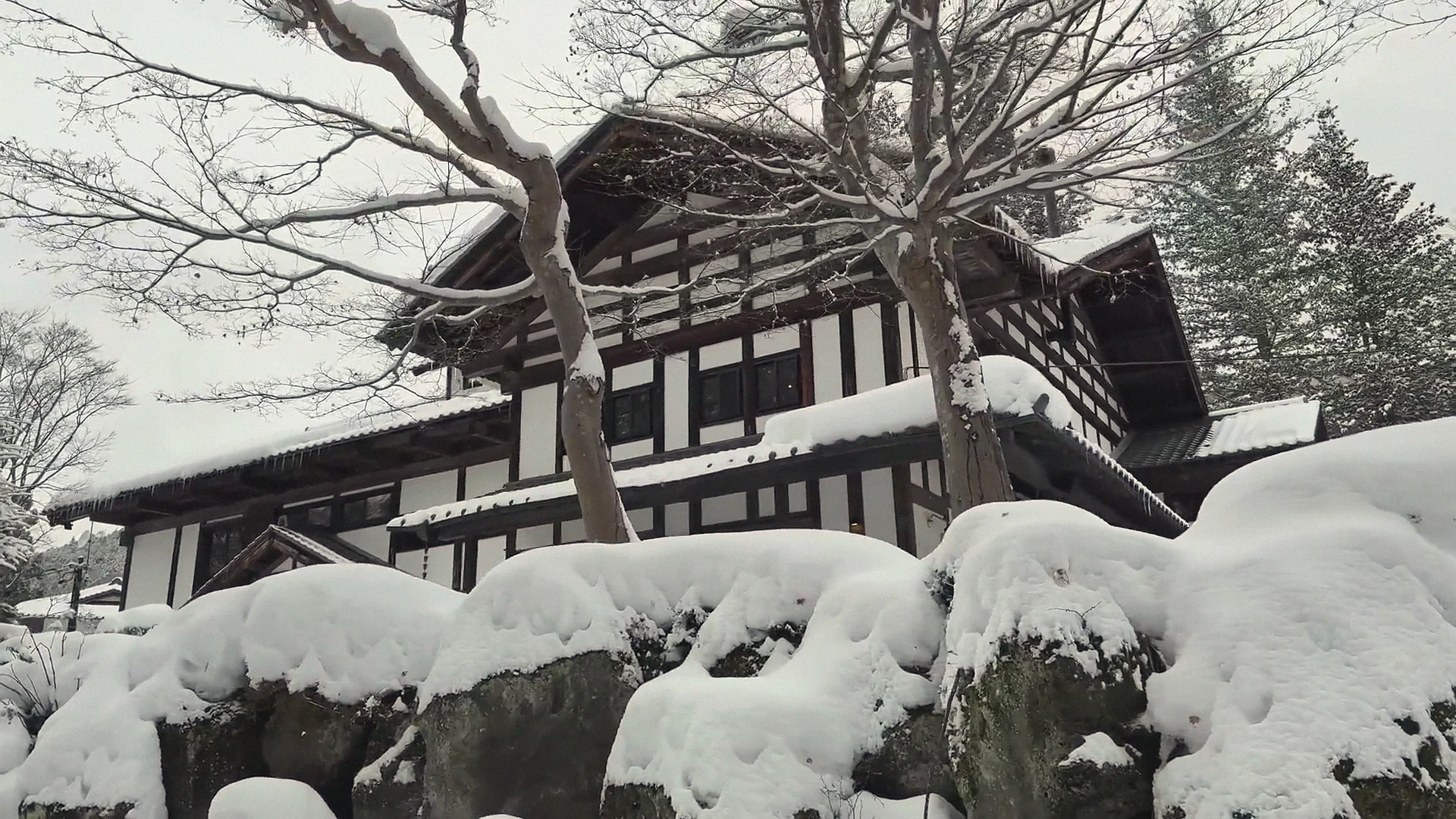
Heavy snow blankets a traditional timber building in the valley — the deep-winter face of snow-monkey country.
Conditions: Deep Winter, Delivered
Expect midwinter in full: daytime temperatures between minus 5 and minus 15 degrees Celsius, regular snowfall, and a 1.6 km (~1 mi) approach trail of packed snow and ice. The cold is not a drawback to be endured — it is the engine of the entire experience. Cold air is what fills the pool with monkeys, generates the billowing steam, and keeps the snow crisp on their fur. The colder the forecast, the better the day. Proper boots, ice grips, and serious layers are mandatory; see what to wear in winter.
Winter hours run roughly 9:00 AM to 4:00 PM, and mountain daylight fades early. Plan your visit for the morning, both for light and for monkey activity.
Monkey Activity: As Good as It Gets
January is the most reliable month of the year for hot-spring bathing. After cold nights, the troop descends to the pool soon after opening, and on properly cold days a dozen or more macaques soak at a time while others groom and squabble on the surrounding rocks.
The full troop numbers around 160; you will typically see several dozen during a visit. No wild-animal sighting is ever guaranteed, but January at Jigokudani is about as close as wildlife viewing comes.
Crowds: A Month of Two Halves
The first few days of January belong to the Japanese New Year holiday — the busiest, most crowded window on the park's calendar. Trains run full, the viewing area packs out by mid-morning, and patience becomes part of the photography.
From roughly January 4th onward, the holiday surge dissipates while conditions remain flawless. Mid-to-late January, midweek, arriving at opening: that is the connoisseur's slot, and it is as good as this place gets. Weekends stay busy all month thanks to the ski season at nearby Shiga Kogen.
Photography in January
Steam is thickest in the coldest air, snowfall adds depth, and overcast January skies act as a giant softbox on the monkeys' faces. The first two hours after opening combine the best light, the most bathing, and the fewest people. Full technique notes are in our photography guide.
Making a Trip of It
January is the best month to do this properly: a night in Shibu Onsen or Yudanaka Onsen, an evening in the public baths while snow falls on the stone lanes, and the park at opening the next morning before day-trippers arrive from Tokyo. Book ryokan early — January weekends fill far in advance. Day trips from Tokyo work too; depart by 8:00 AM as outlined in our access guide.
The short version: January asks only that you dress for it. In exchange, it hands you the exact scene you came to Japan to see.
Severe storms occasionally close the trail; check the park's official updates on the morning of your visit.
Frequently asked questions
Is January too cold to enjoy?
When in January is best?

Show all sources
1. 地獄谷野猿公苑【公式】 (Jigokudani Monkey Park, official) — The park's official account: opened 1964, elevation, bathing behavior, admission, conduct.
2. 山ノ内町役場 (Yamanouchi Town official onsen list) — Municipal record: park access, walking times, climate and setting.
Verified July 7–16, 2026
Related guides
Plan Your Visit
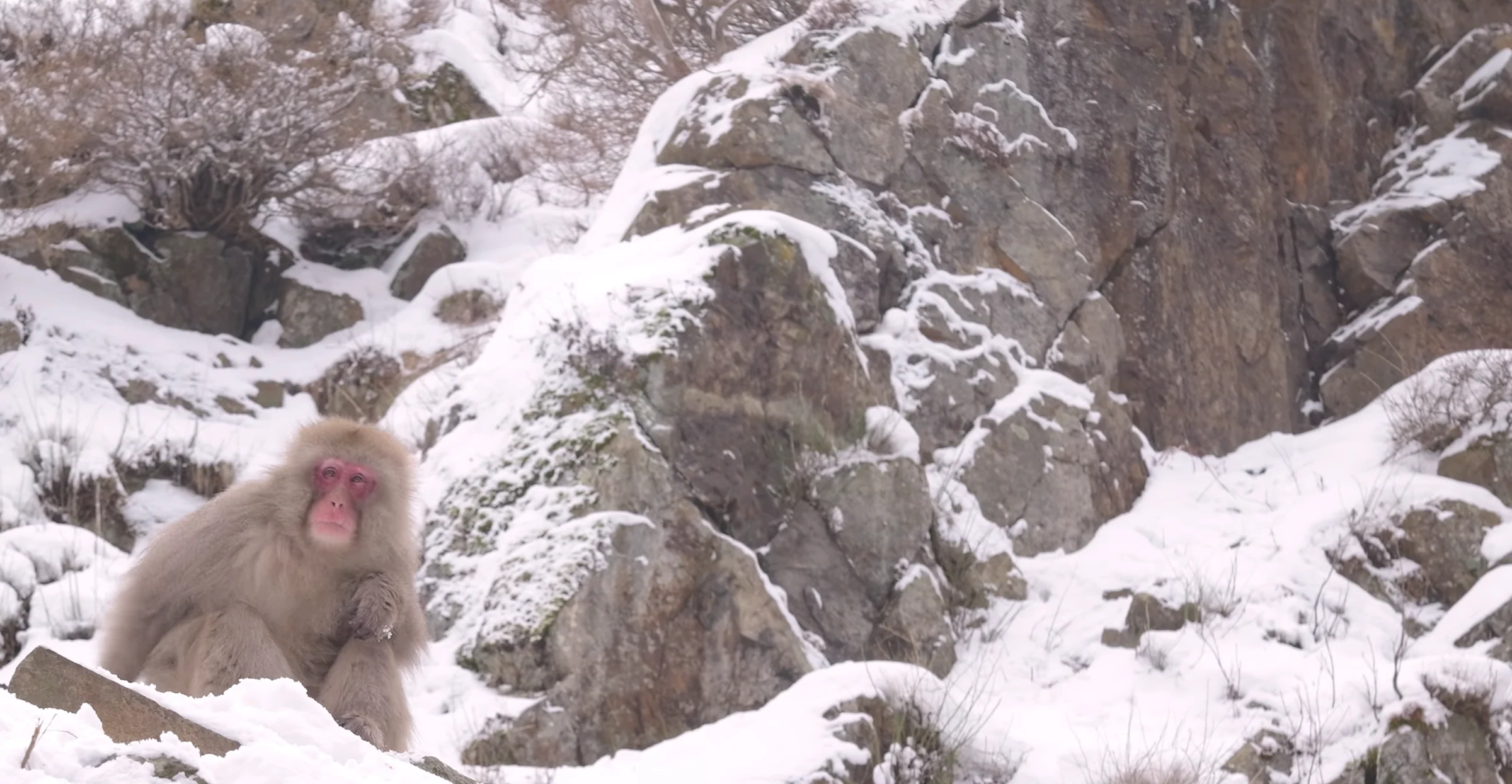
Snow Monkeys in February
February matches January for snow and bathing but loses the New Year crush. Quietly the best month.
Plan Your Visit
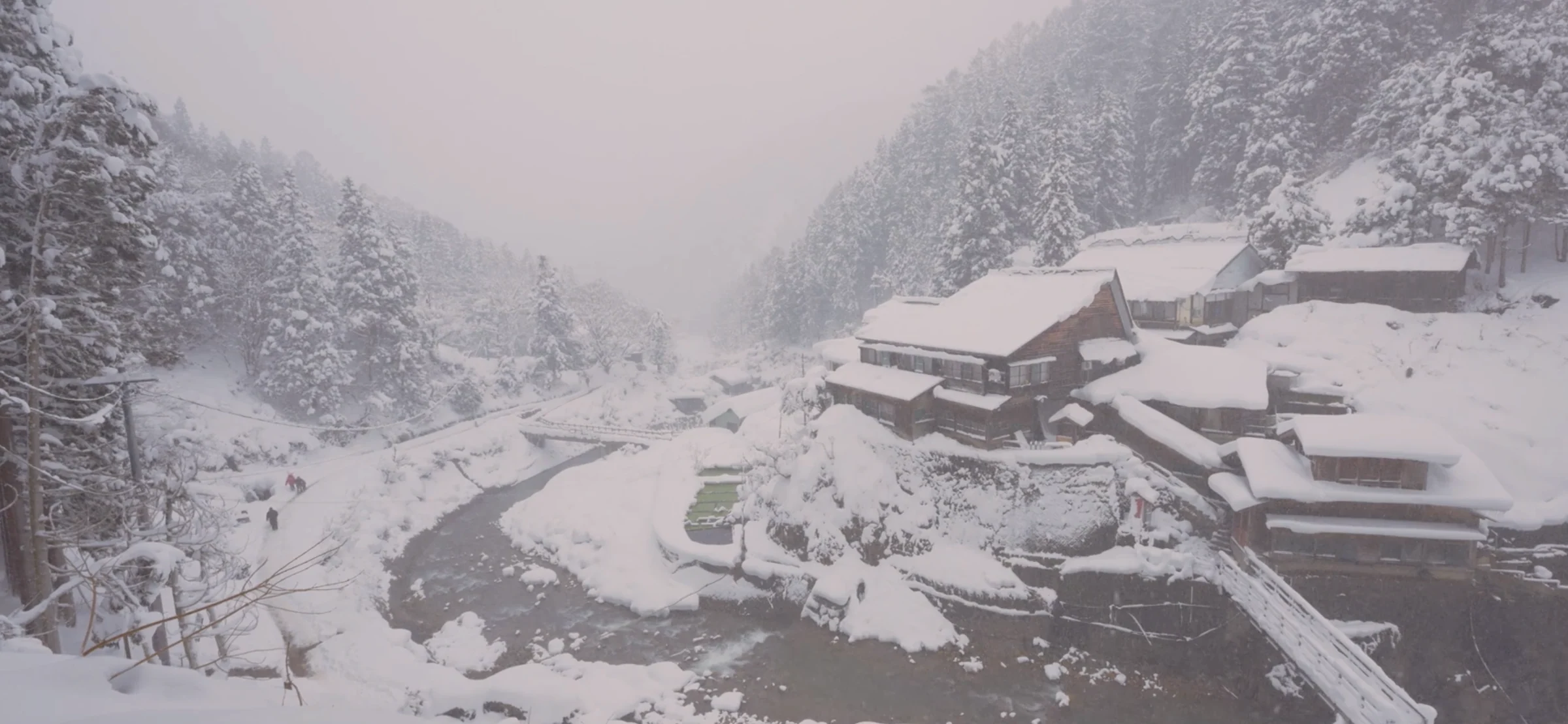
What to Wear in Winter
The valley drops to −15 °C (5 °F) and the trail is packed ice for a mile. Boots matter more than your coat.
Plan Your Visit
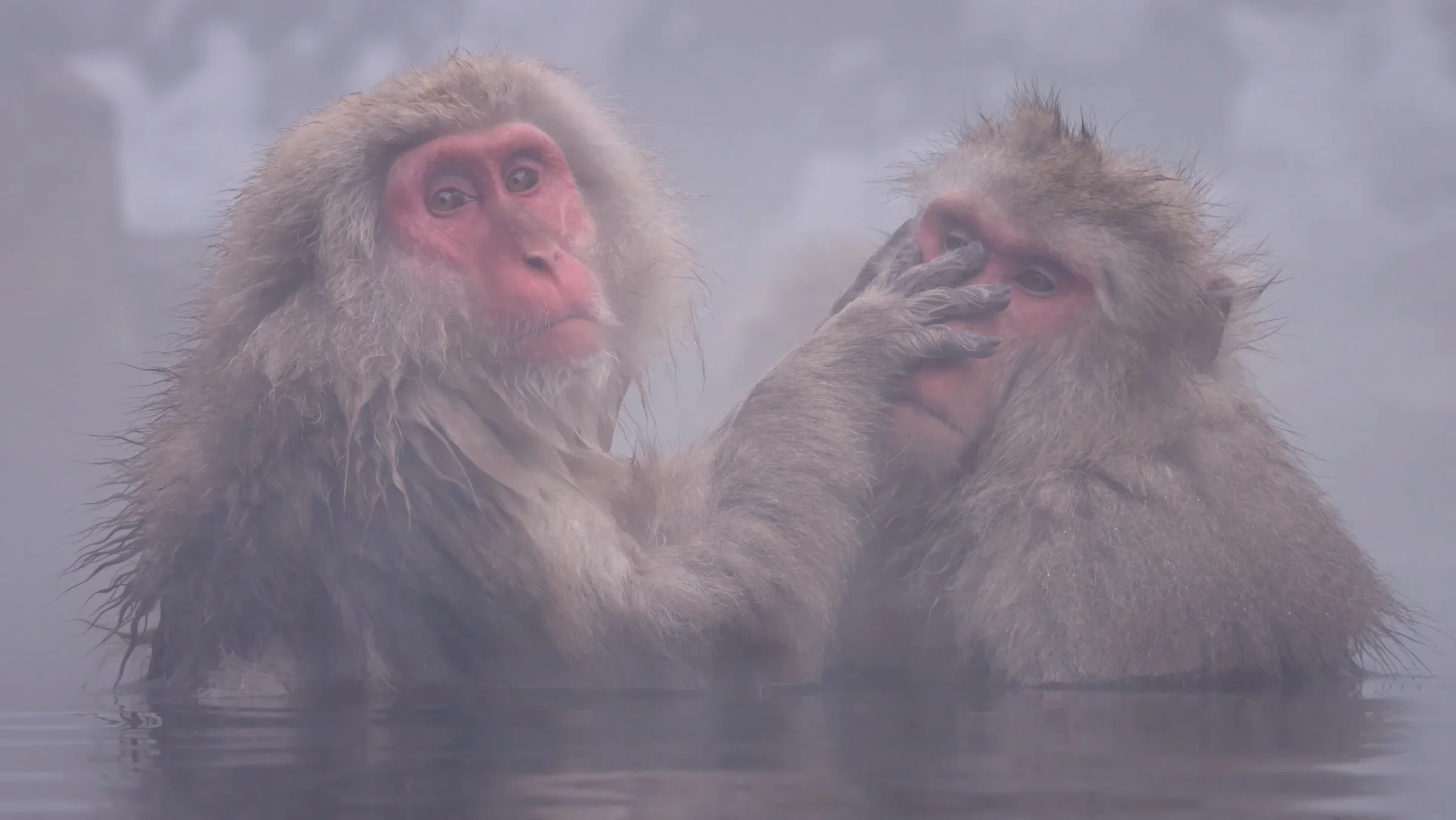
Best Time to See Snow Monkeys
January and February for snow and steam. June for newborns. The monkeys are there every day of the year.