Budget Ryokan
A night near the monkeys does not require a kaiseki budget. Yudanaka and Shibu Onsen have modest family-run ryokan and guesthouses where the same mineral water fills the baths at a fraction of the price.
On this page
The snow monkey trip has a reputation for being either a punishing day trip or an expensive ryokan splurge. There is a third way: the modest end of the village inn market, where a clean tatami room, a real onsen bath, and a five-minute walk to the morning bus cost less than many business hotels in Tokyo.
What Budget Looks Like Here
In Yudanaka and Shibu Onsen, the affordable tier means small family-run ryokan, guesthouses, and hostel-style lodgings. Rooms are simple — futon on tatami, shared toilets at the cheapest places — but the thing you actually came for does not get downgraded: the baths draw from the same volcanic springs as the luxury inns up the street.
How to Cut the Cost Further
Skip the meal plan. Kaiseki dinners are where ryokan bills grow. Book room-only and eat at the villages' casual izakaya and noodle shops.
Stay midweek. Winter weekend and New Year rates jump everywhere; a Tuesday in late January is the same snow for less.
Use the public baths. Guests at participating Shibu inns get the wooden key to the nine sotoyu bathhouses at no charge — arguably the best free attraction in the region.
Compare Yudanaka vs Shibu. Yudanaka, by the station, tends to have more true budget beds; Shibu trades a few hundred yen for considerably more atmosphere.
Why Budget Beats the Day Trip
The cheapest accommodation near the park still buys the thing money otherwise cannot: proximity at dawn. Sleeping locally puts you on the trail for the 9:00 AM opening — the best monkey activity and lightest crowds of the day — while Tokyo day-trippers are still on the shinkansen. Add the saved round-trip stress, and a budget overnight is the value play of the entire trip, as laid out in our overnight itinerary.
What to Check Before Booking
Confirm three things: whether the bath is onsen-fed (most are, but ask), the bus or walking distance to the Kanbayashi trailhead, and check-in cut-off times — small inns lock up earlier than hotels. In winter, pack for the walk regardless of where you sleep; see what to wear.
Prices and offerings change seasonally; confirm directly with the property when booking.
What You Actually Give Up, and What You Don't
The word budget does a lot of unhelpful work in Japan. At the modest end of an onsen village it does not mean a compromised version of the experience. It means a smaller room and fewer services around the same water.
What you give up is floor space, and often a private bathroom. Shared toilets and washbasins are normal at the cheapest tier, and they are kept to a standard that would embarrass most Western budget hotels. You may lose the in-room dinner service, the yukata in three sizes, the staff member who walks you to your door.
What you keep is the bath. This is the part travellers get wrong. The onsen at a family-run inn draws from the same geothermal source as the one at the expensive place up the lane. The water does not know what you paid. You also keep the tatami, the futon laid out while you are at dinner, the morning quiet, and the walk to the trailhead.
There is one genuine trade worth naming, and that is the private open-air bath. A rotenburo attached to your own room is the clearest marker of the premium tier, and no amount of clever booking will find you one at the bottom of the market. If soaking alone under falling snow is the thing you came for, that is the upgrade to pay for. Everything else is negotiable.
Shibu, Yudanaka, or Nagano City
Three places to sleep, and the price gap between them is smaller than the experience gap.
Yudanaka sits at the end of the Nagano Dentetsu line, so you step off the train and you are there. It carries the most genuinely inexpensive beds in the area and the shortest walk from the station. It is the practical choice, a working town rather than a scenic one.
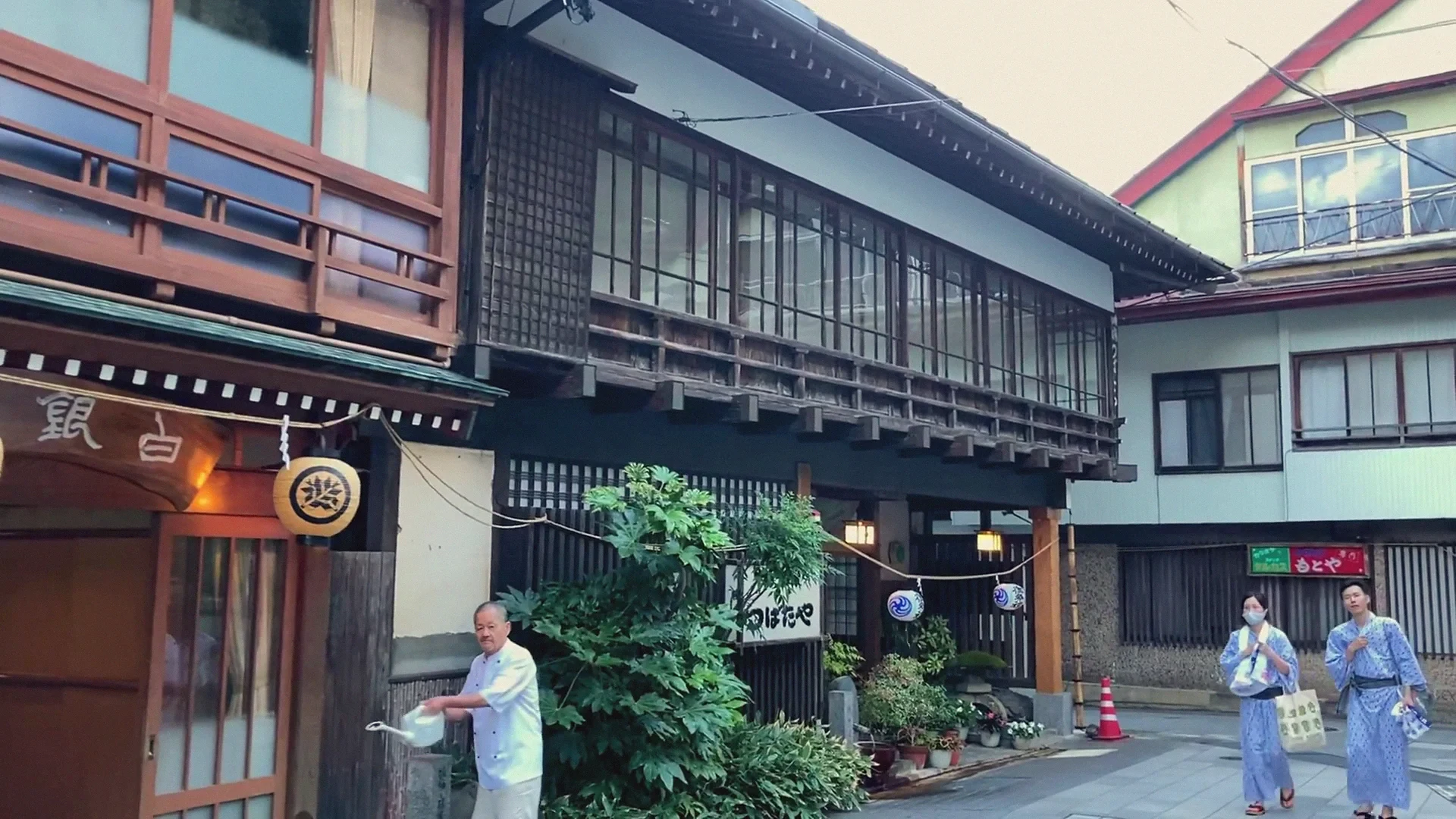
Shibu Onsen is a few minutes further, and it is the reason most people stay overnight at all. Stone lanes, wooden inns three and four storeys tall, and the nine public bathhouses. It costs a little more and returns considerably more atmosphere. If you are staying one night in the area and want it to feel like something, stay here.
Nagano city is the false economy. Rooms are cheaper and there are far more of them, but you are roughly 45 to 70 minutes from Yudanaka by train. That means an early alarm, a paid transfer, and arriving at the park in the mid-morning crush rather than at opening. You save on the room and spend it back in time and monkeys.
The village walk between Yudanaka and Shibu takes about 15 minutes, which is worth knowing. A Yudanaka room does not lock you out of a Shibu evening.
The Meal Question
The biggest lever on a ryokan bill is not the room. It is whether dinner and breakfast are attached to it.
Traditional inns quote per person, with two meals included: a multi-course dinner and a Japanese breakfast. That is the default, and at the premium end it is most of what you are paying for. At the budget end it is often optional, and skipping it can change the total substantially.
Book room-only if you would rather eat in the village, you are travelling on a tight budget, or you are arriving late and would miss the fixed dinner seating anyway.
Book with meals if you are staying one night only, if it is deep winter and you would rather not walk out again in the dark, or if you actually want the kaiseki experience. In that last case it is not a cost, it is the point.
Two practical notes. Village restaurants in Yudanaka and Shibu keep short hours and close early, especially midweek in winter, so arriving at 8pm expecting to find dinner is a plan that fails. And ryokan dinner seatings are usually fixed, often around 6:00 to 6:30pm. If your train gets in late, tell the inn in advance rather than assuming they will hold it.
Booking, and When to Do It
Winter is the constraint. January and February are peak for the snow monkeys, and the affordable rooms in a small village are genuinely limited stock. There are only so many of them. The cheap beds go first and they go early.
Book well ahead for any weekend in January or February, for the New Year period, and for Chinese New Year, when the region fills.
You have more room midweek in December or March, and across the entire green season. The monkeys are at the park every day of the year. The snow is what makes it famous, not what makes it possible.
A note on booking channels. Many small inns list on the usual international platforms, but some of the cheapest and most characterful do not, and take reservations by phone or through Japanese-language sites only. If a place looks empty online in peak season, it may simply not be listed. Email in simple English is usually welcome. Be clear about your date, the number of guests, and whether you want meals.
Cancellation terms at small properties are stricter than you may expect, and often tighten close to the date. Read them before you book rather than after.
Your First Onsen, If This Is Your First
Most of the anxiety about staying at a Japanese inn is about the bath, and it dissolves in about ninety seconds of instruction.
Wash first, thoroughly, at the seated showers before you get in. The bath is for soaking in clean water, not for cleaning yourself. This is the rule that actually matters.
Nothing goes in the water. Not the small towel, not your hair. Tie it up, or rest the towel folded on your head, which is what everyone else is doing.
You bathe without clothing, and baths are separated by gender. Red curtain is typically women, blue is typically men, and they are sometimes swapped between morning and evening.
Go slowly. The water runs hot, commonly in the low 40s °C (around 105 to 110 °F). Sit on the edge first, get in gradually, and get out before you feel you need to.
Drink water afterwards. A long soak dehydrates more than people expect, particularly after a day walking in the cold.
If you have tattoos, that needs its own answer. See our guide to tattoo-friendly onsen in Nagano, which covers the private-bath approach that works everywhere.

Verified by The Japan Onsen Society
1. 山ノ内町役場 (Yamanouchi Town official onsen list) — Municipal record: park access, walking times, climate and setting.
2. Go! NAGANO (Nagano Prefecture Tourism) — Prefectural official guide: access legs, hours, area detail.
3. 地獄谷野猿公苑【公式】 (Jigokudani Monkey Park, official) — The park's official account: opened 1964, elevation, bathing behavior, admission, conduct.
4. 長野電鉄 (Nagano Electric Railway) — Railway official: Snow Monkey Pass, fares, ticketing.
Verified July 7–16, 2026
Related guides
Where to Stay
Shibu Onsen Guide
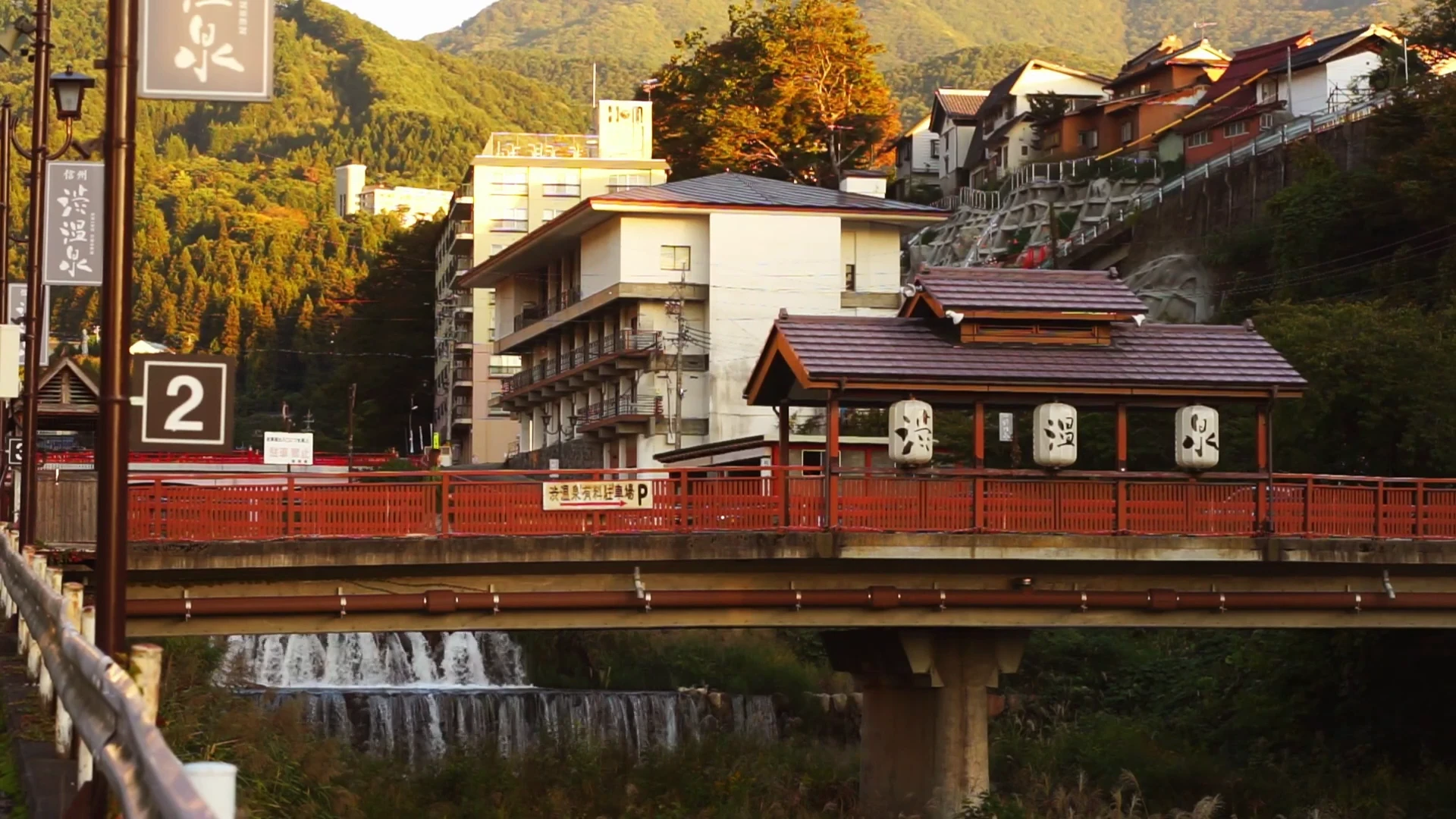
Nine public baths, wooden inns, and a stone street you walk in a yukata.

Where to Stay
Yudanaka Onsen Guide
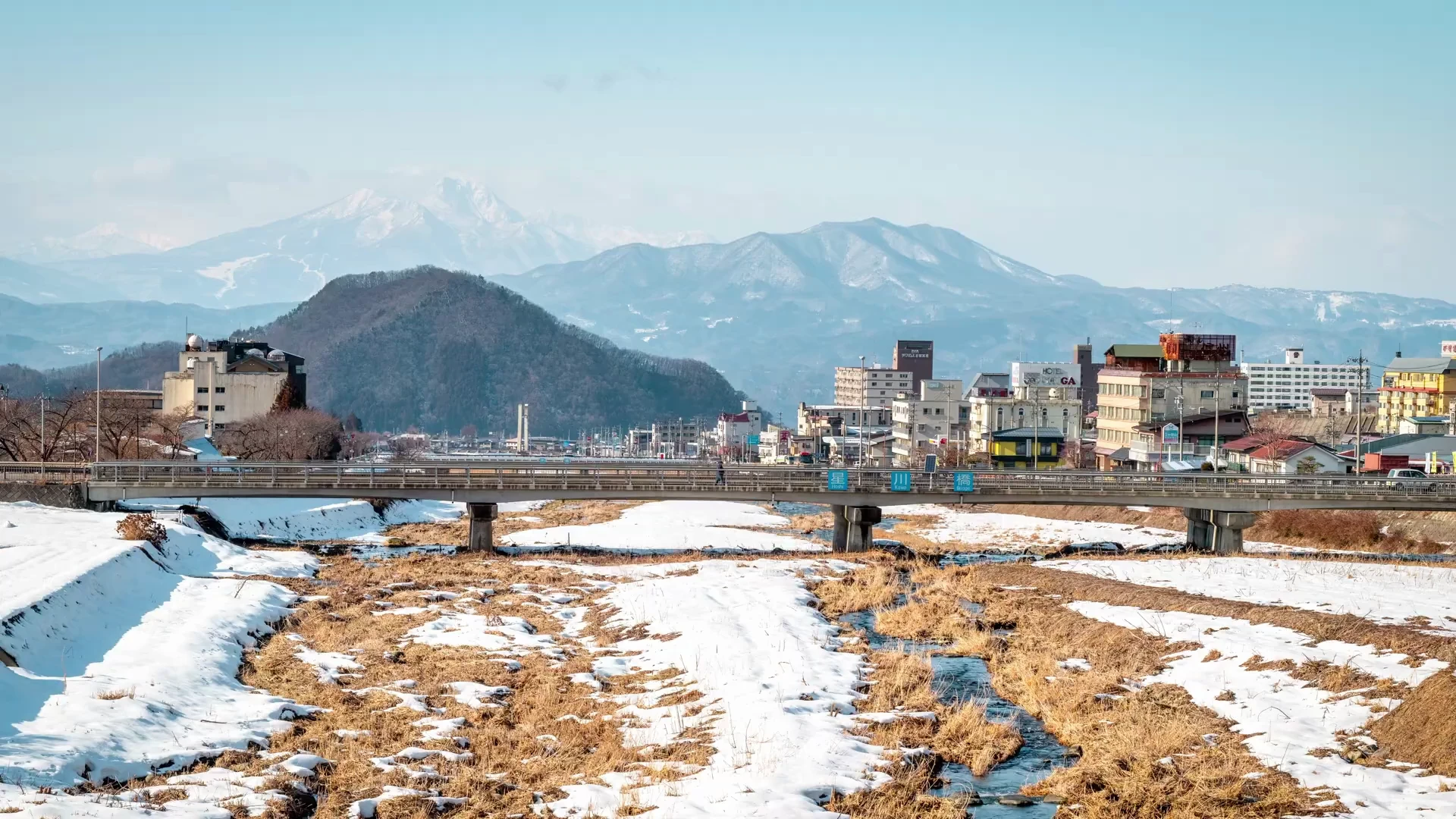
The station town, closer to the trains and easier on the budget.
Where to Stay
Where to Stay Near Snow Monkey Park
Shibu, Yudanaka, or Nagano city. Where to sleep, and why.