On this page
Quick answer
The first two hours after opening — in winter that means arriving at the trailhead around 8:20 for a 9:00 opening. Cold overnight air sends monkeys to the pool early, the light is best in the steam, and the midday tour crowds haven't arrived.
Everyone researches the best season for the Snow Monkey Park; far fewer think about the best hour. Yet within any single day, the difference between arriving at opening and arriving at noon can be the difference between a private audience with bathing macaques and a shoulder-to-shoulder wait for a clear view. The daily rhythm is predictable. Use it.
Morning: The Golden Window
The park opens at roughly 9:00 AM in winter and 8:30 AM in the warmer months, and the first two hours are the best of the day on almost every axis.
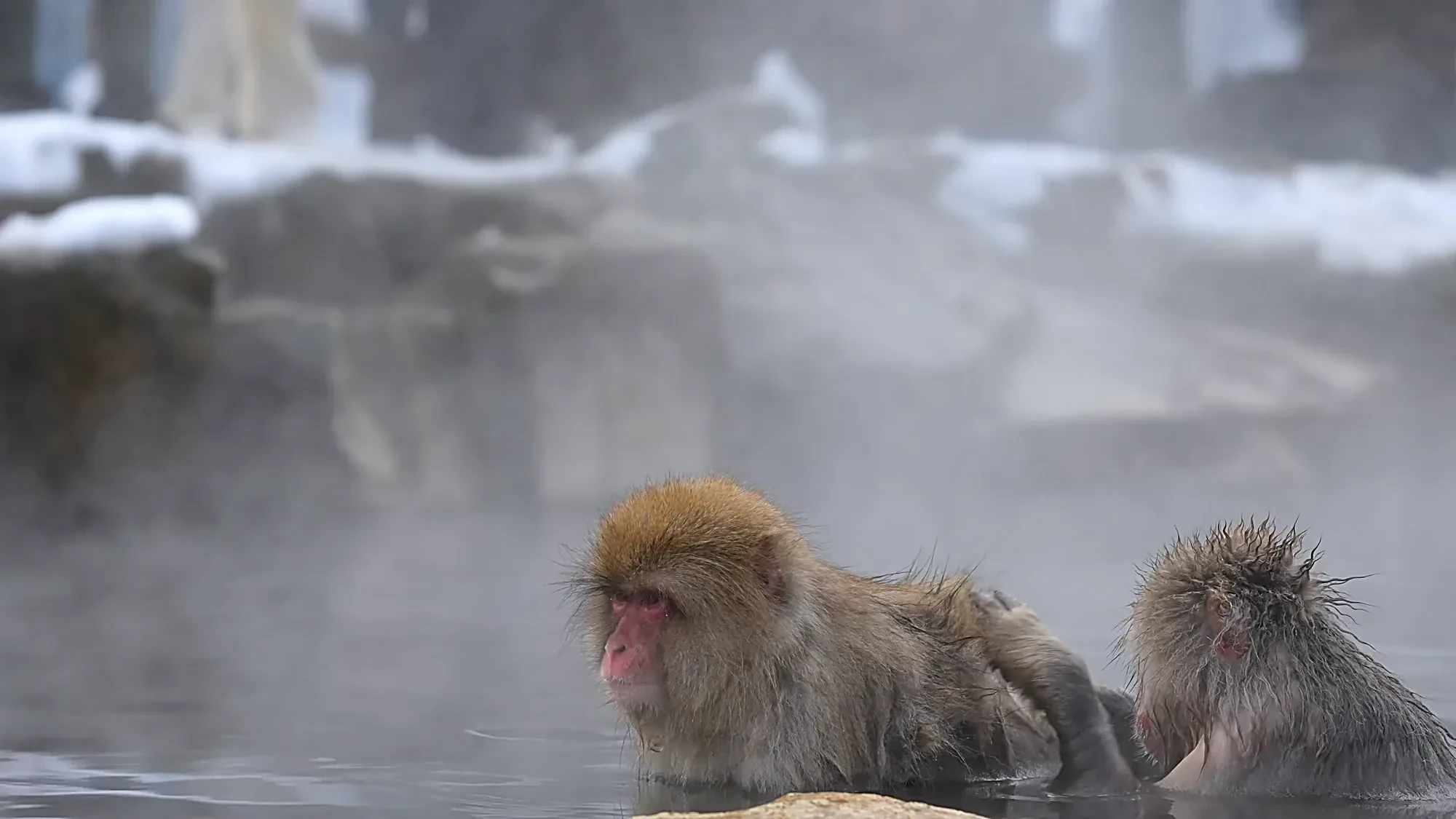
Monkey activity peaks. The troop descends from its forest sleeping sites early, and in winter, cold-stiffened monkeys head for the hot spring soon after arrival — mornings after a frigid night produce the fullest pools of the day. Staff feedings in the morning concentrate the troop in the viewing area.
The light is at its best. Soft, low-angle morning light suits the steam and the monkeys' faces, and photographers get clean working room at the railing. Our photography guide covers the details.
The crowds have not arrived. Day-trip tour buses from Tokyo and Nagano operate on a schedule that lands their passengers at the park from late morning onward. Beat them by an hour and the viewing area belongs to early risers and overnight guests from the local onsen villages.
Midday: The Crush
From roughly 11:00 AM to 2:00 PM — peak season especially — the viewing area fills. Tour groups cycle through on tight schedules, the railing develops queues, and clean photographs require patience. Monkey activity continues (in cold weather the pool stays occupied all day), but the experience shifts from wildlife observation to crowd management. If midday is your only option, the monkeys will still be there; just temper expectations about elbow room. The worst time to visit guide has more on crowd patterns.
Late Afternoon: The Quiet Encore
The final hour before closing — around 3:00 to 4:00 PM in winter — is the day's underrated second act. Tour groups have departed to make their return schedules, light in the valley goes soft and blue, and the troop lingers before retreating upslope for the night. It is less reliable than morning (on some days the monkeys drift off early), but on the right afternoon it can feel like the park after hours. Remember the 25–35 minute walk back; do not cut the closing time fine.
The Overnight Advantage
The structural problem for day-trippers is that everyone's trains deliver them at the same time. Staying in Shibu Onsen or Yudanaka Onsen the night before breaks the pattern: you are at the trailhead before the first bus from Nagano arrives, you get the golden window in full, and you are back at the ryokan for a hot bath and breakfast as the tour crowds walk in. It is the single biggest upgrade available to this trip.
The Schedule, Condensed
Opening +2 hours: best activity, best light, fewest people. Aim here.
11:00–14:00: busiest window; fine for sightings, tough for photographs.
Final hour: quiet, atmospheric, slightly less dependable.
Opening hours shift seasonally and with weather; confirm the day's schedule on the park's official site.
Frequently asked questions
Is late afternoon good?
How early should I leave Tokyo?

Show all sources
1. 地獄谷野猿公苑【公式】 (Jigokudani Monkey Park, official) — The park's official account: opened 1964, elevation, bathing behavior, admission, conduct.
Verified July 7–16, 2026
Related guides
Plan Your Visit
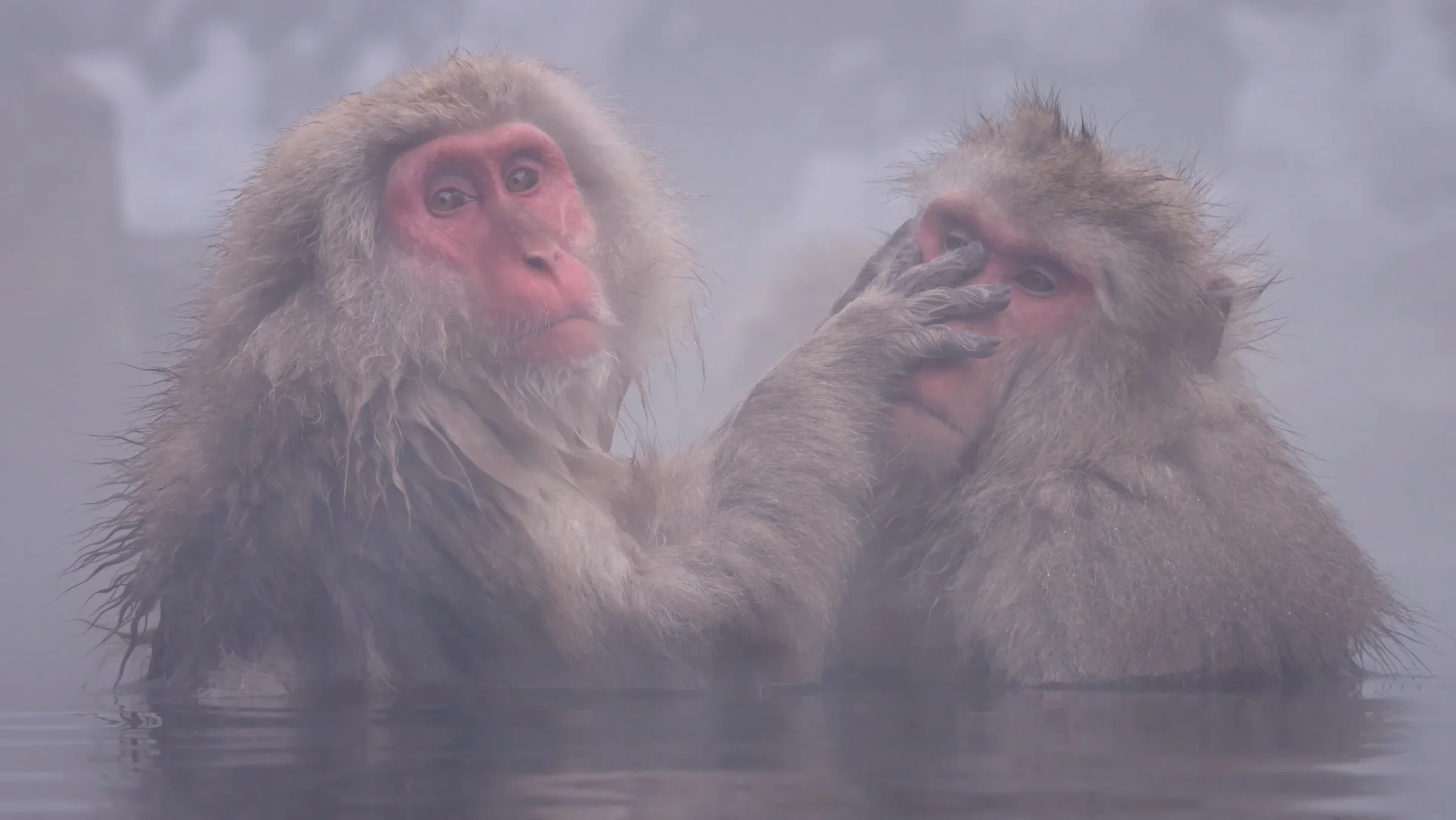
Best Time to See Snow Monkeys
January and February for snow and steam. June for newborns. The monkeys are there every day of the year.
Plan Your Visit
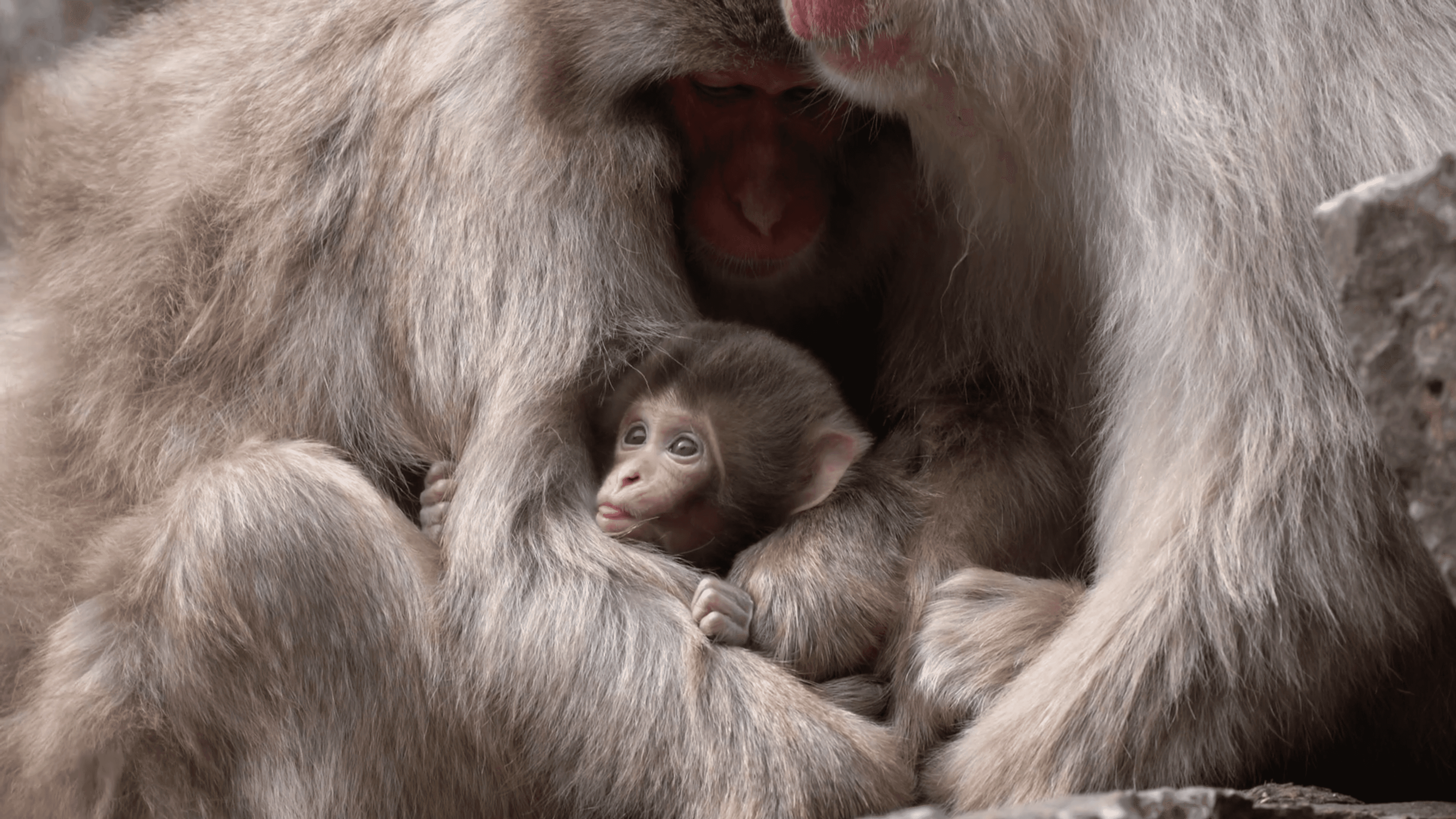
Do Monkeys Appear Every Day?
The troop is wild and free to leave. It almost never does. Sixty years of habit keeps it at the pool.
Plan Your Visit
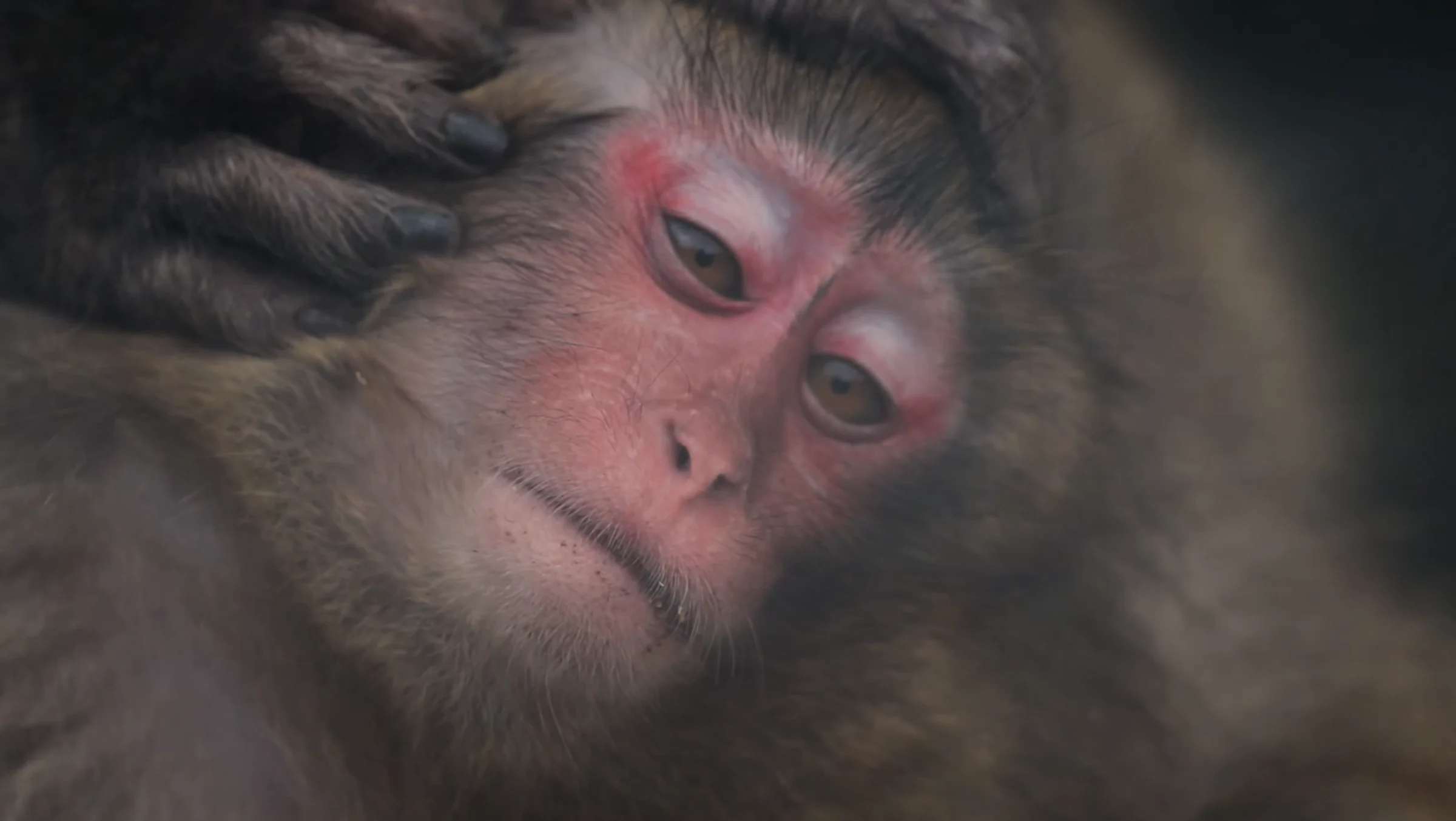
Photography Tips
The monkeys are close and unbothered. The enemies are steam, cold batteries, fogged glass, and the crowd.