The Route at a Glance
≈ 2.5–3.5 hrs end to end
1
Step 1
Leave from Kyoto Station
35–55m
Kyoto is on the Tokaido Shinkansen, so the first leg is short. Nagoya is thirty-five minutes on a Nozomi and around fifty-five on a Hikari.
Full details
Japan Rail Pass holders should take the Hikari, since the Nozomi requires a supplement. Kyoto Station is large and the shinkansen platforms sit at the south end, so allow more time to reach them than the timetable suggests, particularly during cherry blossom and autumn colour seasons when the concourse moves at a crawl.
2

Step 2
Nagoya to Nagano on the Shinano
~3h
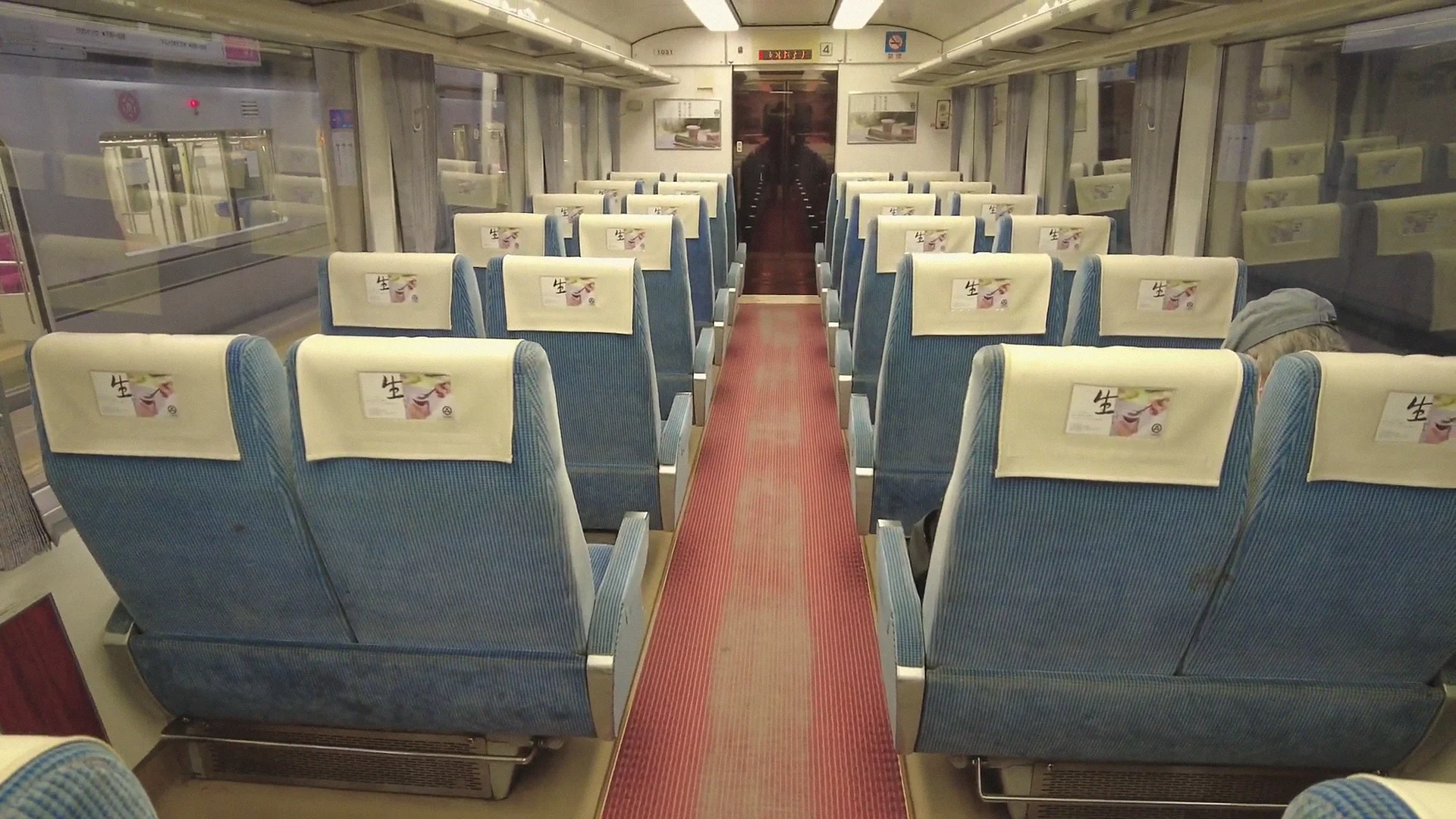
Change at Nagoya for the Limited Express Shinano, direct to Nagano in about three hours and running roughly hourly.
Full details
Covered by the Japan Rail Pass in ordinary cars. The route runs through the Kiso valley and Matsumoto and is the most scenic part of the journey. Transfer time at Nagoya varies from twenty-five minutes to an hour, so check your specific pairing rather than assuming a quick change.
3
Step 3
The Alternative: Via Tsuruga
~3.5h total
The Thunderbird runs from Kyoto to Tsuruga in about fifty minutes, connecting to the Hokuriku Shinkansen for Nagano. The total is close to the Nagoya route.
Full details
Worth taking if you hold a Japan Rail Pass, because every leg is covered with no Nozomi supplement. It runs less frequently than the hourly Shinano. As from Osaka, the Thunderbird now terminates at Tsuruga rather than Kanazawa following the Hokuriku Shinkansen extension in March 2024, so ignore older guides showing a Kanazawa change.
4
Step 4
Nagano to Yudanaka
45–70m
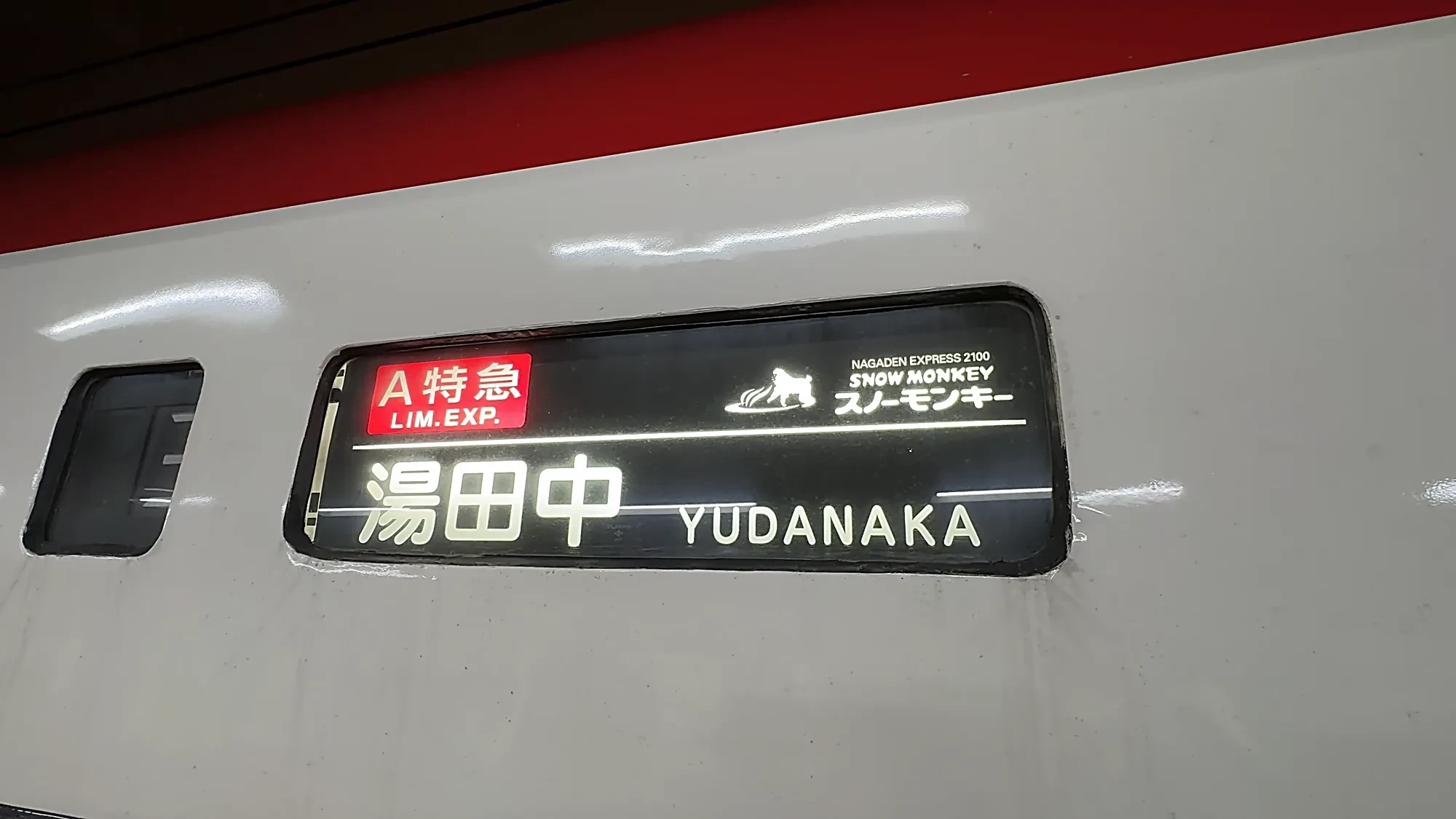
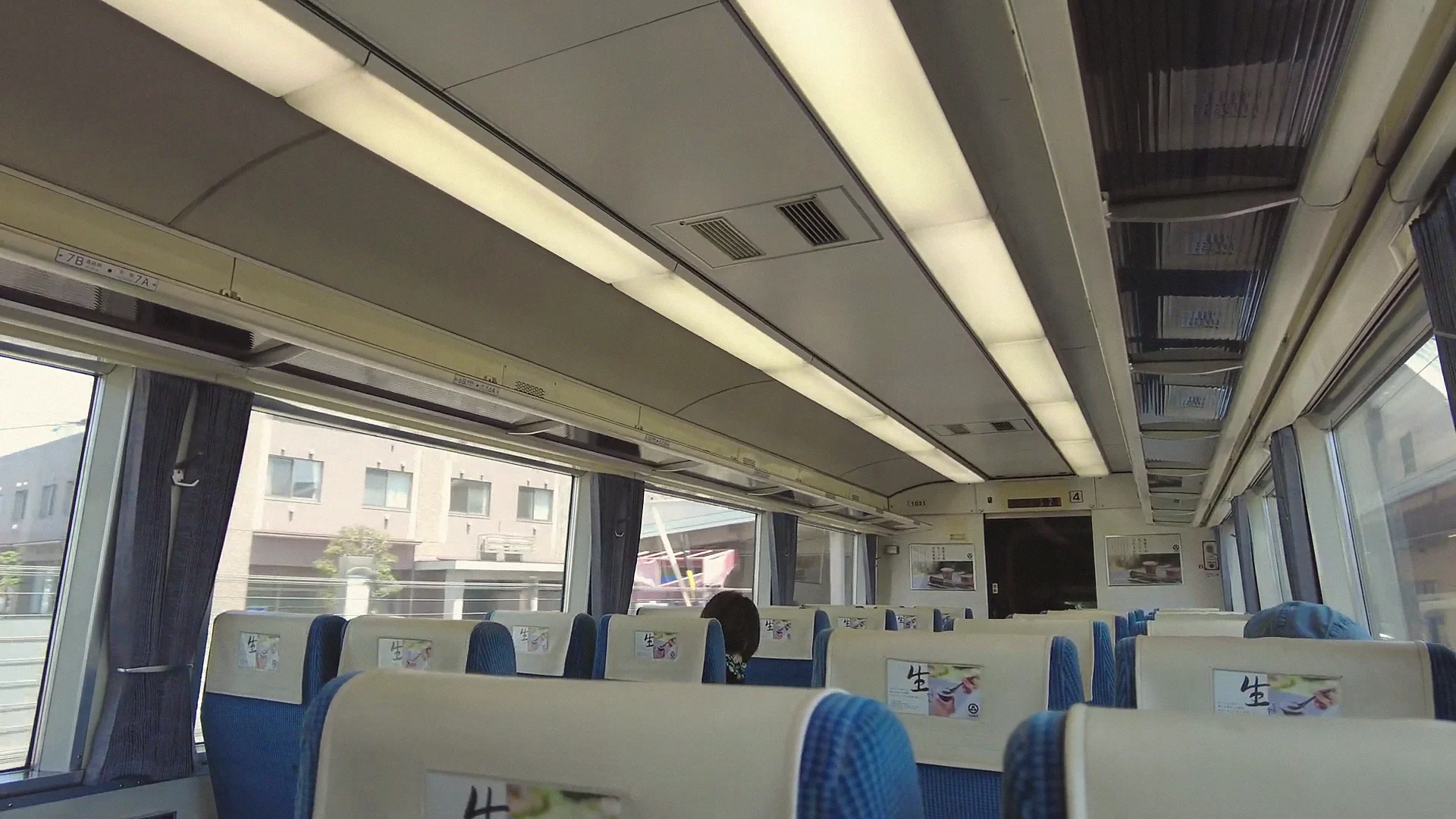
From Nagano Station, transfer to the Nagano Dentetsu (Nagaden) line to Yudanaka, the last stop, in roughly 45 to 70 minutes depending on the service.
Full details
The Nagaden platform sits directly beneath JR Nagano, signposted in English from the East (Zenko-ji) exit. It is a private railway, so the Japan Rail Pass does not cover it and you buy a ticket at the station. Limited express services are faster for a small surcharge; local trains stop more often and cost less. Neither requires a reservation. A seasonal express bus also runs direct from Nagano to the trailhead through the winter months, which skips this transfer entirely when it is running.
5
Step 5
Yudanaka to the Trailhead
10–15m
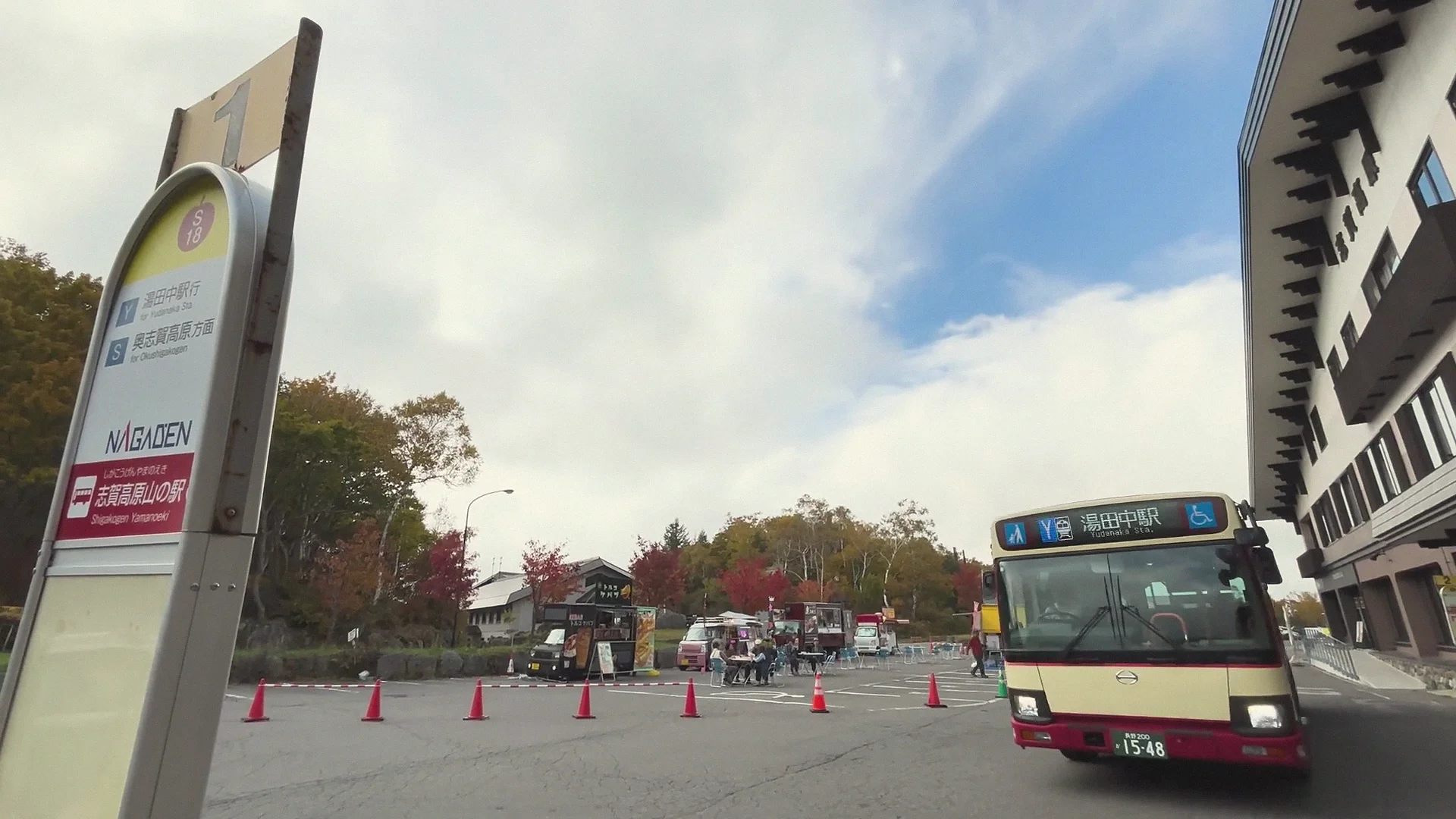
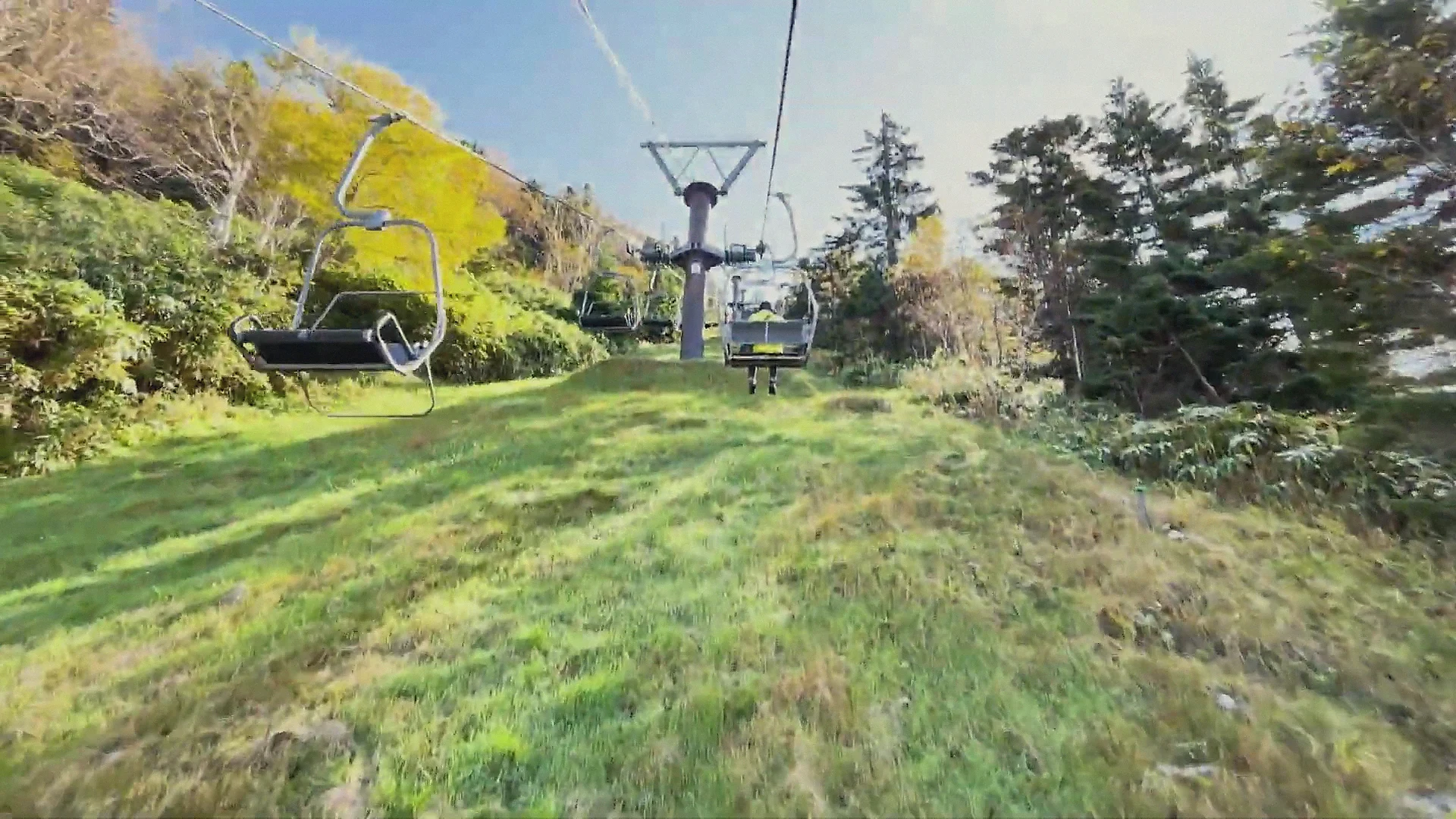
A local bus or short taxi covers the final 10 to 15 minutes from Yudanaka to the Kanbayashi trailhead, where a 1.6 km (about 1 mi) forest path leads to the park entrance.
Full details
Buses meet most train arrivals. A taxi covers the same ground quickly and is worth splitting between three or four people; seasonal fares vary, so check the posted price rather than budgeting a fixed figure. The walk takes most people 30 to 40 minutes at an unhurried pace. In winter the path is packed snow and ice the whole way, so proper boots matter more than anything else you bring.
6
Step 6
Pair It Properly
Kyoto travellers are usually mid-itinerary rather than starting fresh, and that changes the advice.
Full details
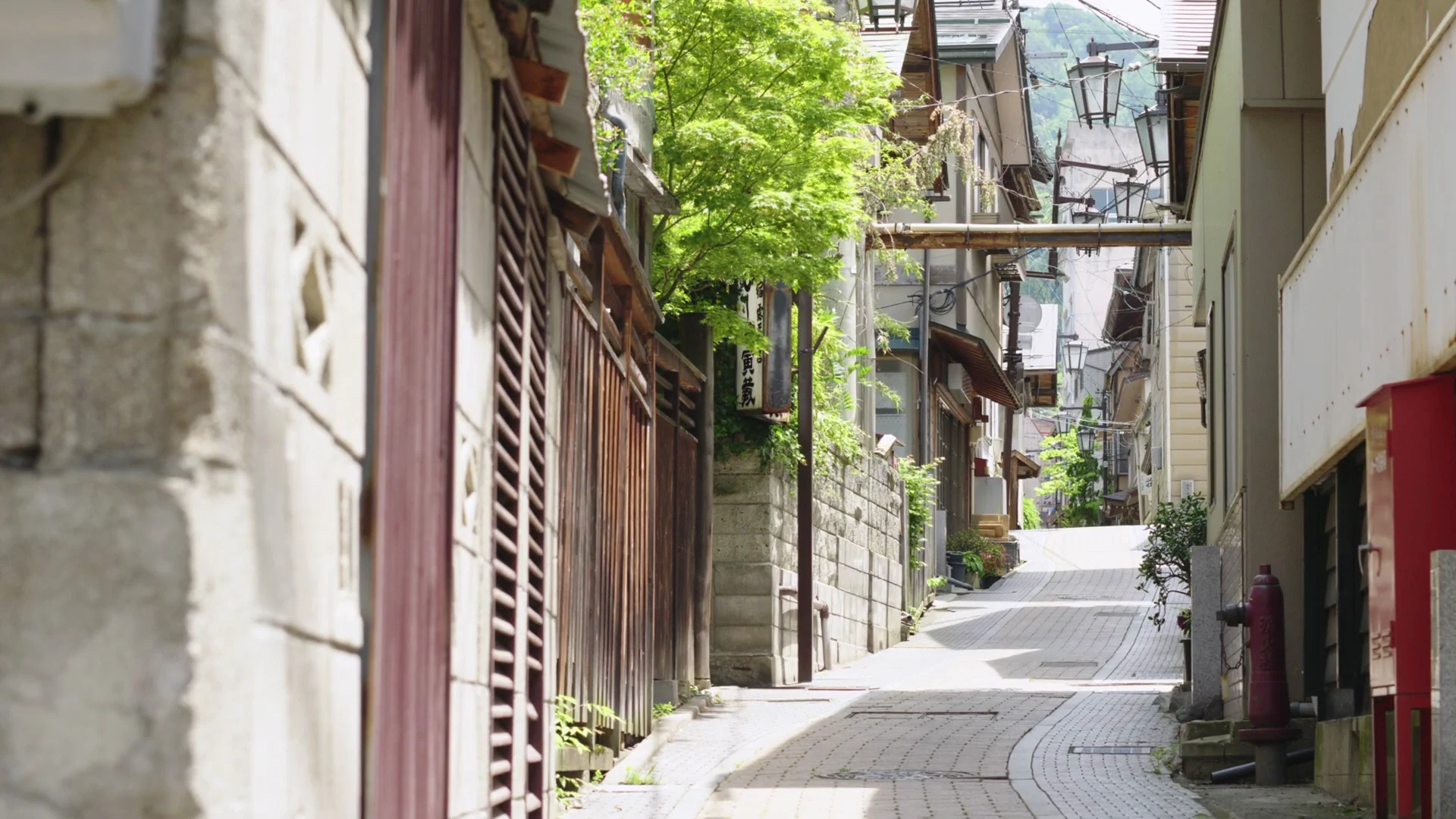
Rather than treating the monkeys as a there-and-back detour from Kyoto, the journey works far better as the connection between two halves of a trip. The Shinano passes directly through Matsumoto, with its castle and its access to the Japan Alps, which makes an obvious overnight stop in either direction. Framed that way the four hours stop being a cost and start being the route itself. Staying in Shibu or Yudanaka the night before puts you at the park for opening.

ARRIVAL
Jigokudani Yaen-koen (Snow Monkey Park)
6845 Hirao, Yamanouchi, Shimotakai District, Nagano 381-0401, Japan
Good to know
The Hikari is Pass-covered; the Nozomi needs a supplement
The Pass does not cover the Nagano Dentetsu on the final leg
Kyoto Station is large, so allow extra time to reach the shinkansen platforms
The Shinano passes through Matsumoto, a natural overnight in either direction
Check the last departures from Yudanaka before attempting a same-day return
Winter: packed snow and ice on the trail, so bring proper boots
FAQ
Frequently Asked Questions
Quick answers on timing, the Japan Rail Pass, alternate routes, and where to stay.
Related guides

The Park and Monkeys
Snow Monkey Park
Wild macaques bathe in a hot spring in the Nagano mountains. Nowhere else on earth do monkeys do this.

Plan Your Visit
Best Time to See Snow Monkeys
January and February for snow and steam. June for newborns. The monkeys are there every day of the year.

Plan Your Visit
1-Day Snow Monkey Itinerary
It works, but only with discipline. The 8:00 AM shinkansen, two hours with the monkeys, home by dinner.
Plan Your Visit
What to Wear in Winter
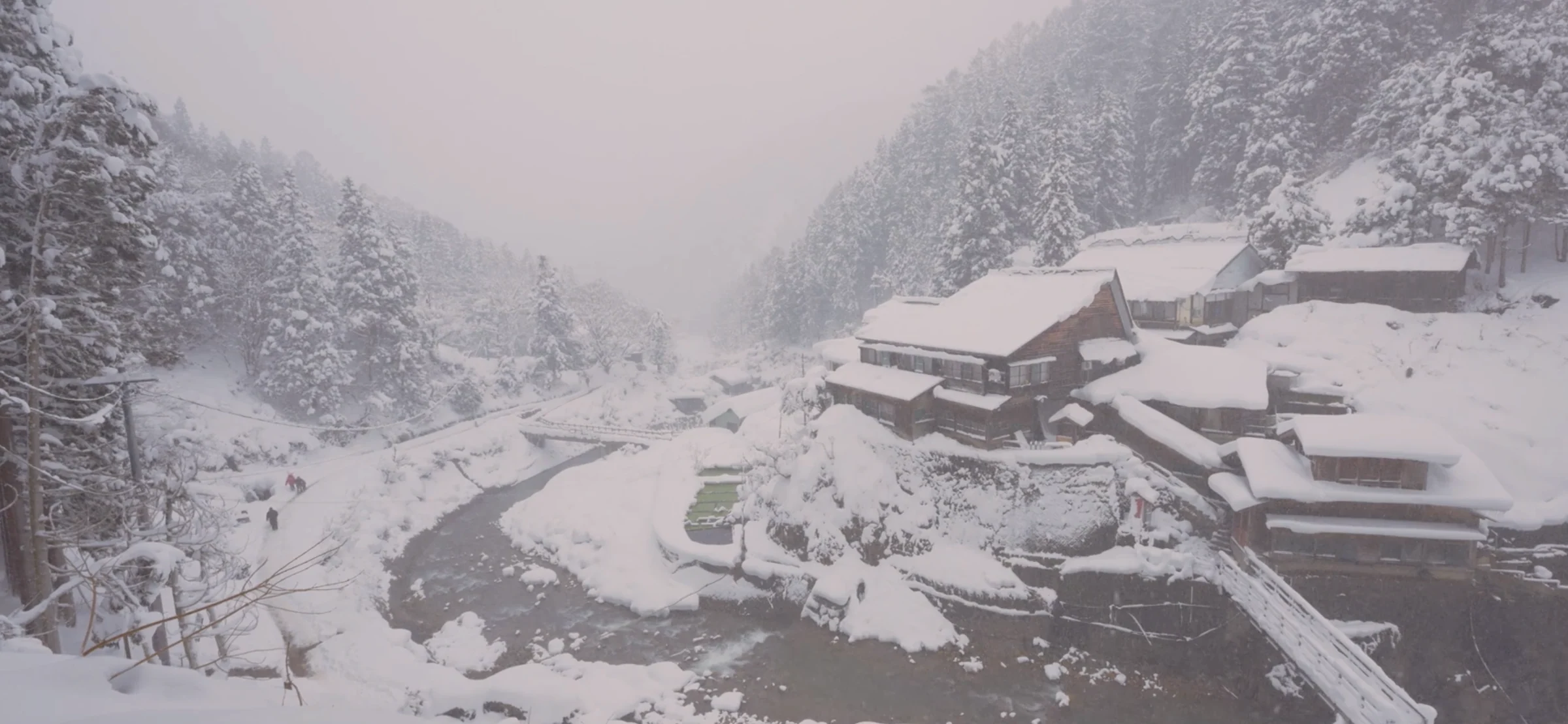
The valley drops to −15 °C (5 °F) and the trail is packed ice for a mile. Boots matter more than your coat.

Verified by The Japan Onsen Society
Verified July 7–16, 2026
Route compiled and verified by The Japan Onsen Society, August 2026. No single operator publishes an end-to-end route from western Japan to Jigokudani, so the itinerary below is assembled from the operators of each individual leg and checked against current timetables.
1. JR Central (JR東海) — Tokaido Shinkansen and the Limited Express Shinano.
2. JR West (JR西日本) — Hokuriku Shinkansen and the Limited Express Thunderbird.
3. 長野電鉄 (Nagano Electric Railway) — the Nagano to Yudanaka leg and fares.
4. Go! NAGANO — Nagano Prefecture official tourism.
5. 地獄谷野猿公苑 — park hours, admission and access.